

Aluminium Finishing in Selangor: Methods, Benefits & Provider Guide

What is aluminium finishing and why is it important in Selangor?
Aluminium finishing refers to surface treatments like anodizing, powder coating, and chemical conversion that boost corrosion resistance, durability, and appearance of aluminium parts. In Selangor’s humid tropical climate, these finishes protect components from moisture, extend service life, and meet local standards for automotive, construction, and electronics industries.
Which aluminium finishing methods are most commonly used in Malaysia?
In Malaysia, the most common aluminium finishing methods are sulphuric acid anodizing, hard coat anodizing, and powder coating (epoxy, polyester, hybrid). Chromate‑free conversion coatings are also widely used as pretreatments. These techniques balance performance, cost, and compliance with local VOC and heavy‑metal regulations.
How does sulphuric acid anodizing differ from hard coat anodizing?
Sulphuric acid anodizing creates a porous oxide layer 5–25 µm thick, suited for dyeing and moderate wear resistance. Hard coat anodizing uses lower temperatures and higher voltages to produce a denser, thicker coating 25–100 µm, delivering superior abrasion resistance, electrical insulation, and load‑bearing capacity for engineering parts.
What are the key steps in a typical powder coating line for aluminium?
A typical powder coating line for aluminium starts with alkaline cleaning and rinsing, followed by a chromate‑free conversion coating and drying. Parts are then electrostatically sprayed with thermoplastic or thermoset powder, cured in a convection oven at 180–200 °C for 10–15 minutes, cooled, and inspected for thickness, adhesion, and appearance.
How does the anodizing process work for aluminium components?
The anodizing process immerses aluminium in an acidic electrolyte bath and applies a direct current, causing the metal surface to oxidize and form a porous aluminium oxide layer. After oxidation, the part is cleaned, optionally dyed, and sealed in hot water or nickel‑acetate to lock in colour and improve corrosion resistance.
What parameters control oxide thickness and colour in anodizing?
Oxide thickness depends on voltage, current density, bath temperature, and immersion time; higher voltage, lower temperature, and longer time produce thicker layers. Colour results from dye absorption into the porous oxide or interference effects in thick hard coats, with sealants influencing hue stability and UV resistance.
What are common post‑anodizing sealing methods and why are they necessary?
Post‑anodizing sealing closes the porous oxide to prevent corrosion and dye leaching. Common methods include hot deionized water (95–100 °C), nickel‑acetate seal, and PTFE‑based seals. Each trades off hardness, chemical resistance, and environmental impact, allowing manufacturers to match seal performance to end‑use requirements.
What are the advantages of powder coating aluminium in Selangor?
Powder coating delivers a thick, uniform film that resists chipping, fading, and chemical attack while offering virtually unlimited colour choices and special effects such as metallics or textures. In Selangor’s humid climate, the coating blocks moisture ingress, reduces maintenance costs, and extends product lifespan for outdoor architectural and automotive applications.
How does powder coating compare to liquid paint in terms of environmental impact?
Powder coating emits negligible VOCs because it contains no solvents, and overspray can be reclaimed and reused, achieving transfer efficiencies above 90 %. Liquid paints release volatile organic compounds during application and curing, requiring ventilation and waste treatment, making powder coating a greener option that aligns with Malaysia’s stringent air‑quality regulations.
What thickness range is typical for decorative versus functional powder coatings on aluminium?
Decorative powder coatings on aluminium usually range from 40–80 µm, providing sufficient colour uniformity and gloss while keeping weight low. Functional coatings that demand higher chemical or abrasion resistance are applied at 80–150 µm, sometimes exceeding 200 µm for severe environments such as marine or industrial chemical exposure.
How to choose the right aluminium finishing service provider in Selangor?
Choose a provider with proven expertise in the required finish, relevant certifications such as ISO 9001, ISO 14001, Qualicoat or Qualanod, and transparent quoting with clear lead times. Visiting their Selangor facility to inspect pretreatment lines, curing ovens, and quality‑control labs ensures they can meet your technical and environmental requirements.
Which certifications should a reputable aluminium finisher in Malaysia possess?
Look for ISO 9001 for quality management, ISO 14001 for environmental stewardship, and industry‑specific endorsements such as Qualicoat for powder coating or Qualanod for anodizing. Additional credentials like OSHA compliance, SIRIM QAS International, or Malaysian Green Technology endorsement signal adherence to safety, standards, and sustainability practices.
What questions should you ask when requesting a quote for aluminium finishing?
Ask about the pretreatment process, coating thickness guarantees, curing temperature and time, colour matching capabilities, and warranty terms. Also inquire about lead‑time flexibility, packaging standards to prevent transit damage, and whether the provider offers in‑house testing for adhesion, hardness, and corrosion resistance to validate performance before shipment.
What cost factors affect aluminium finishing projects in Malaysia?
Cost drivers include part size and geometry (affecting racking and pretreatment time), finish type (anodizing generally cheaper than hard coat or specialty powders), surface area to be coated, required thickness, colour customization, and volume discounts. Additional expenses may arise from waste treatment, certification fees, and logistics for delivery to Selangor‑based customers.
How does part complexity influence pricing for anodizing versus powder coating?
Complex geometries with deep recesses or tight tolerances increase masking and fixturing labour, raising costs more for anodizing because the electrolyte must reach all surfaces uniformly. Powder coating can tolerate slight shadowing via electrostatic wrap‑around, but severe undercuts still require extra labour, making both processes sensitive to design for manufacturability.
Are there any hidden costs associated with waste treatment or regulatory compliance?
Yes. Facilities must treat acidic rinse waters, recover metal‑laden sludge, and manage VOC emissions from powder curing ovens. These processes incur operational costs for chemical neutralisation, filtration, and monitoring equipment, and non‑compliance can lead to fines or forced shutdowns, making environmental management a significant hidden expense in finishing operations.
What quality standards and certifications should aluminium finishers meet?
Finishers should comply with ISO 9001 for quality management, ISO 14001 for environmental systems, and sector‑specific standards such as Qualicoat (powder coating), Qualanod (anodizing), and ASTM B244 for anodic oxide thickness. Adherence ensures consistent performance, traceability, and acceptance by OEMs operating in Selangor’s competitive manufacturing landscape.
How does ISO 9001 certification benefit a finishing operation?
ISO 9001 provides a framework for documenting procedures, conducting internal audits, and implementing corrective actions, which reduces variability in coating thickness, adhesion, and appearance. Certification also signals to customers that the operation follows internationally recognised quality principles, enhancing trust and opening doors to contracts with multinational suppliers.
What role does Qualicoat play in powder coating quality assurance?
Qualicoat sets rigorous specifications for pretreatment, powder application, curing, and film properties such as adhesion, gloss, and corrosion resistance. Manufacturers that earn the Qualicoat licence undergo regular audits and testing, guaranteeing that their powder‑coated aluminium meets European‑level durability and aesthetic standards accepted globally.
Frequently Asked Questions (FAQs)
What is the typical lead time for anodizing aluminium parts in Selangor?
Lead times for anodizing aluminium parts in Selangor typically range from 5 to 10 business days, depending on part size, colour selection, and current workshop load. This timeframe includes pretreatment, anodizing, dyeing (if applicable), sealing, and final inspection.
Can powder coating be applied to extruded aluminium profiles with complex shapes?
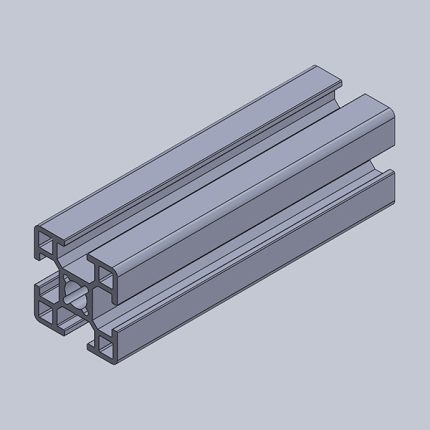
Yes, powder coating can be applied to extruded aluminium profiles with complex shapes, although deep recesses may require special fixturing to ensure uniform coverage. Proper pretreatment and electrostatic spray parameters help achieve consistent film thickness across intricate geometries.
How does the cost of hard coat anodizing compare to standard sulphuric anodizing?
Hard coat anodizing is generally 30‑50 % more expensive than standard sulphuric anodizing due to lower processing temperatures, higher voltages, and longer cycle times. The increased cost reflects the thicker, denser oxide layer needed for engineering applications.
Is chromate‑free pretreatment as effective as traditional chromate-based methods?
Modern chromate‑free pretreatments provide corrosion resistance and adhesion comparable to traditional chromate‑based methods while meeting stricter environmental regulations. They are widely accepted in industries requiring eco‑friendly finishing solutions.
What warranty do most finishing providers offer on coated aluminium products?
Most finishing providers offer warranties ranging from 12 to 24 months against defects such as peeling, fading, or corrosion under normal use conditions. Warranty terms typically cover workmanship and coating integrity but exclude damage from improper handling or extreme environments.
How can I verify the thickness of an anodized layer on my part?
The thickness of an anodized layer is measured using non‑destructive eddy‑current or micrometre gauges, with results reported in microns according to ASTM B244. These measurements are taken at multiple points on the part to ensure uniformity and compliance with specifications.
Are there any restrictions on using powder coated aluminium in food‑contact applications?
Powder coating formulations intended for food‑contact applications must be FDA‑approved or comply with EU Regulation 10/2011 for food‑contact safety; always confirm compliance with the provider. Using non‑certified powders can pose contamination risks and is not recommended for direct food contact.
Does Selangor offer any incentives for eco‑friendly finishing processes?
Some local agencies in Selangor provide tax incentives or grants for companies adopting low‑VOC, waste‑reducing technologies such as powder coating or chromate‑free pretreatments. These incentives aim to encourage eco‑friendly manufacturing practices and reduce environmental impact.
What is the difference between matte and gloss powder coat finishes?
Matte finishes contain additives that diffuse light, reducing gloss and producing a soft, non‑reflective appearance. Gloss finishes have smoother surfaces that reflect more light, resulting in a shiny, reflective look.
How often should finished aluminium components be inspected for maintenance?
Outdoor finished aluminium components should be inspected annually for signs of coating damage, corrosion, or sealant degradation, with touch‑up performed as needed. Indoor parts may require less frequent checks, but regular visual inspections help maintain performance and appearance.