

Aluminium Export in Selangor, Malaysia: Guide for Commercial Applications

Aluminium Export in Selangor, Malaysia: Guide for Commercial Applications
What is aluminium export and why does it matter for Selangor businesses?
Aluminium export involves shipping primary or semi‑finished aluminium from Selangor manufacturers to overseas buyers, generating revenue, jobs, and strengthening Malaysia’s position among global suppliers. It boosts Selangor’s GDP, creates skilled employment, and supplies key industries such as construction and automotive worldwide.
- Increases foreign exchange earnings for the region.
- Encourages technological upgrading in local smelting and fabrication plants.
- Supports ancillary services such as logistics, customs brokerage, and packaging.
How does Selangor’s aluminium export supply chain work?
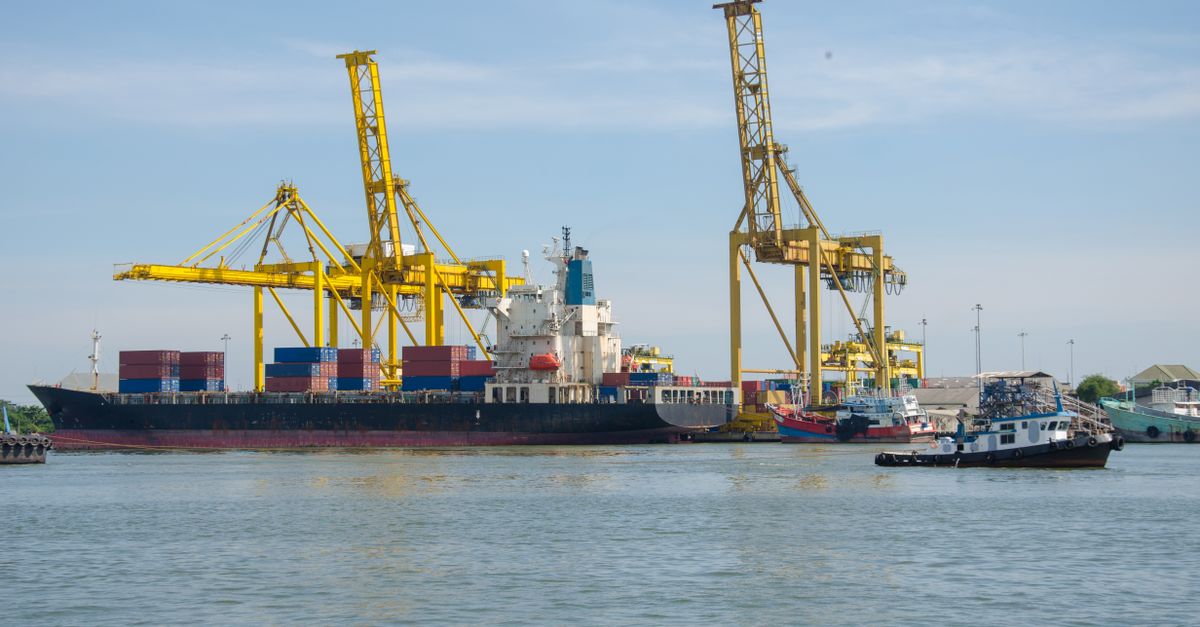
The supply chain begins with bauxite mining and refining to alumina, smelting into ingots, then rolling or extruding into sheets, plates or profiles at Selangor plants, followed by quality inspection, seaworthy packaging, customs clearance at Port Klang, and loading onto container vessels for global shipment.
- Raw material procurement – Bauxite is mined and refined to alumina.
- Smelting – Alumina is reduced to aluminium ingots using electricity.
- Fabrication – Ingots are rolled into sheets or extruded into profiles at Selangor factories.
- Quality inspection – Products are tested for thickness, alloy composition, and surface finish.
- Packaging & documentation – Goods are packed in seaworthy containers, and export documents are prepared.
- Customs clearance – At Port Klang, customs officers verify paperwork and release cargo.
- Loading & shipment – Containers are loaded onto vessels for transport to destination ports.
Which countries are the top destinations for Malaysian aluminium exports?
According to trade data, Malaysia’s top aluminium importers are China, India, Japan, South Korea and the United States, which together absorb most Selangor‑produced metal due to their manufacturing demand, trade agreements and proximity to major shipping lanes. These markets also value the consistent quality and alloy specifications offered by Selangor fabricators.
- China – Largest buyer, driven by construction and automotive sectors.
- India – Growing demand for aluminium in packaging and electrical applications.
- Japan & South Korea – High‑tech industries require precision‑rolled sheets.
- United States – Aerospace and defence sectors import specialised alloys.
What services does Kamco Aluminium offer to support exporters?
Kamco Aluminium provides custom alloy development, precision extrusion with tight tolerances, surface treatments such as anodising and powder coating, and full logistics coordination including documentation assistance and consolidated freight solutions via Port Klang. Their export support team helps manufacturers meet international standards, manage customs paperwork, and arrange timely shipment to global buyers.
- Custom alloy development tailored to client specifications.
- In‑house extrusion presses with tolerances down to ±0.1 mm.
- Anodising, powder coating, and brushing for corrosion resistance.
- Consolidated freight solutions and export paperwork assistance.
How can businesses in Selangor start exporting aluminium?
To begin exporting, Selangor firms must verify a reliable supplier, obtain the required export licence from MITI, confirm product compliance with standards such as ASTM B209 or EN 573‑3, choose FOB or CIF terms, prepare commercial documents, submit them via Dagang Net, and track the shipment to delivery.
- Supplier verification – Visit mills, request mill test reports, and confirm capacity.
- Licensing – Apply for Customs Export Licence and any industry‑specific permits.
- Compliance check – Verify that alloys meet standards such as ASTM B209 or EN 573‑3.
- Freight arrangement – Choose FOB or CIF terms and book space with a shipping line.
- Documentation – Prepare commercial invoice, packing list, certificate of origin, and bill of lading.
- Customs submission – Submit documents electronically via Dagang Net portal.
- Tracking & delivery – Monitor shipment status and confirm receipt with the buyer.
Frequently Asked Questions
What are the main aluminium products exported from Selangor?
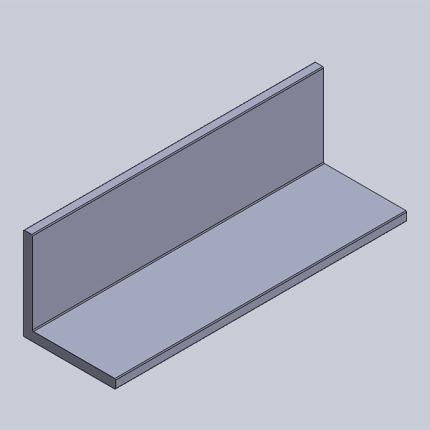
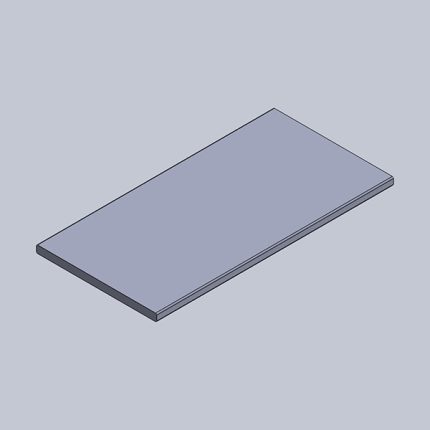
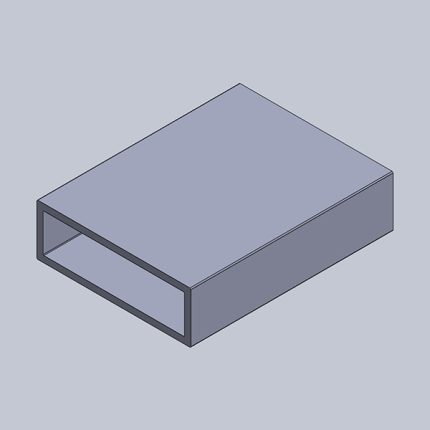
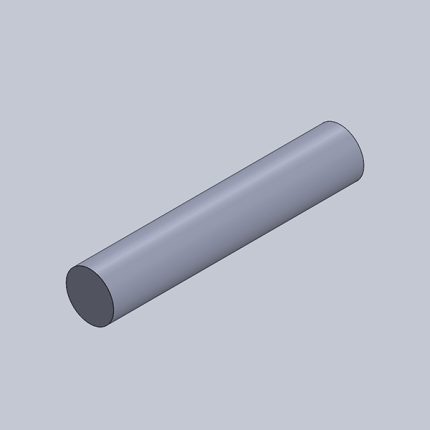
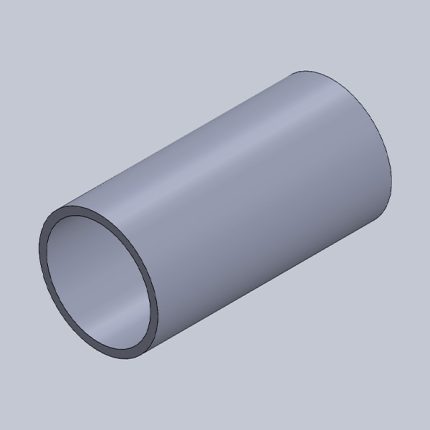
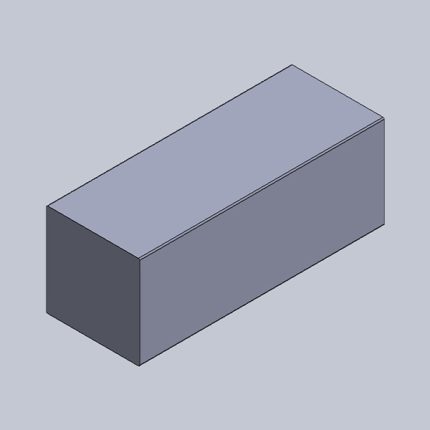
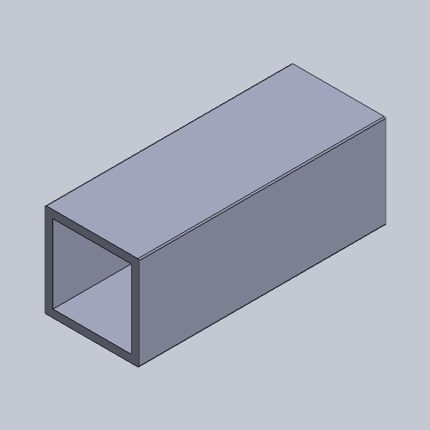
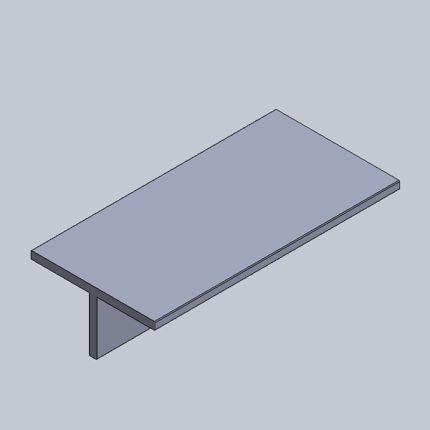
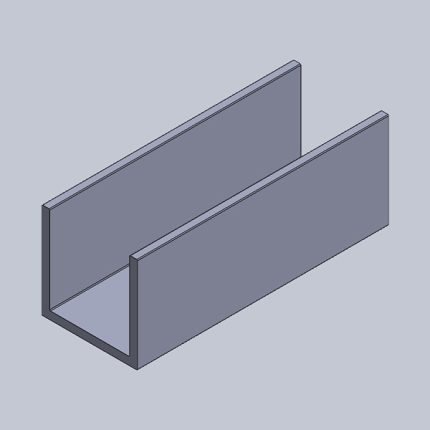
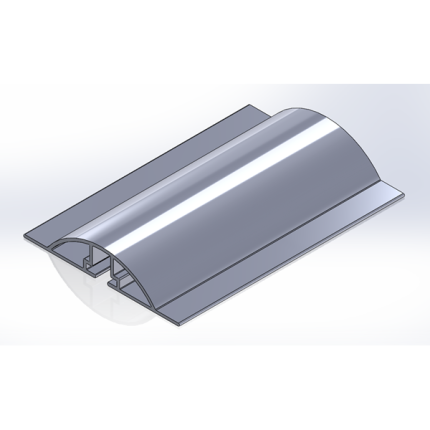
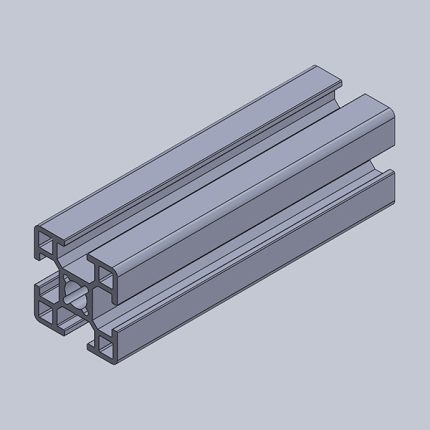
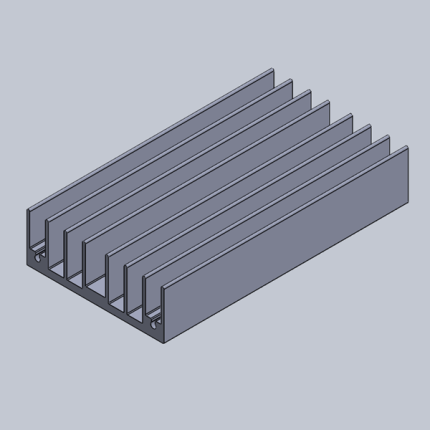
Selangor mainly exports aluminium sheets, plates, extruded profiles and ingots. These products serve sectors such as construction, automotive and packaging.
Which port handles most of Selangor’s aluminium exports?
Port Klang is the primary gateway, handling over 80 % of the state’s aluminium cargo. Its deep‑water berths and extensive customs facilities make it ideal for bulk metal shipments.
Do exporters need to pay any export duties on aluminium?
Malaysia generally does not impose export duties on raw aluminium. However, value‑added products may be subject to duties in the destination country.
How long does it take for aluminium shipments to reach Asian buyers?
Typical transit times range from 5 to 10 days for ports in China, Japan or South Korea. Actual duration depends on vessel schedules, weather and port congestion.
Can small‑scale manufacturers export aluminium through Kamco Aluminium?
Yes, Kamco Aluminium works with both large producers and small‑scale fabricators. It offers consolidating services to achieve economical shipment sizes for exporters of any scale.