

Aluminium Noise Barriers in Selangor: Benefits, Installation & Local Projects

Aluminium Noise Barriers in Selangor: Benefits, Installation & Local Projects
Aluminium noise barriers are increasingly chosen for infrastructure projects across Selangor due to their lightweight durability and excellent acoustic performance. This guide explains what they are, why they suit the local environment, how they are installed, and which regulations apply.
What is an aluminium noise barrier and how does it work?
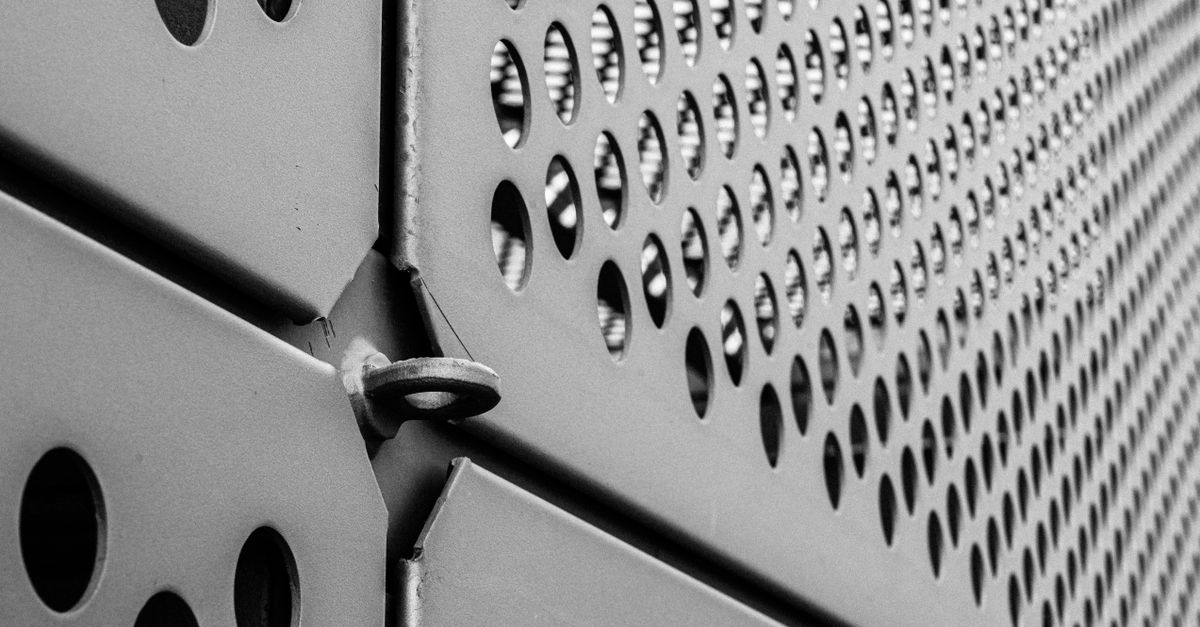
An aluminium noise barrier is a lightweight panel system made from extruded aluminium alloys, featuring perforated faces backed with sound‑absorbent material that reflects and absorbs traffic noise. In Selangor’s humid climate, its natural oxide layer resists corrosion, ensuring durable, low‑maintenance performance for highways and industrial sites.
According to Wikipedia, noise barriers are effective tools for mitigating transportation noise in urban settings.
- Extruded aluminium alloy panels
- Perforated face for sound wave entry
- Sound‑absorbent backing (e.g., mineral wool or foam)
- Weather‑proof sealants at joints
Why choose aluminium noise barriers over concrete or steel in Selangor?
Aluminium barriers offer a superior strength‑to‑weight ratio, easing transport and installation on Selangor’s congested roads. Their natural oxide layer resists tropical humidity and salty air, while recyclability supports green‑building goals. Acoustic performance can be tuned via perforation patterns to meet required decibel reductions.
- Lightweight – reduces foundation size and transport costs
- Corrosion‑resistant – minimal maintenance in tropical climate
- Recyclable – aligns with Malaysia’s green‑building initiatives
- Customisable acoustics – perforation patterns adjust absorption/reflection
- Faster installation – panels bolted to pre‑cast footings
What are the installation steps for an aluminium noise barrier in Selangor?
Installation begins with a site survey and foundation design, followed by preparing concrete footings or driven piles. Aluminium panels are then delivered, aligned, bolted to the framework, and sealed at joints. Each step ensures structural stability, wind load resistance, and acoustic integrity for Selangor’s highway environments.
- Conduct site survey and geotechnical testing
- Design foundation (concrete footings or steel piles) based on load calculations
- Prepare ground: clear vegetation, mark alignment
- Install foundations and allow curing
- Deliver aluminium panels to site
- Align panels and bolt to framework
- Apply weather‑proof sealants to all joints
- Perform final inspection and acoustic testing
How do you prepare the site and foundations?
Site preparation involves clearing vegetation, marking the barrier alignment, and conducting geotechnical tests to determine soil bearing capacity. Foundations are then built using reinforced concrete footings or steel piles spaced per load calculations, ensuring the barrier can withstand wind, seismic, and dynamic vehicle forces in Selangor.
- Clear vegetation and debris from the corridor
- Mark exact barrier line using survey stakes
- Perform soil bearing capacity tests (e.g., SPT, CPT)
- Design footing dimensions or pile depth per structural calculations
- Pour reinforced concrete footings or drive steel piles
- Allow curing time before panel installation
What local regulations and standards apply to noise barriers in Selangor, Malaysia?
In Selangor, noise barrier projects must comply with the Malaysian Department of Environment’s Environmental Quality Act, local authority traffic‑noise guidelines, and MS ISO 14001 for environmental management. Barriers are required to achieve a minimum Rw of 28 dB in residential zones and 32 dB near schools or hospitals, with post‑installation acoustic testing to verify performance.
- Environmental Quality Act 1974 (DOE) – sets permissible noise levels
- Local Authority (Majlis Perbandaran) guidelines – traffic‑noise limits for residential, school, hospital zones
- MS ISO 14001 – environmental management system compliance
- Acoustic performance criteria: Rw ≥ 28 dB (residential), Rw ≥ 32 dB (sensitive areas)
- Post‑installation testing: ISO 10848‑2 or similar field measurement
Where have aluminium noise barriers been successfully deployed in Selangor?
Aluminium noise barriers have been installed along the KL‑Seremban Highway (E2) near Kajang, the Federal Route 1 stretch through Klang, and the upgraded LDP (Lebuhraya Damansara‑Puchong) section bordering Subang Jaya. These projects show measured noise reductions of 8‑12 dB, improving residents’ quality of life and meeting DOE standards.
- KL‑Seremban Highway (E2) – Kajang corridor, 8 dB reduction
- Federal Route 1 – Klang urban stretch, 10 dB reduction
- LDP (Lebuhraya Damansara‑Puchong) – Subang Jaya border, 12 dB reduction
Frequently Asked Questions (FAQs)
This FAQ section addresses the most common queries about aluminium noise barriers in Selangor, covering lifespan, cost, aesthetics, lightning protection, and maintenance. Concise answers help homeowners, contractors, and officials quickly understand key considerations for selecting and maintaining these acoustic solutions.
How long does an aluminium noise barrier typically last in Selangor’s climate?
With proper coating and routine maintenance, an aluminium noise barrier in Selangor’s tropical climate can last 25‑30 years before significant corrosion or acoustic degradation occurs. The natural oxide layer protects against humidity, while periodic inspections ensure long‑term performance and compliance with local noise‑reduction standards.
Are aluminium barriers more expensive than concrete options?
Although the upfront material cost of aluminium exceeds plain concrete, reduced foundation work, faster installation, and lower long‑term maintenance often make the total lifecycle cost comparable or lower. When factoring in transport savings on Selangor’s congested roads and recyclability benefits, aluminium frequently offers better overall value.
Can aluminium noise barriers be customized for aesthetic requirements?
Yes, aluminium panels can be powder‑coated in any RAL colour, printed with custom graphics, or fabricated with varied profiles and perforations to match urban design schemes. These finishes preserve the barrier’s acoustic function while providing visual integration with Selangor’s landscaping and architectural themes.
Do aluminium barriers require special grounding for lightning protection?
Because aluminium is conductive, installations typically include grounding straps or lightning arrestors connected to the barrier framework and foundation. This safely dissipates electrical charges from lightning strikes, especially important for open‑area highway installations in Selangor where exposure to storms is frequent.
What maintenance is needed to preserve acoustic performance?
Periodic cleaning of perforated faces removes dust and debris that can clog absorptive material. Inspecting sealants for cracking, checking fastener torque every 12‑24 months, and touching up any coating damage help maintain sound‑absorption and reflection properties, ensuring the barrier meets its rated Rw over its service life.