

Aluminium Manufacturer in Selangor: Services, Processes & Market Insights

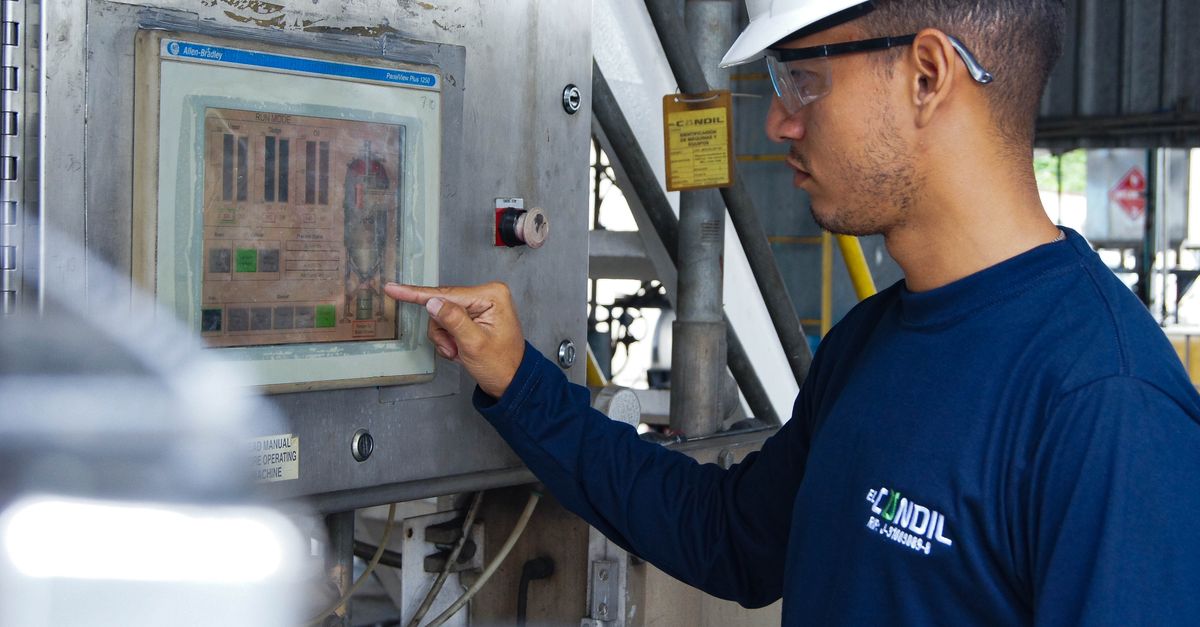
Selangor’s aluminium industry plays a pivotal role in Malaysia’s manufacturing sector, leveraging its proximity to Port Klang and a skilled workforce to deliver high‑quality products across multiple industries.
What core processes define aluminium manufacturing in Selangor, Malaysia?
Selangor’s aluminium manufacturing covers the full value chain—from bauxite refining and alumina production to casting, extrusion, and finishing—supplying high‑strength, lightweight alloys for construction, automotive, and electronics sectors while integrating automation, strict quality control, and sustainable recycling to meet both local demand and export standards.
The region’s strategic location near Port Klang provides seamless access to imported raw bauxite and export markets, while a skilled workforce and supportive industrial policies enable manufacturers to scale production efficiently. Leading plants operate modern rotary kilns, Hall‑Héroult smelters, and state‑of‑the‑art extrusion presses that adhere to ISO 9001 and ISO 14001 standards.
How is raw bauxite converted into alumina via the Bayer process?
The Bayer process digests crushed bauxite in hot sodium hydroxide solution, dissolving aluminium oxide while leaving impurities as red mud; the solution is then cooled to precipitate aluminium hydroxide, which is calcined at ~1,200 °C to produce pure alumina feedstock for smelting.
- Bauxite sourced mainly from Guinea and Australia, achieving alumina purity >99.5 %.
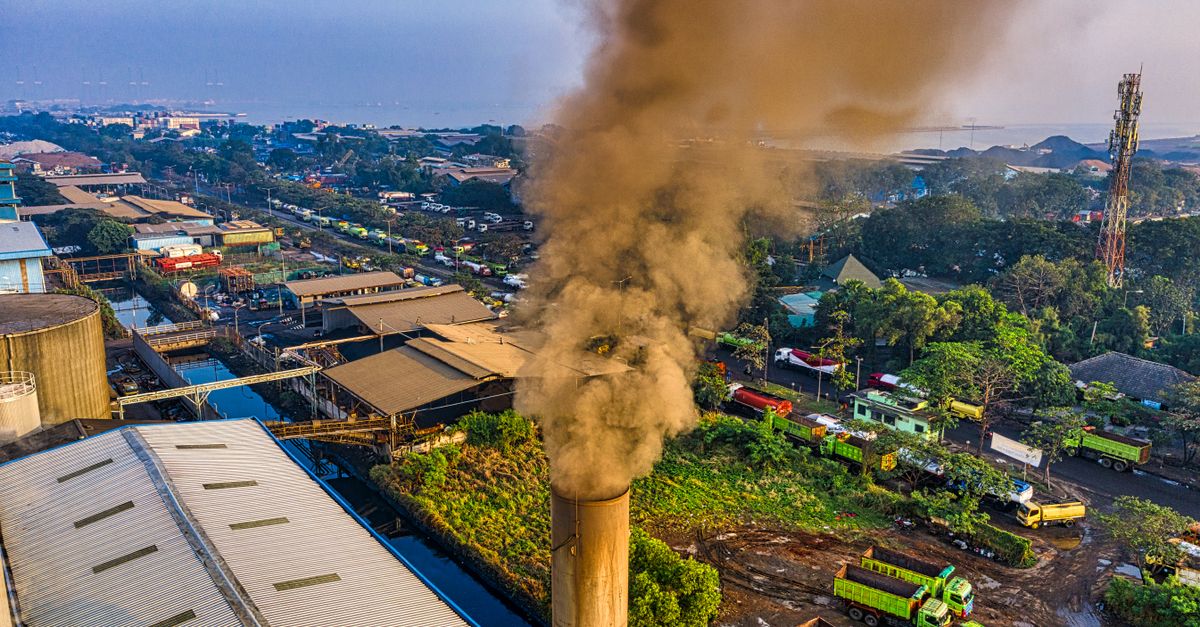
- Red mud by‑product is stored in secure ponds and increasingly repurposed in construction materials under circular‑economy initiatives.
- Typical energy consumption for the Bayer process ranges from 12 to 15 GJ per tonne of alumina.
What extrusion techniques shape aluminium alloys for industrial use?
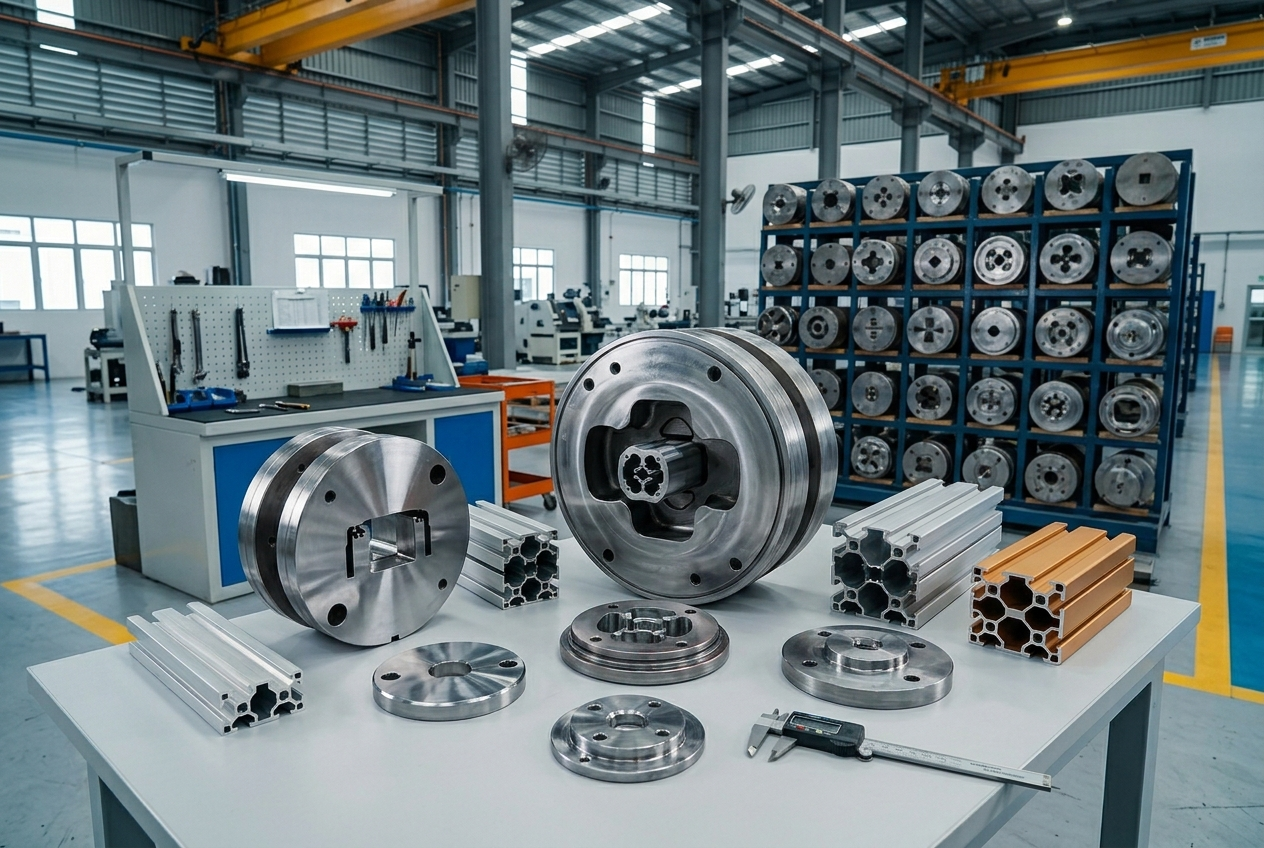
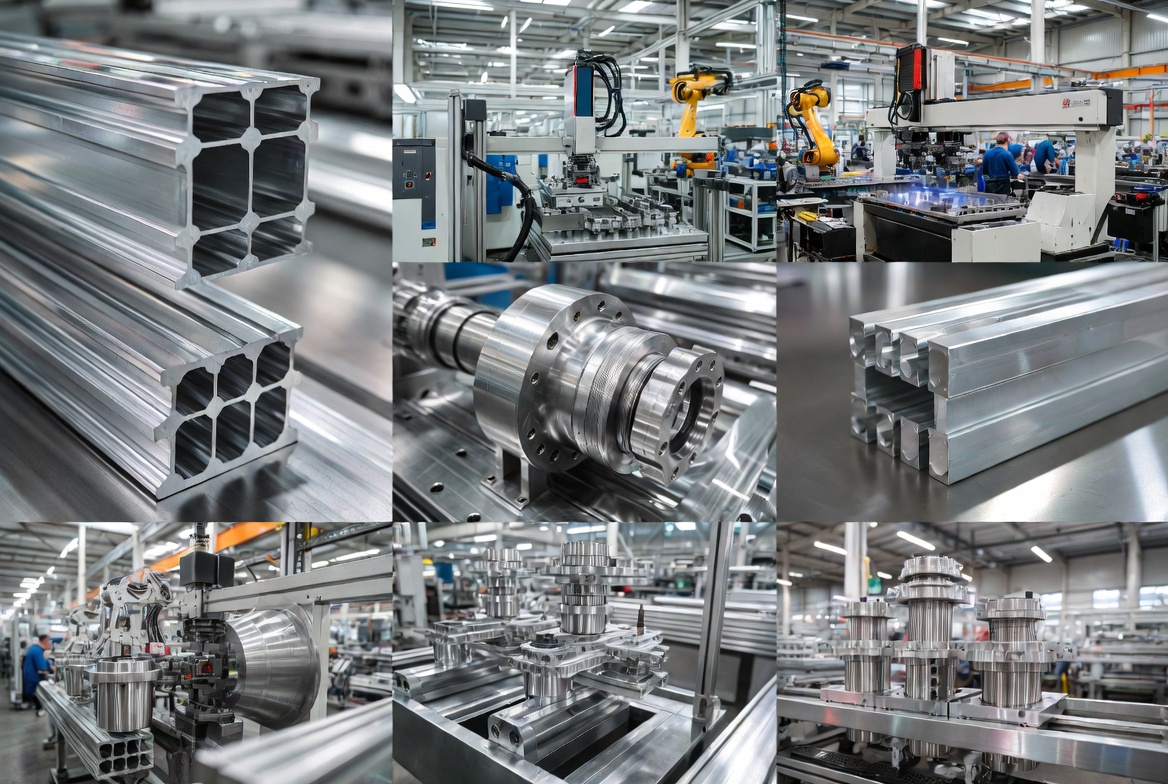
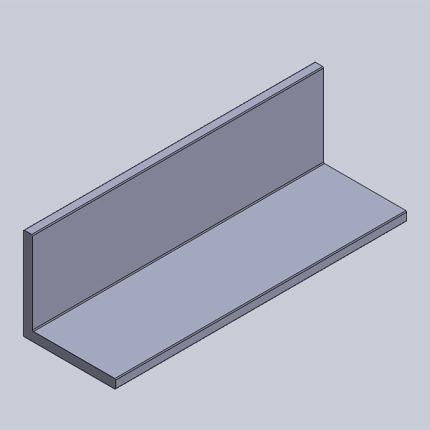
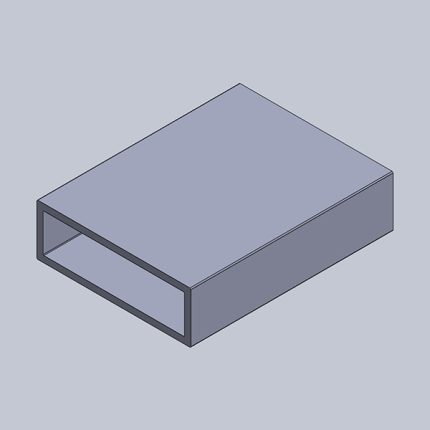
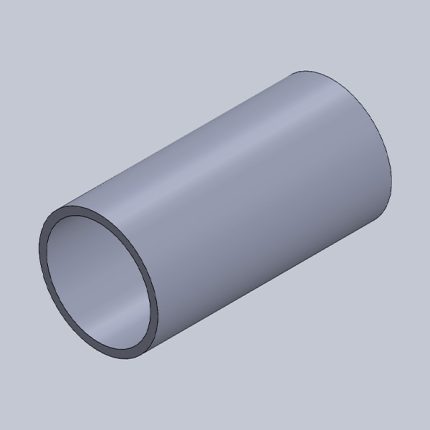
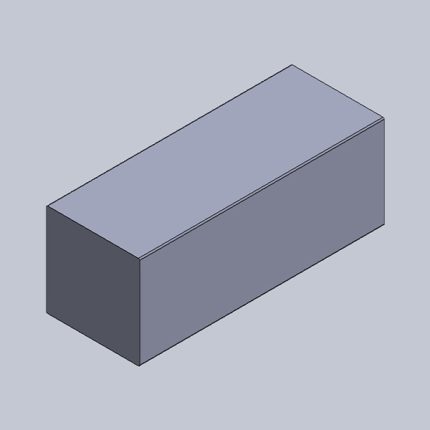
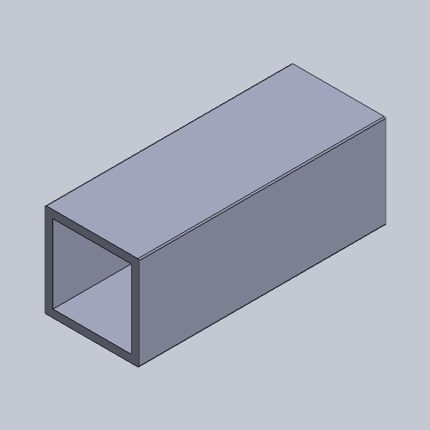
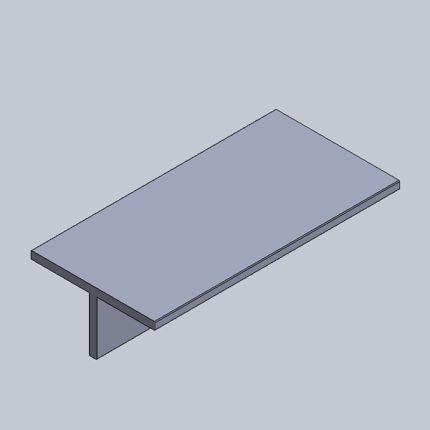
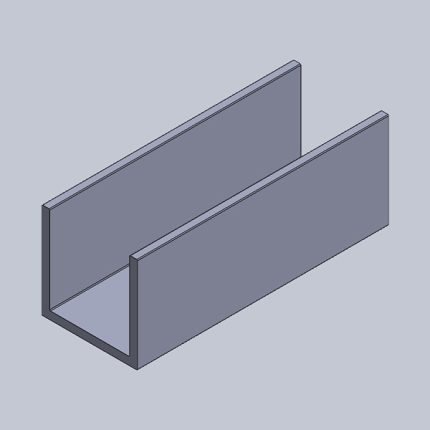
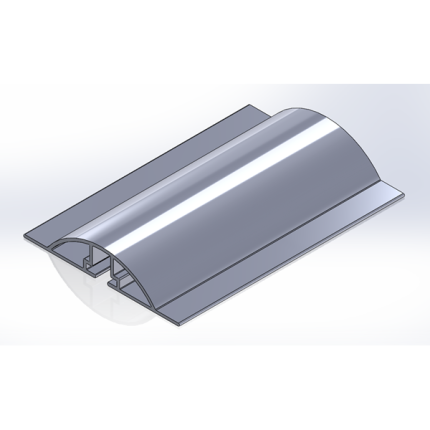
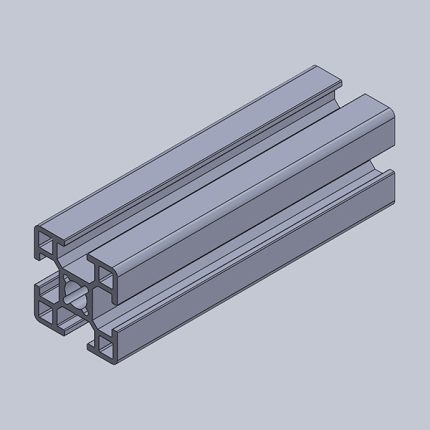
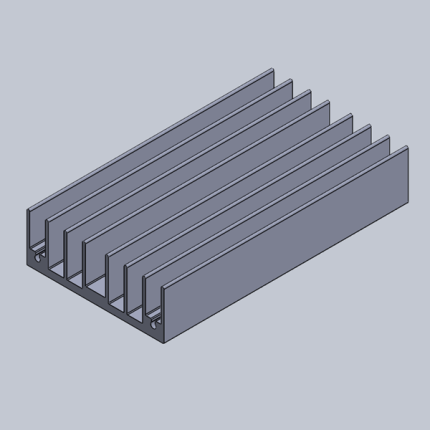
Extrusion heats aluminium billets to 400–500 °C, forces them through a die using a hydraulic press, and creates continuous profiles with complex cross‑sections; post‑extrusion steps include straightening, aging, and surface treatments to achieve required mechanical properties and corrosion resistance and durability.
- Common alloys: 6063 (architectural frames), 6061 (structural components), 7075 (high‑strength aerospace).
- Dimensional tolerances held within ±0.1 mm.
- Surface finishes: mill finish, anodized (up to 25 µm), powder coating in over 200 RAL colours.
How do casting and finishing add value to aluminium products?
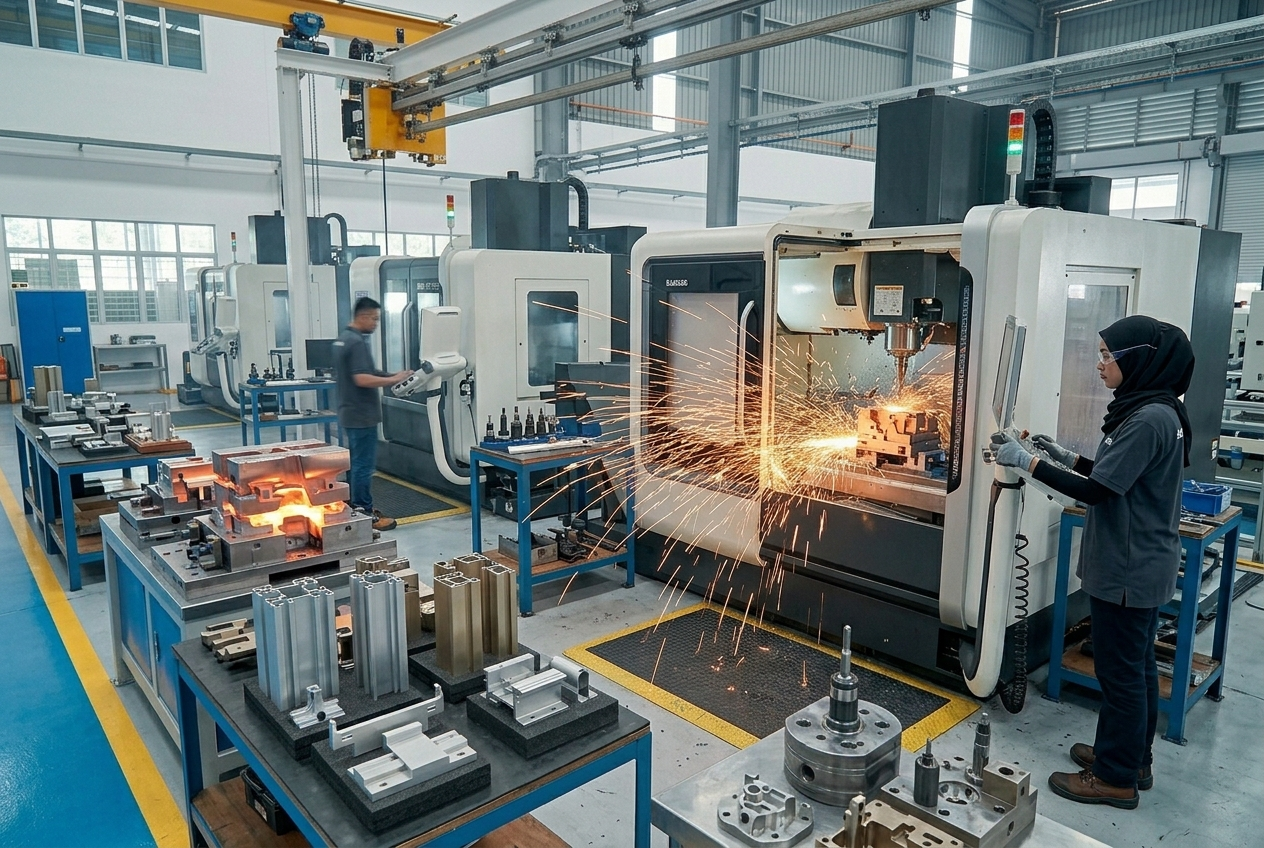
Casting transforms molten aluminium into near‑net‑shape parts using die, permanent mold, or sand methods, achieving high repeatability and material efficiency, while finishing steps such as machining, anodizing, and powder coating impart precise dimensions, surface hardness, and corrosion protection required for demanding automotive, aerospace, and architectural applications.
- Die casting rates up to 500 shots per hour for automotive housings; porosity <0.5 % via vacuum assistance.
- Permanent mold and sand casting accommodate larger, complex geometries with lower tooling costs.
- Finishing lines offer chromate conversion, anodizing up to 25 µm, and powder coating in over 200 RAL colours.
Why choose a Selangor‑based aluminium manufacturer for your project?
Choosing a Selangor‑based aluminium manufacturer gives you access to advanced production facilities, a skilled engineering workforce, and streamlined logistics via Port Klang, resulting in shorter lead times, lower shipping costs, and reliable compliance with Malaysian and international quality standards for diverse industrial applications.
- Just‑in‑time delivery reduces inventory costs by an average of 15‑20 %.
- Local firms provide technical consultation, DFM reviews, and after‑sales service that extends product lifespans.
- Proximity to Port Klang cuts inland transport time by up to 40 % compared with inland sites.
Frequently Asked Questions
What is the typical lead time for aluminium extrusions from Selangor?
Lead times usually range from 2 to 4 weeks for standard profiles, depending on die availability and order volume.
Which aluminium alloys are most commonly used in Selangor’s extrusion plants?
The most common alloys are 6063 for architectural applications and 6061 for structural components, with 7075 reserved for high‑strength aerospace parts.
How does Port Klang logistics benefit Selangor aluminium manufacturers?
Port Klang provides direct deep‑water berths, reducing inland trucking and enabling efficient import of bauxite and export of finished goods.
What environmental standards do Selangor aluminium plants follow?
Most plants are ISO 14001 certified and implement closed‑loop water recycling, energy‑efficient furnaces, and red‑mud repurposing programmes.