






Aluminium Extrusion Mould Malaysia: Design, Manufacturing & Engineering Guide for High-Precision Aluminium Profiles

Introduction
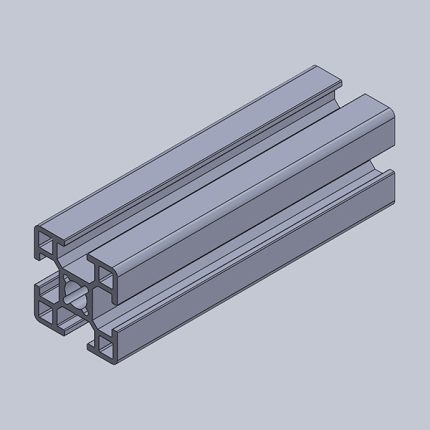
An aluminium extrusion mould—commonly known as an extrusion die—is one of the most critical tools in aluminium manufacturing. It determines the exact shape, dimensional accuracy, structural performance, and surface quality of every aluminium profile produced.
In modern engineering and manufacturing industries, aluminium extrusion moulds are essential for producing high-performance aluminium components used in construction, transportation, electronics, industrial machinery, and architectural systems.
In Malaysia’s rapidly growing industrial sector, demand for precision-engineered aluminium extrusion moulds continues to increase as companies shift toward custom aluminium profiles, lightweight structures, and advanced fabrication systems.
This article provides a complete guide to aluminium extrusion moulds, including their design, manufacturing process, types, materials, applications, benefits, and importance in modern aluminium engineering.
What Is an Aluminium Extrusion Mould?
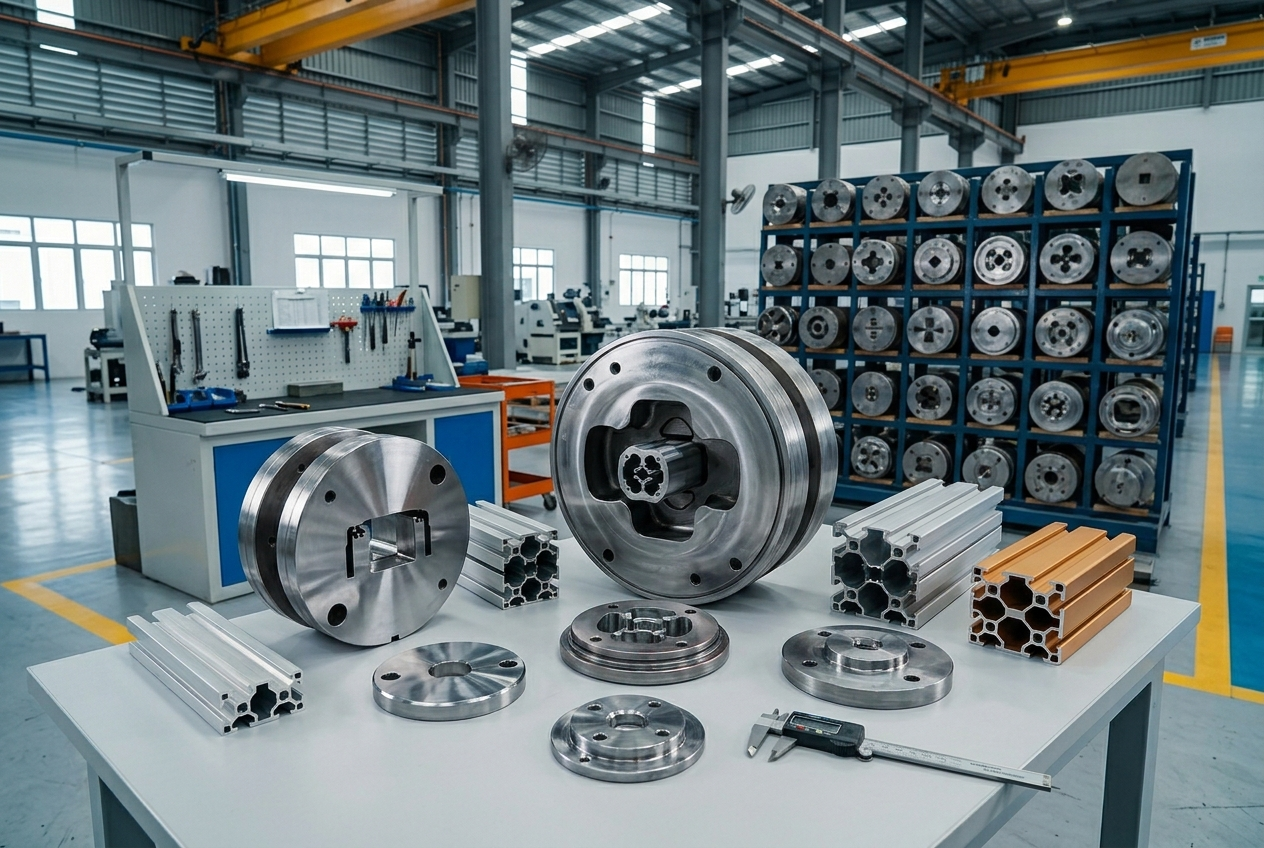
An aluminium extrusion mould is a precision-engineered steel tool used in the aluminium extrusion process to shape heated aluminium billets into specific cross-sectional profiles.
When aluminium is forced under high pressure through the mould opening, it takes the exact shape of the cavity, producing continuous lengths of aluminium profiles.
The extrusion mould defines:
- Profile shape and geometry
- Wall thickness
- Structural strength distribution
- Internal cavities (for hollow profiles)
- Surface finish characteristics
Every aluminium profile—whether simple or complex—requires a dedicated extrusion mould design.
Importance of Aluminium Extrusion Moulds
Product Accuracy
A well-designed mould ensures:
- High dimensional precision
- Consistent profile shape
- Smooth surface finish
- Minimal deformation
Manufacturing Efficiency
Optimized moulds reduce:
- Material waste
- Production defects
- Machine stress
- Downtime
Structural Performance
Mould design directly affects:
- Load-bearing capability
- Torsional strength
- Flexibility and rigidity
- Functional performance
Custom Engineering Capability
Aluminium extrusion moulds enable:
- Custom profile design
- Complex structural shapes
- Integrated functional features
- Industry-specific solutions
Types of Aluminium Extrusion Moulds
Solid Moulds
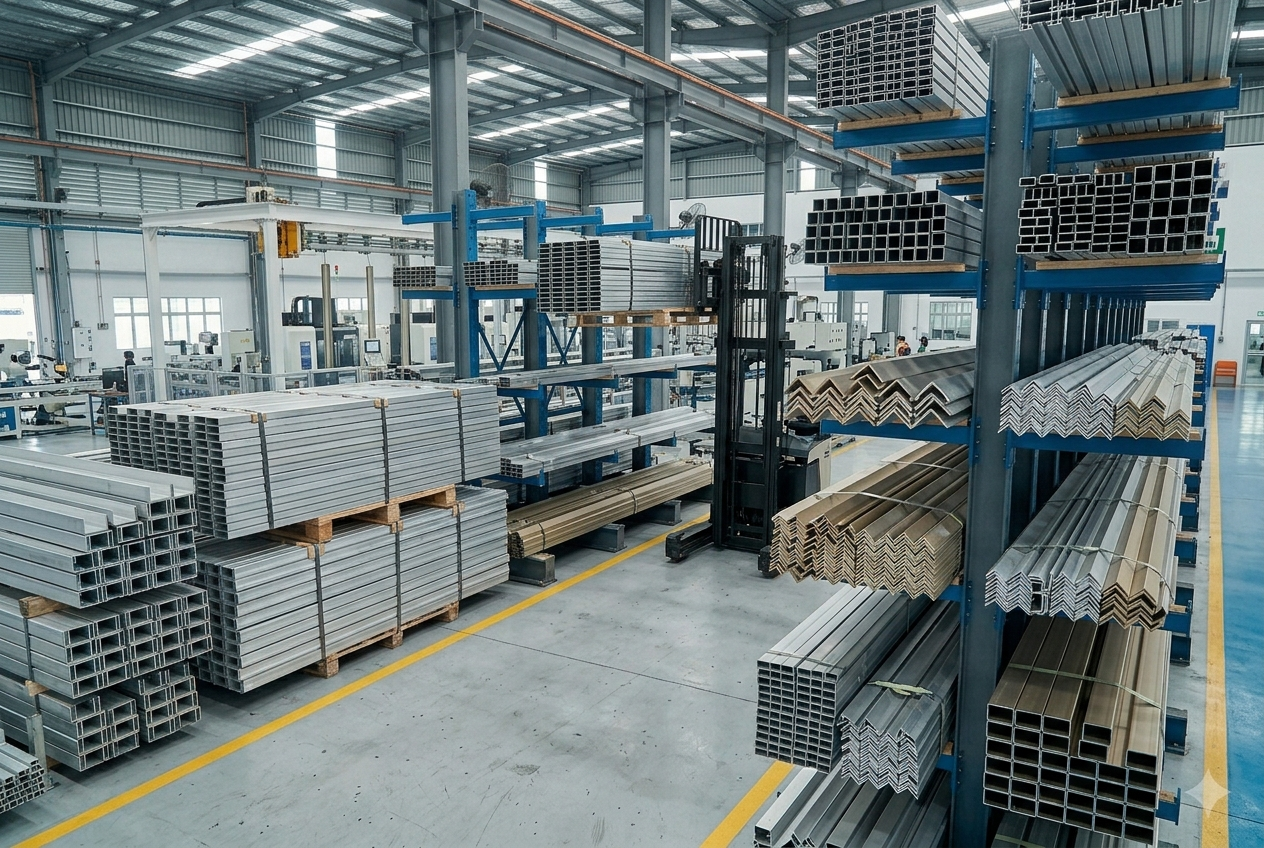
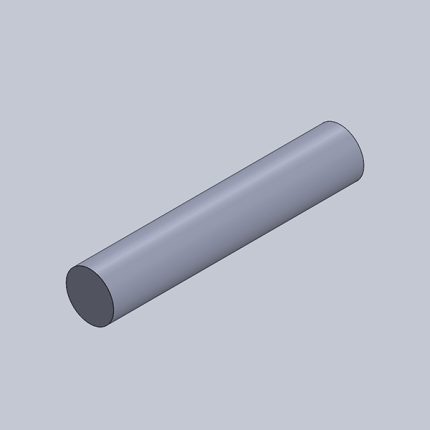
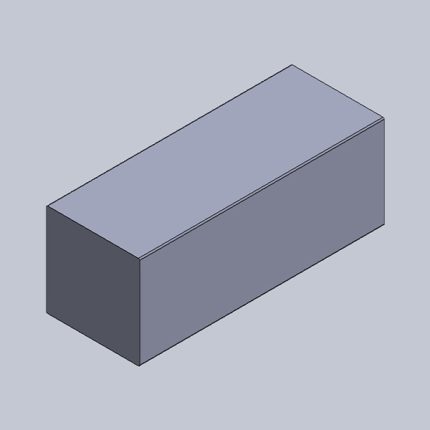
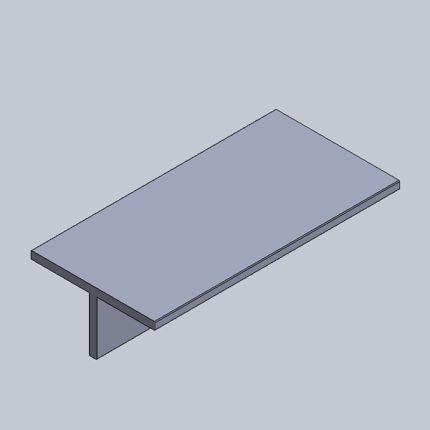
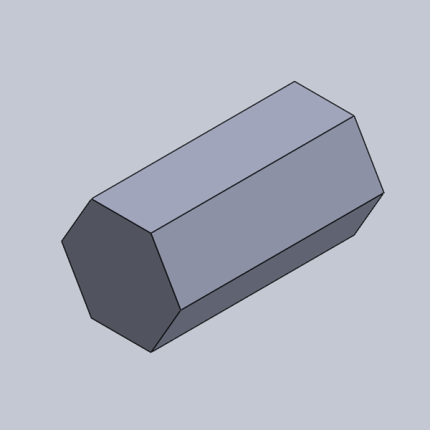
Solid moulds produce non-hollow profiles.
Common outputs include:
- Bars
- Rods
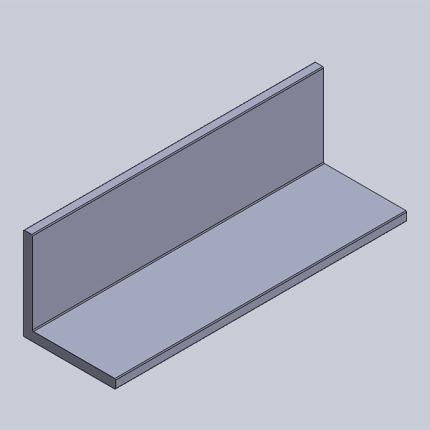
- Angles
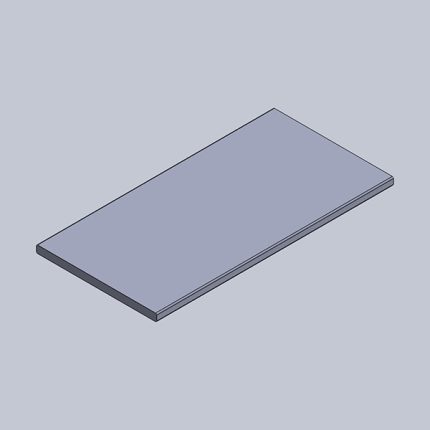
- Flat strips
- Simple structural shapes
They are simpler and widely used in general manufacturing.
Hollow Moulds
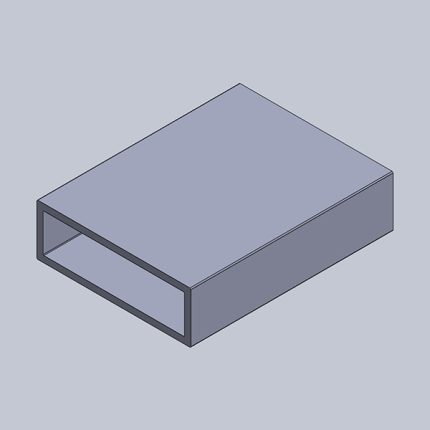
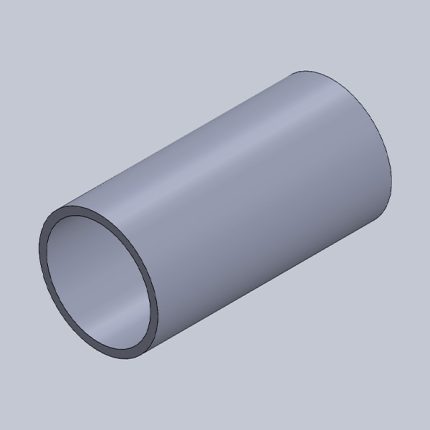
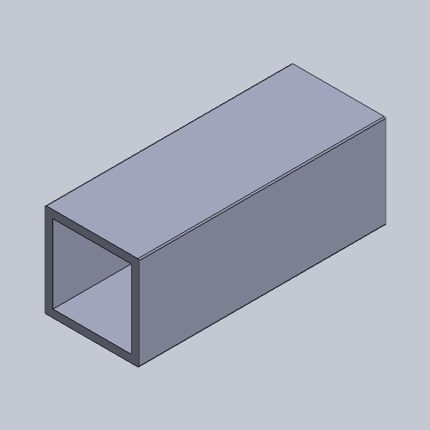
Hollow moulds are used to produce profiles with internal cavities.
Applications include:
- Tubes
- Multi-chamber profiles
- Structural frames
- Architectural systems
They require advanced engineering to control internal material flow.
Semi-Hollow Moulds
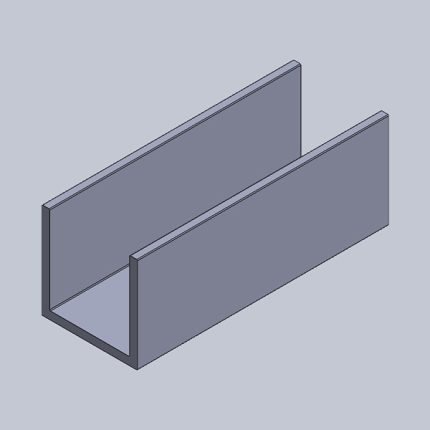
Semi-hollow moulds produce partially enclosed profiles.
They are used where:
- Moderate complexity is required
- Structural balance is needed
- Cost efficiency is important
Custom Extrusion Moulds
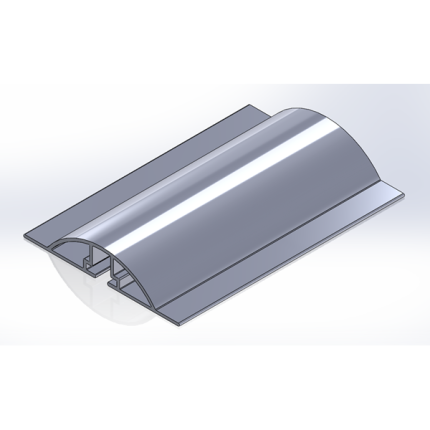
Custom moulds are designed for specific industrial or architectural requirements.
They are widely used in:
- Construction systems
- Industrial machinery
- Transportation structures
- High-performance engineering applications
Custom moulds allow unlimited design flexibility for aluminium profiles.
Aluminium Extrusion Mould Design Process
1. Requirement Analysis
Engineers evaluate:
- Application requirements
- Load conditions
- Material type (6061, 6063, etc.)
- Thermal conditions
- Structural expectations
This ensures the mould is engineered for real-world performance.
2. CAD Modelling & Simulation
Advanced CAD software is used to simulate:
- Aluminium flow behavior
- Pressure distribution
- Thermal effects
- Structural deformation
Simulation helps prevent defects before production begins.
3. Flow Channel Design
Proper aluminium flow is critical to mould performance.
Engineers optimize:
- Entry points
- Flow balance
- Pressure distribution
- Material speed consistency
This ensures uniform extrusion quality.
4. Tool Steel Selection
Most extrusion moulds are made from high-strength tool steel such as:
- H13 steel
- Alloy tool steel variants
These materials provide:
- High heat resistance
- Wear durability
- Long service life
5. CNC Machining & EDM Processing
Precision manufacturing techniques include:
- CNC milling
- Wire EDM cutting
- Surface grinding
These processes ensure high accuracy in mould geometry.
6. Heat Treatment
Heat treatment improves:
- Hardness
- Structural strength
- Wear resistance
- Thermal stability
This is essential for high-pressure extrusion environments.
7. Final Polishing & Quality Inspection
Before use, moulds undergo:
- Surface polishing
- Dimensional inspection
- Flow testing
- Quality validation
Materials Used in Aluminium Extrusion Moulds
H13 Tool Steel
Most commonly used due to:
- Excellent heat resistance
- High toughness
- Long operational life
Alloy Tool Steel
Used for specialized moulds requiring:
- Enhanced fatigue resistance
- Higher strength applications
Surface Coatings
To improve performance, moulds may include:
- Nitriding layers
- Anti-wear coatings
- Thermal protection layers
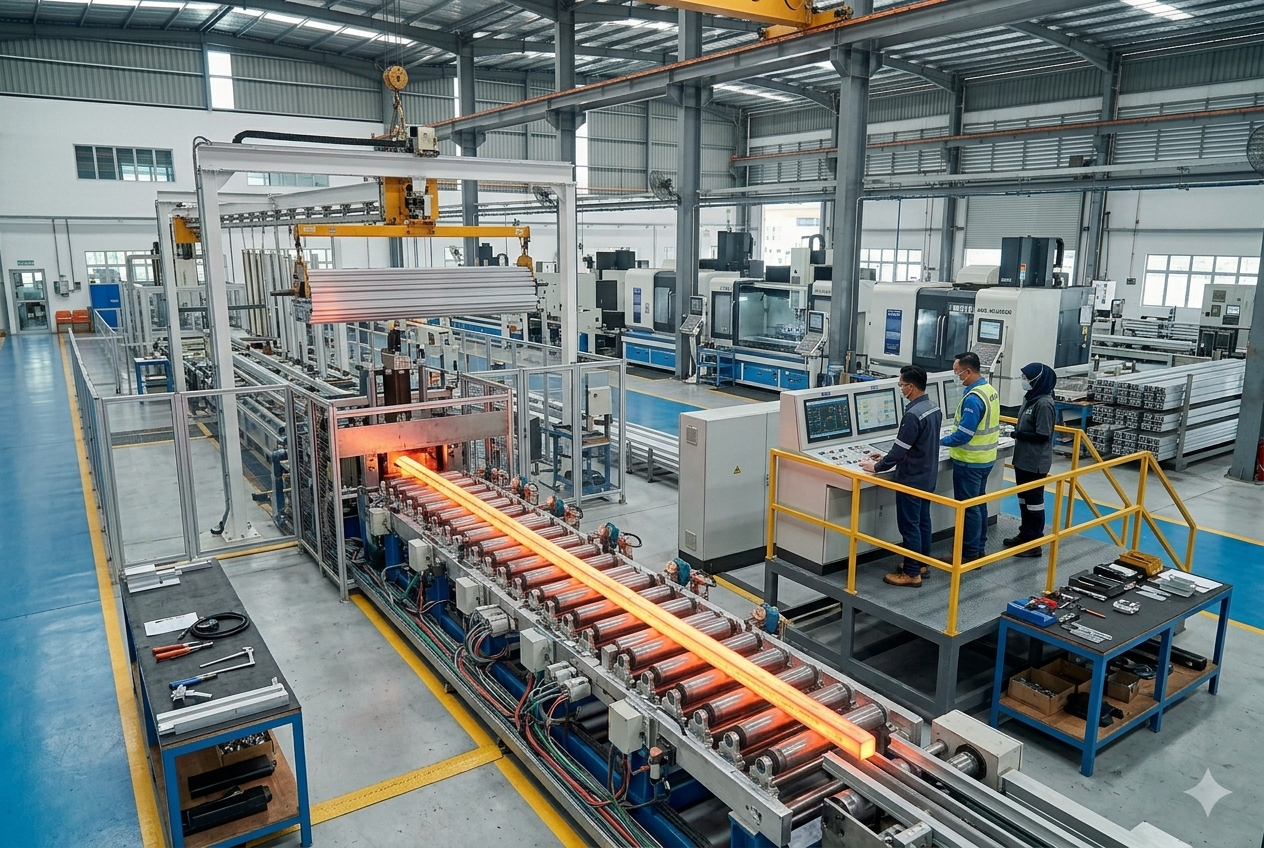
How Aluminium Extrusion Works Using Moulds
Step 1: Heating Aluminium Billets
Aluminium is heated to a malleable state.
Step 2: Pressurization
Hydraulic pressure forces aluminium through the mould.
Step 3: Profile Formation
Aluminium takes the shape of the mould cavity.
Step 4: Cooling
Extruded profiles are cooled to stabilize structure.
Step 5: Cutting
Profiles are cut into required lengths for use.
Applications of Aluminium Extrusion Moulds
Construction Industry
Used for producing:
- Curtain wall systems
- Window frames
- Door systems
- Facade structures
Industrial Manufacturing
Used in:
- Machine frames
- Conveyor systems
- Automation structures
- Equipment supports
Transportation Industry
Applications include:
- Rail components
- Automotive structures
- Bus frameworks
- Aerospace parts
Electronics Industry
Used for:
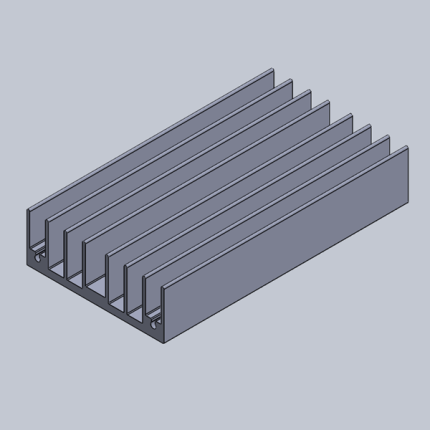
- Heat sinks
- LED housings
- Electronic enclosures
- Cooling systems
Renewable Energy Sector
Applications include:
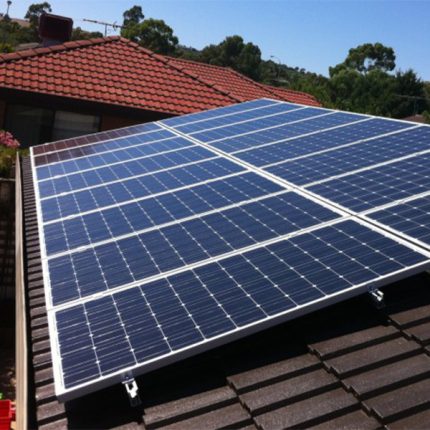
- Solar panel mounting systems
- Wind energy structures
- Battery enclosures
Advantages of Aluminium Extrusion Moulds
High Precision Production
Ensures consistent aluminium profile geometry.
Mass Production Efficiency
Supports large-scale manufacturing with low variation.
Custom Design Capability
Allows unlimited profile design flexibility.
Cost Efficiency
Reduces waste and improves production efficiency.
Long Tool Life
Properly engineered moulds can withstand thousands of production cycles.
Common Challenges in Extrusion Mould Design
Material Flow Imbalance
Uneven flow can cause distortion or defects in profiles.
Wear & Tear
Continuous extrusion causes gradual tool wear.
Thermal Stress
High operating temperatures affect mould stability.
Complex Geometry Issues
Intricate designs require advanced engineering solutions.
Maintenance of Aluminium Extrusion Moulds
Proper maintenance ensures long-term performance:
Cleaning
Removes aluminium residue buildup.
Inspection
Detects cracks, wear, or deformation.
Polishing
Restores smooth flow surfaces.
Repair & Reconditioning
Extends mould lifespan and reduces replacement costs.
Aluminium Extrusion Moulds in Modern Manufacturing
Modern extrusion mould engineering integrates:
- AI-assisted design optimization
- 3D simulation modelling
- Precision CNC machining
- Automated quality inspection systems
These advancements improve accuracy, reduce defects, and increase production efficiency.
Why Aluminium Extrusion Moulds Are Critical in Engineering
Aluminium extrusion moulds are the foundation of aluminium profile manufacturing. Every structural system, architectural frame, or industrial component begins with a precisely engineered mould.
They enable:
- Custom aluminium profile development
- High-volume production efficiency
- Engineering precision and consistency
- Industrial scalability
- Cost-effective manufacturing
Without high-quality moulds, modern aluminium engineering would not be possible at scale.
Frequently Asked Questions
What is an aluminium extrusion mould?
An aluminium extrusion mould is a precision steel tool used to shape aluminium into specific profiles during extrusion.
What is the difference between mould and die?
They are often used interchangeably, but both refer to the tool that forms aluminium profiles during extrusion.
What materials are used for extrusion moulds?
Most moulds are made from H13 tool steel or similar high-strength alloy steels.
How long does an extrusion mould last?
A high-quality mould can last thousands of production cycles depending on usage and maintenance.
Can extrusion moulds be customized?
Yes. Custom moulds are designed for specific engineering and architectural applications.
What industries use extrusion moulds?
Construction, manufacturing, transportation, electronics, and energy industries rely on aluminium extrusion moulds.
Conclusion
Aluminium extrusion moulds are a fundamental component of modern aluminium manufacturing. They determine the shape, precision, and performance of aluminium profiles used across a wide range of industries.
From architectural systems and industrial machinery to transportation infrastructure and renewable energy applications, extrusion moulds enable the production of high-quality, customized aluminium solutions.
As manufacturing technology advances, aluminium extrusion mould design will continue evolving toward greater precision, efficiency, and engineering capability.
For businesses involved in aluminium manufacturing, investing in high-quality extrusion mould design and engineering is essential for achieving long-term production efficiency, product consistency, and competitive advantage.