

Aluminium Manufacturing in Selangor, Malaysia: Processes, Benefits & Local Suppliers

What is the current state of aluminium manufacturing in Selangor, Malaysia?
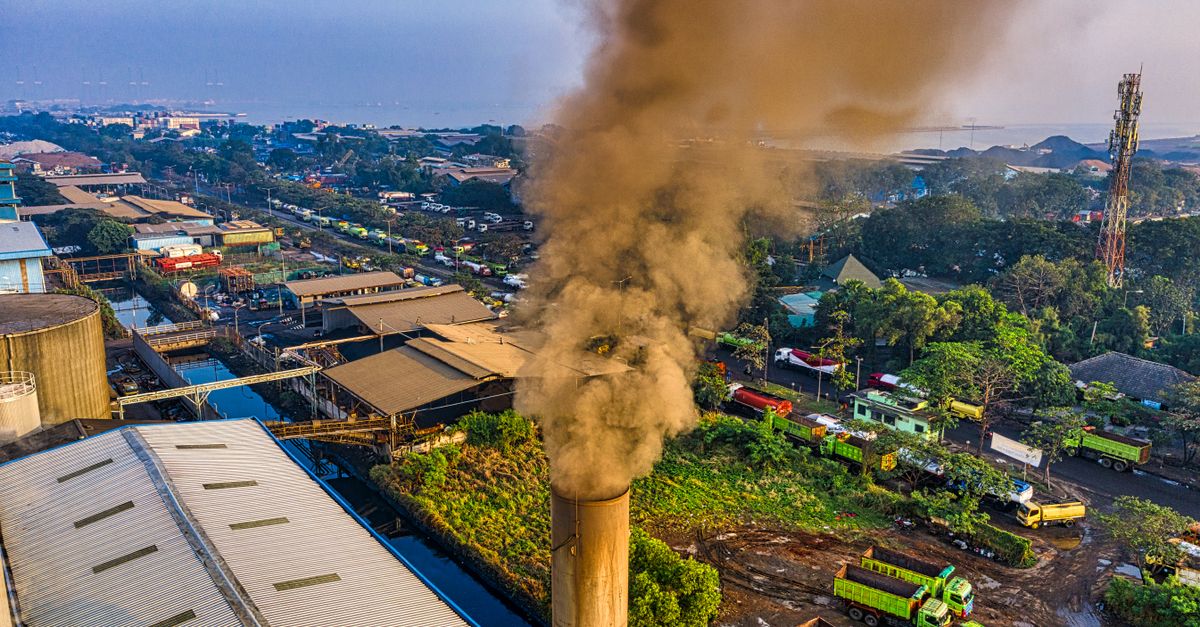
Selangor’s aluminium manufacturing sector has grown rapidly, with annual capacity exceeding 150 kt of extrusions, sheets, and castings serving automotive, construction, and packaging industries, supported by state incentives, proximity to Port Klang, and a focus on sustainable recycling and a skilled workforce.
The state’s aluminium output serves both domestic industries and export markets, with major end-users including car manufacturers, building contractors, and consumer-goods producers. Government initiatives such as the Selangor Industrial Development Authority (SIDA) incentives have attracted foreign direct investment, while proximity to Port Klang reduces shipping lead times. Environmental regulations encourage scrap-based recycling, lowering the carbon footprint of local production.
How does the aluminium production process work in Malaysian factories?
The process refines bauxite to alumina, smelts it via Hall-Heroult electrolysis into primary ingots, then heats and shapes the ingots through rolling or extrusion, applies surface treatments such as anodising or powder coating, and finally cuts, inspects, and packs the products for distribution.
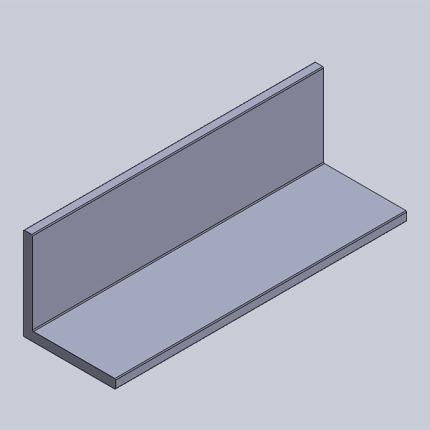
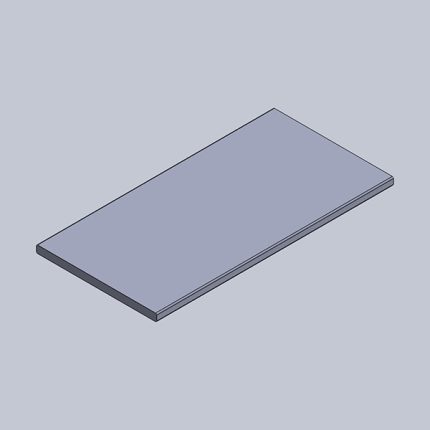
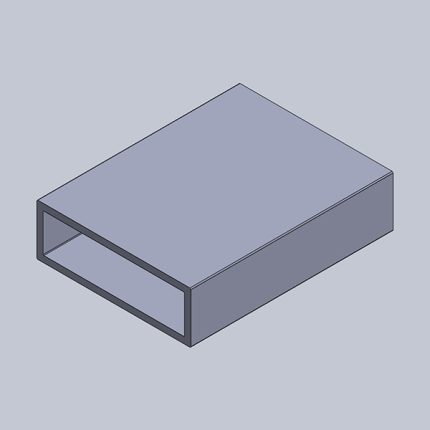
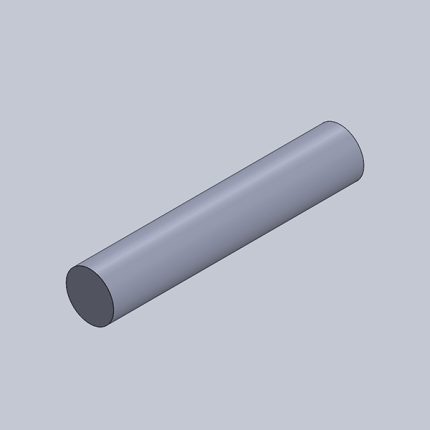
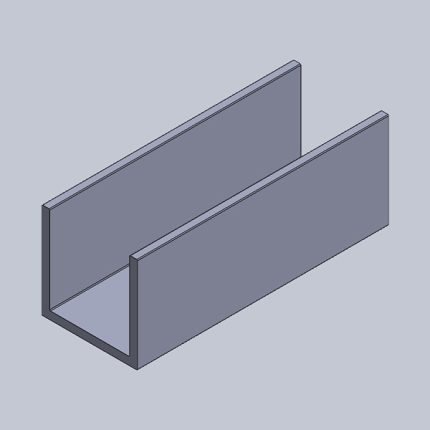
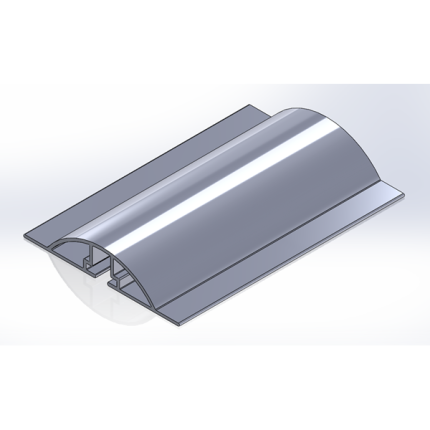
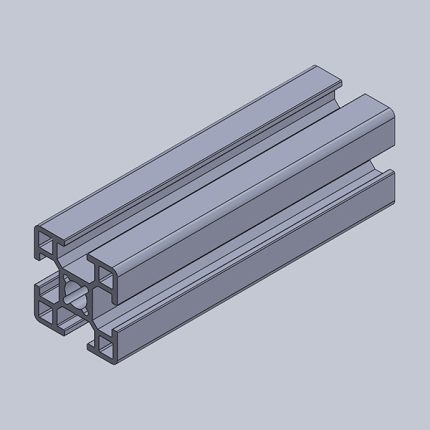
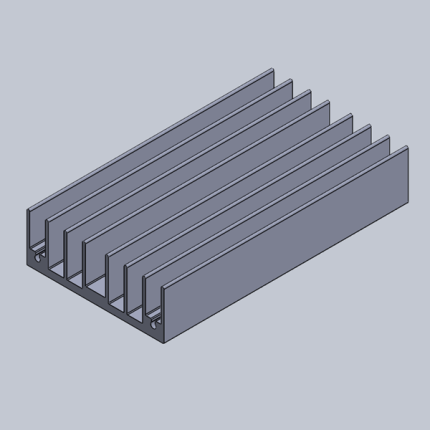
Primary aluminium is typically supplied in ingot form to downstream plants that perform casting, rolling, or extrusion. Rolling mills produce sheet and plate for packaging and automotive panels, while extrusion presses create complex profiles for window frames and heat exchangers. Surface treatments such as anodising or powder coating enhance corrosion resistance and aesthetics before final quality checks.
Why choose Selangor as a hub for aluminium manufacturing?
Selangor offers strategic proximity to Port Klang, a skilled labour force, reliable power, and state incentives such as tax exemptions and grants, which lower logistics costs, enable rapid scaling, and attract foreign direct investment for serving Southeast Asian markets and robust infrastructure.
Additionally, the Selangor government provides tax exemptions and grants for high-value manufacturing projects, and the region’s technical universities supply a steady pipeline of engineers and technicians. The integrated logistics network-including highways, rail, and the Kuala Lumpur International Airport-facilitates just-in-time delivery to both local factories and overseas customers.
Who are the key aluminium manufacturers and suppliers in Selangor?
Key players include integrated smelters, mid-size extrusion firms, and specialist fabricators such as Kamco Aluminium, which provides custom extrusion, machining, and finishing services, alongside Alcomet Malaysia for rolled products and Press Metal’s extrusion lines, together supplying automotive OEMs, construction contractors, and packaging companies.
For detailed capabilities, visit Kamco Aluminium’s services page: Kamco Aluminium’s services page. Other notable companies include Alcomet Malaysia, which focuses on rolled products, and Press Metal Aluminium (though headquartered elsewhere, it operates significant extrusion lines in Selangor). These firms collectively ensure a broad product range, from standard alloys to high-performance aerospace grades.
What are the benefits and challenges of aluminium manufacturing in Malaysia?
Benefits include lightweight strength, corrosion resistance, and infinite recyclability that cut energy use by up to 95% and boost fuel efficiency, while challenges involve high electricity consumption in smelting, raw-material price volatility, and the need for skilled technical staff to maintain quality and adopt automation.
On the benefit side, aluminium’s recyclability saves up to 95% of the energy required for primary production, aligning with Malaysia’s national sustainability goals. Its strength-to-weight ratio improves fuel efficiency in vehicles, while corrosion resistance extends service life in tropical climates. Conversely, electricity tariffs can impact smelting profitability, and global LME price volatility requires hedging strategies. Continuous upskilling programs are essential to keep pace with advancing automation and digitalisation in the plants.
How can businesses source aluminium products from Selangor manufacturers?
Businesses should define alloy grade, temper, and dimensions, request quotes from certified suppliers like Kamco Aluminium via their service portal, verify ISO 9001/14001 certifications and mill test reports, approve samples, then negotiate lead times, payment terms, and logistics for timely delivery.
It is advisable to verify certifications such as ISO 9001 and ISO 14001, and to request mill test reports for chemical composition and mechanical traits. Establishing clear communication channels and visiting the supplier’s facility can build trust and help identify value-added services like just-in-time inventory management or custom packaging.
Frequently Asked Questions (FAQs)
What is the typical lead time for aluminium extrusions in Selangor?
Lead times generally range from 2 to 4 weeks for standard profiles, depending on alloy availability and press scheduling. Custom dies or tight tolerances may extend the timeline to 6-8 weeks.
Which aluminium alloys are most commonly produced in Selangor?
The prevalent alloys are 6063 for architectural extrusions, 6061 for structural applications, and 3003/3105 for sheet and packaging. Higher-strength series such as 7075 are available upon request for aerospace or defence needs.
How does recycling impact the cost of aluminium products in Selangor?
Using recycled scrap can reduce material costs by up to 30% compared with primary ingot, while also lowering energy consumption. Many local suppliers offer a blend of recycled and virgin metal to meet specific performance and price targets.
Are there minimum order quantities (MOQs) when sourcing from Selangor manufacturers?
MOQs vary by product type; extrusions often start at 500 kg, while sheets and plates may require a minimum of 1 tonne. Some suppliers are flexible for prototyping runs, especially for new product development.
What quality certifications should I look for in a Selangor aluminium supplier?
Look for ISO 9001 (quality management), ISO 14001 (environmental management), and, for automotive clients, IATF 16949. Additional certifications like AS9100 may be relevant for aerospace-grade material.
Can Selangor manufacturers provide value-added services such as CNC machining or anodising?
Yes, many fabricators offer in-house CNC milling, turning, drilling, and surface treatments including anodising, powder coating, and polishing. These services help reduce lead times and logistics costs by completing multiple steps under one roof.