

Aluminium Stage Solutions for Events in Selangor, Malaysia – Kamco Aluminium

Aluminium Stage Solutions for Events in Selangor, Malaysia – Kamco Aluminium
What is an Aluminium Stage?
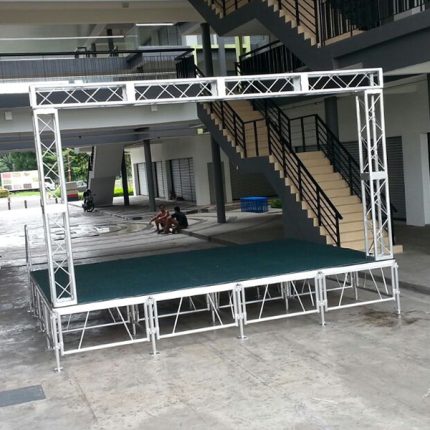
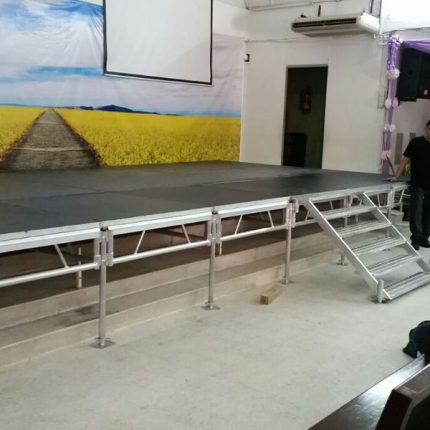
An aluminium stage is a lightweight, modular platform made from high‑strength aluminium alloy (typically 6063‑T5) that supports performers, equipment, and audiences. Its extruded profiles, locking connectors, decking panels, adjustable legs, and guardrails create a strong, corrosion‑resistant structure ideal for temporary events.
These stages are widely used for concerts, exhibitions, and corporate functions because they can be assembled and disassembled quickly, transported easily, and reconfigured to fit various venue sizes.
Why Choose Aluminium Stages for Events in Selangor?
Choosing aluminium stages in Selangor reduces transport weight, speeds up setup, and resists tropical humidity, while local suppliers ensure compliance with Malaysian safety standards.
- Lightweight: aluminium is ~⅓ the weight of steel, lowering truckload costs.
- Fast assembly: interlocking profiles cut setup time to 2‑4 hrs for small stages.
- Weather‑resistant: natural oxide layer protects against rain and humidity.
- Local support: companies like Kamco Aluminium provide technical advice, custom fabrication, and after‑sales service.
These benefits make aluminium stages a preferred choice for event organizers seeking efficiency and reliability.
Key Features and Specifications of Aluminium Stages
Key features include lightweight extruded profiles, interlocking modular systems, adjustable height legs, and integrated cable management, with load ratings certified for dynamic loads up to 5 kN/m².
- Profile sizes: 50×50 mm, 75×75 mm, 100×100 mm square or rectangular tubes.
- Finish options: mill finish, anodized (clear or coloured), powder‑coated (any RAL colour).
- Decking: 18 mm plywood with anti‑slip film or aluminium checker plate.
- Accessories: stair units, ramps, guardrails, truss adapters, power‑distribution channels.
Typical specifications also mention tensile strength of 200 MPa and elongation of 8 % for 6063‑T5 alloy.
Profile Types and Dimensions
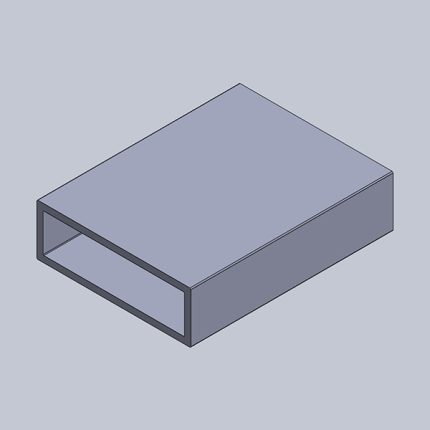
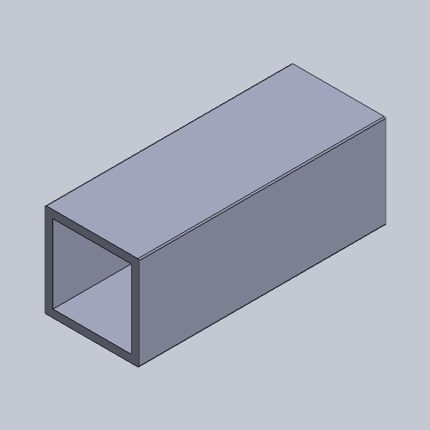
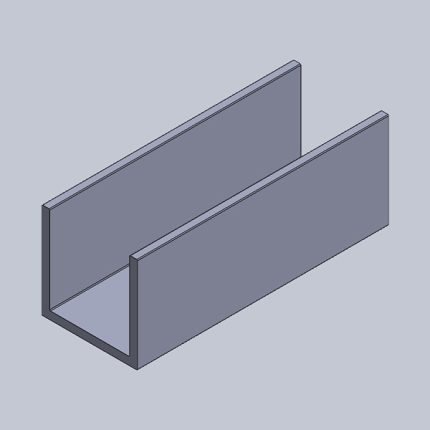
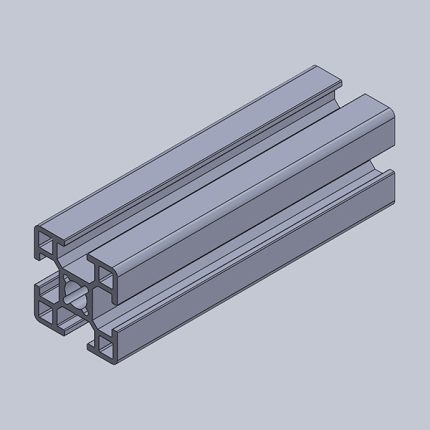
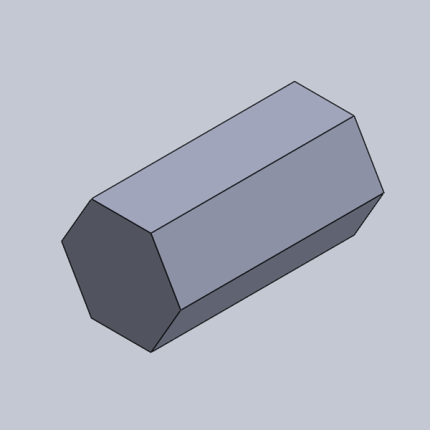
Aluminium stages commonly use extruded square tubes (50×50 mm, 75×75 mm) and rectangular tubes (50×100 mm), selected for their balance of strength, weight, and ease of assembly.
- Square tubes provide uniform stiffness in all directions.
- Rectangular tubes offer higher bending resistance along the longer axis.
- Wall thickness typically ranges from 2 mm to 4 mm, affecting load capacity.
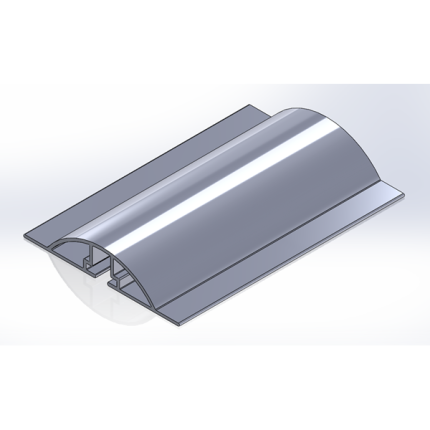
- Custom profiles can be fabricated for specific aesthetic or engineering needs.
These dimensions determine the stage’s stiffness, load‑bearing capacity, and compatibility with decking panels and accessory fittings.
Surface Finishes and Aesthetics
Surface finishes range from plain mill finish to anodized coatings in various colours and powder‑coated options, chosen to enhance durability, corrosion resistance, and visual appeal.
- Anodizing increases surface hardness, resists scratches, and allows dyeing for colour‑coding.
- Powder coating provides UV stability, a wide colour palette, and a tough protective film.
- Brushed or satin finishes give a premium look for high‑profile corporate events.
- Finish thickness: anodic layer 10‑25 µm; powder coat 60‑80 µm.
A brushed or satin finish can also be applied for a premium look in high‑profile corporate events.
Applications: Concerts, Exhibitions, Corporate Events
Aluminium stages serve a wide range of applications in Selangor, from live concert platforms and exhibition booths to corporate conference stages and product launch ramps, thanks to their modularity and quick reconfiguration.
- Concerts: support heavy PA systems, lighting trusses, and performer movement.
- Exhibitions: elevate product displays, speaker podiums, and demonstration zones.
- Corporate events: provide a professional backdrop for presentations, award ceremonies, and product launches.
Their modularity enables quick reconfiguration for different audience sizes, venue constraints, and technical requirements.
Concert and Performance Stages
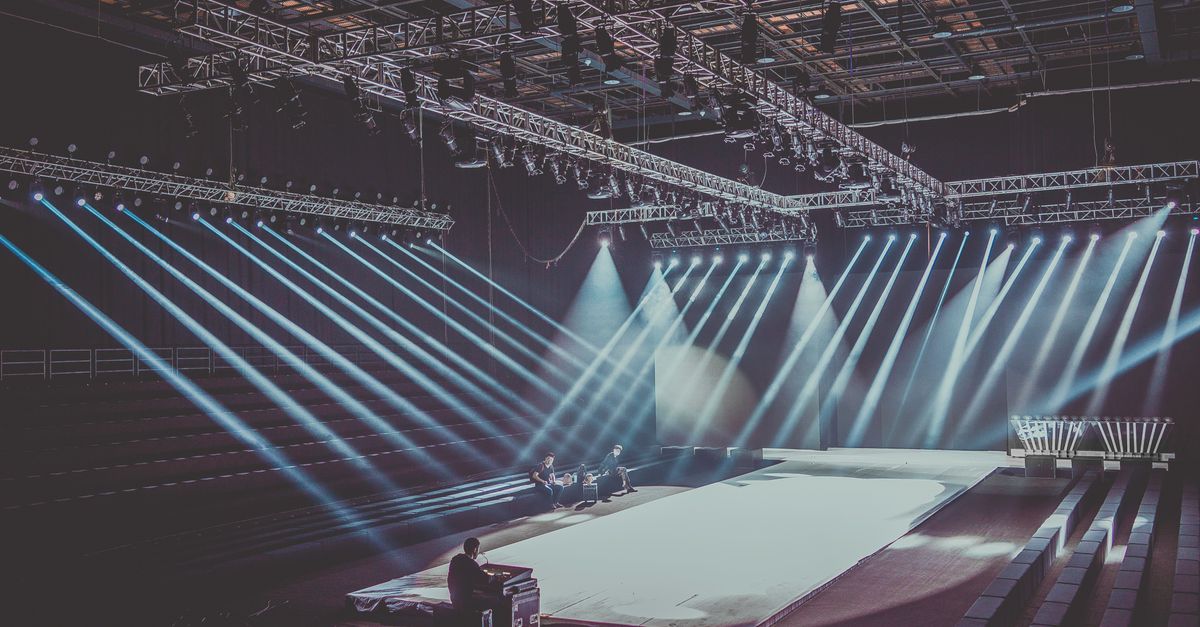
For concerts and live performances, aluminium stages provide a stable, vibration‑dampening platform that safely supports heavy sound equipment, lighting rigs, and performer movement.
- Adjustable leg systems enable precise height tuning to match sightlines and acoustic requirements.
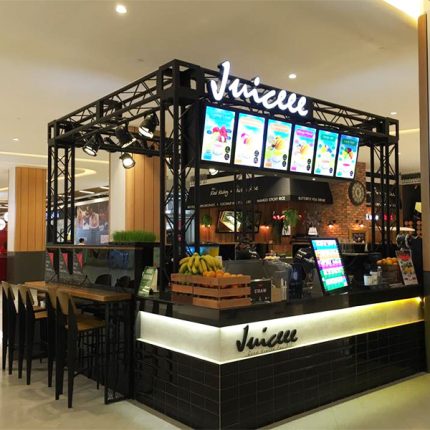
- Integrated truss compatibility allows rapid rigging of audio‑visual gear and scenic elements.
- Built‑in power distribution and data cabling can be incorporated for seamless technical integration.
- Load capacity typically 3 kN/m² to 5 kN/m² for dynamic loads from speakers and moving lights.
Stages can be equipped with built‑in power distribution and data cabling for seamless technical integration.
Exhibition and Trade Show Stands
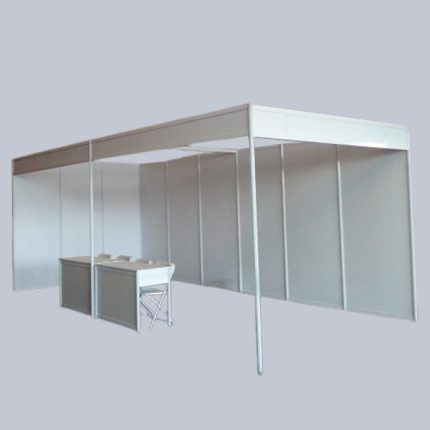
In exhibitions and trade shows, aluminium stages create elevated platforms for product displays, demonstration zones, and speaker podiums, improving visibility and visitor engagement.
- Lightweight construction allows easy transport between venues in Selangor.
- Modular panels can be branded with graphics or fitted with LED lighting to enhance booth aesthetics.
- Quick‑change fascia systems let exhibitors update branding between events without dismantling the stage.
- Typical size ranges from 2 m × 2 m booths to 6 m × 4 m demonstration areas.
Quick‑change fascia systems allow exhibitors to update branding between events without dismantling the stage.
Installation and Safety Guidelines
Proper installation involves site inspection, level ground preparation, sequential assembly of frames and decks, secure fastening of all connectors, load testing, guardrail installation, and compliance with DOSH regulations to prevent accidents.
- Site inspection: verify ground bearing capacity (≥50 kN/m²) and levelness.
- Ground preparation: use base plates or sand‑filled footings for stability.
- Assembly sequence: lay out base plates → insert vertical legs → attach horizontal beams → lay decking → install guardrails & stairs.
- Safety checks: torque all pins to manufacturer spec, install toe‑boards, verify guardrail height ≥1.1 m.
- Load test: apply 1.5× design load for 5 minutes before use.
A qualified rigging team should oversee the setup to ensure all safety standards are met.
Step‑by‑Step Assembly Process
Assembling an aluminium stage begins with laying out base plates according to the stage plan, then inserting vertical legs and securing them with locking pins, attaching horizontal beams to form the frame, laying and fastening decking panels, and finally installing guardrails, stairs, and any required rigging before a load test verifies safety.
- Position base plates on prepared ground, spacing per layout drawing.
- Insert vertical leg tubes into base plates and lock with pins.
- Connect horizontal beams to legs using locking connectors; ensure square.
- Lay decking panels onto the frame and fasten with bolts or quick‑release clamps.
- Install stair units, ramps, and guardrails as per design.
- Add any truss adapters, power‑distribution channels, or cable trays.
- Perform a visual inspection of all fasteners.
- Conduct a load test: apply 1.5× rated load for 5 min, check for deflection.
- Document results and sign off before event use.
Each step should follow the manufacturer’s manual, and a checklist is recommended to avoid missing any components.
Cost Considerations and ROI
Investing in an aluminium stage in Selangor involves upfront costs of RM 150‑RM 400 per square metre, with long‑term ROI realised through reusable modularity, low maintenance, and reduced labour, often delivering payback within two to three years.
- Up‑front cost factors: profile thickness, finish type, size, and included accessories.
- Rental rates: RM 20‑RM 50 per square metre per day, inclusive of transport and setup.
- Purchase advantage: asset depreciation, full control over specifications, elimination of recurring fees.
- Break‑even example: a 30 m² stage at RM 250/m² (RM 7,500) rented at RM 35/m²/day saves RM 1,050 per day; payback ~7‑8 rental days.
Financing options and lease‑to‑own plans are available from local suppliers to ease initial capital outlay.
Rental vs Purchase Options
Renting an aluminium stage is ideal for one‑off or infrequent events, with daily rates in Selangor ranging from RM 20 to RM 50 per square metre, including transport and setup; purchasing becomes cost‑effective for organisations that host regular events, offering asset depreciation benefits, full control over specifications, and elimination of recurring rental fees.
- Rental pros: low upfront cost, flexibility, maintenance handled by provider.
- Rental cons: recurring expense, limited customization.
- Purchase pros: long‑term savings, ability to brand/modify, potential resale value.
- Purchase cons: higher initial outlay, storage and maintenance responsibility.
- Hybrid model: buy core frame, rent accessories like stairs, guardrails, or specialty decking.
Hybrid models, where a base system is purchased and accessories rented, can also optimize cost for fluctuating event scales.
Frequently Asked Questions (FAQs)
This FAQ section addresses the most common inquiries about aluminium stages in Selangor, covering load capacity, installation time, suitability for outdoor use, permitting requirements, and where to purchase or rent.
What is the typical load capacity of an aluminium stage?
Aluminium stages generally support loads from 500 kg to over 2,000 kg per square metre, depending on the profile and bracing used. This range accommodates most concert, exhibition, and corporate event requirements safely.
How long does it take to install an aluminium stage?
A standard modular aluminium stage can be assembled in 2 to 4 hours for a small setup, while larger configurations may require up to a full day. The interlocking design significantly reduces installation time compared to traditional steel stages.
Are aluminium stages suitable for outdoor use in Selangor’s climate?
Yes, aluminium’s natural oxide coating provides excellent corrosion resistance, making it ideal for Selangor’s humidity and occasional rain. Additional finishes like anodizing or powder coating further enhance durability for outdoor events.
Do I need a permit to erect an aluminium stage in Selangor?
For public events, local authorities may require a temporary structure permit, especially if the stage exceeds certain height or load limits. It is advisable to check with the Selangor Municipal Council (MPS) before installation.
Where can I buy or rent aluminium stages in Selangor?
Several suppliers offer aluminium stage solutions, with Kamco Aluminium providing both sales and rental services. You can explore their catalogue and request a quote via their services page.