
Complete Guide to Aluminium Anodizing in Selangor, Malaysia – Process, Benefits & Services

Complete Guide to Aluminium Anodizing in Selangor, Malaysia – Process, Benefits & Services
Aluminium anodizing is a key surface treatment for manufacturers seeking durability, corrosion resistance, and aesthetic flexibility. This guide explains the process, benefits, local service options, and comparisons with other finishes, tailored for industry professionals in Selangor, Malaysia.
What is aluminium anodizing and why is it used?
Aluminium anodizing is an electrochemical process that thickens the natural oxide layer on aluminium, creating a durable, corrosion‑resistant finish that can be dyed in various colours. It improves wear resistance, enhances paint and adhesive adhesion, and provides aesthetic appeal for architectural and industrial components.
According to https://en.wikipedia.org/wiki/Anodizing, the anodic oxide layer is fully integrated with the underlying aluminium substrate, which prevents chipping or peeling.
How does the anodizing process work on aluminium?
The anodizing process immerses cleaned aluminium in a sulphuric acid electrolyte while applying direct current, causing oxygen to bond with the surface and form a porous aluminium oxide layer that can be dyed and sealed for enhanced durability and colour.
- Pre‑cleaning – alkaline or acid cleaning to remove oils and oxides.
- Etching – optional NaOH bath to achieve a matte finish.
- Anodizing – immersion in 15% sulphuric acid at 15-25°C with current density of 1.5-2.5 A/dm² for 30-45 minutes.
- Dyeing (optional) – immersion in dye bath at 40-60°C for 10-20 minutes.
- Sealing – hot water (95-100°C) or nickel-acetate seal to close pores.
- Rinsing and drying – final quality check.
What are the main benefits of anodized aluminium for manufacturers?
Anodized aluminium provides superior corrosion resistance, increased surface hardness, and excellent wear performance compared to bare metal. Its porous oxide layer absorbs dyes for lasting colour, improves adhesion for primers and paints, and maintains electrical insulation, making it ideal for functional and decorative industrial applications.
These benefits translate into longer service life, reduced maintenance costs, and reliable performance in harsh environments.
Where can you get professional aluminium anodizing services in Selangor, Malaysia?
In Selangor, Malaysia, specialised finishing companies such as Kamco Aluminium offer sulphuric acid anodizing, colour dyeing, and sealing services. They serve automotive, construction, and electronics sectors, providing durable, high‑quality finishes with quality certifications and reliable lead times for local manufacturers.
What should you look for in an anodizing service provider?
When selecting an anodizing vendor, verify ISO 9001 or equivalent quality certification, consistent bath chemistry control, and documentation of film thickness and sealing quality. Request sample panels, confirm lead times, and ensure the provider can meet your specific colour, thickness, or performance requirements.
Checking references and reviewing past project photos can also help assess consistency and capability.
What are typical turnaround times and costs in Selangor?
Standard sulphuric acid anodizing in Selangor typically finishes within 3 to 5 working days for batches up to 500 mm x 500 mm, with pricing ranging from RM 15 to RM 30 per square metre depending on film thickness, colour dyeing, and sealing requirements. Expedited service may add a 20-30% surcharge.
For larger parts or tight tolerances, discuss custom scheduling and pricing directly with the provider.
How does aluminium anodizing compare to other finishing methods?
Aluminium anodizing creates an integral oxide layer that is harder and more corrosion‑resistant than surface coatings like powder coating or paint, which sit on top of the metal and can chip or peel. Unlike plating, anodizing adds minimal weight, maintains electrical insulation, and allows vibrant, UV‑stable colours through dye absorption.
Anodizing vs. powder coating: key differences
Powder coating applies a dry polymer powder that is cured to form a thick protective film on aluminium, offering good impact resistance but limited colour depth and conductivity. Anodizing grows a thin, hard oxide layer directly from the metal, providing superior wear resistance, electrical insulation, and the ability to achieve metallic‑look dyes without adding bulk.
Choose powder coating when impact resistance and thick film are priorities; opt for anodizing when hardness, insulation, and colour stability are critical.
Anodizing vs. painting: when to choose each
Liquid paint provides a wide colour palette and easy touch‑up, but its softer film scratches more easily and fades faster under UV exposure than anodized finishes. Choose anodizing for long‑term durability, corrosion protection, and low maintenance; opt for painting when cost, rapid colour changes, or complex geometries are priorities.
For intricate shapes or frequent re‑branding, painting may be more practical despite lower longevity.
What are common applications of anodized aluminium in Selangor industries?
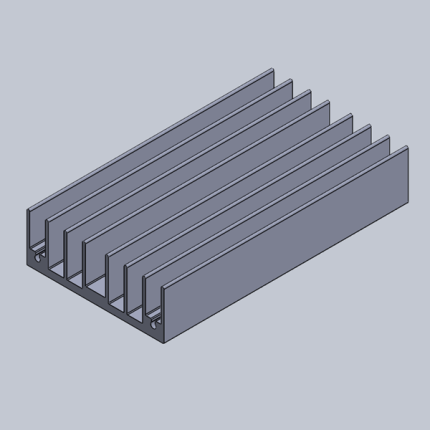
In Selangor, anodized aluminium is widely used for architectural window frames, curtain walls, and signage due to its corrosion resistance and aesthetic finish. The automotive sector employs it for trim, heat sinks, and brake components, while electronics manufacturers rely on it for enclosures, heat sinks, and connector housings requiring durability and electrical insulation.
Additional uses include lighting fixtures, furniture components, and marine hardware where exposure to moisture and salt is prevalent.
Frequently Asked Questions (FAQs)
The frequently asked questions cover film thickness, weldability, environmental impact, maintenance, and colour matching for anodized aluminium in Selangor. Each question is answered concisely to help manufacturers quickly assess suitability and process requirements.
What is the typical thickness of anodized aluminium film?
Standard sulphuric acid anodizing produces a coating thickness of 12 to 25 micrometres, while hard coat anodizing can reach 50 to 100 micrometres for increased wear resistance. These ranges depend on the electrolyte voltage, time, and sealing process used.
Can anodized aluminium be welded or machined after the process?
Welding through the anodic layer is not recommended as it damages the oxide and compromises corrosion resistance. Machining is possible but will remove the coating locally, requiring re‑anodizing of the affected area to restore protection.
Is anodizing environmentally friendly compared to other finishing methods?
Yes, the sulphuric acid anodizing process generates minimal volatile organic compounds and the baths can be recycled, making it greener than many solvent‑based paints or plating processes. Additionally, the primary by‑product is aluminium hydroxide, which is non‑hazardous and can be safely disposed of or reused.
How do I maintain anodized aluminium surfaces?
Clean the surface with mild soap and water using a soft cloth; avoid abrasive cleaners or pads that could scratch the oxide layer. For stubborn stains, apply a non‑abrasive pH‑neutral cleaner, rinse thoroughly, and dry with a lint‑free towel.
Can I get a custom colour match for my anodized parts?
Most anodizing suppliers can match RAL, Pantone, or custom colour samples by adjusting dye concentration and sealing conditions. Providing a physical sample or a certified colour chart ensures the best accuracy and repeatability.