

Aluminium Engineering Services in Selangor, Malaysia: Expert Fabrication & Alloy Solutions

Aluminium Engineering Services in Selangor, Malaysia: Expert Fabrication & Alloy Solutions
What does aluminium engineering involve in Selangor, Malaysia?
Aluminium engineering in Selangor involves selecting appropriate aluminium alloys, designing components with CAD, and fabricating them through cutting, forming, welding, and surface treatment to produce lightweight, corrosion‑resistant parts for construction, automotive, and industrial applications across Malaysia. These services support local manufacturers and multinational firms requiring high‑precision, code‑compliant solutions.
Selangor’s thriving industrial hub hosts numerous fabricators that serve both local SMEs and multinational companies seeking reliable, high‑precision aluminium solutions.
Which aluminium alloys are commonly used for fabrication in Selangor?
The most frequently used aluminium alloys in Selangor fabrication are 6061 for structural frames, 5052 for marine and panel applications, 7075 for high‑strength aerospace‑grade parts, and 3003 for general‑purpose sheet metal. These alloys provide varying strength, weldability, and corrosion resistance to meet local engineering demands.
Alloy selection depends on factors such as load requirements, exposure environment, and fabrication methods like welding or extrusion.
How does the fabrication process work from design to delivery?
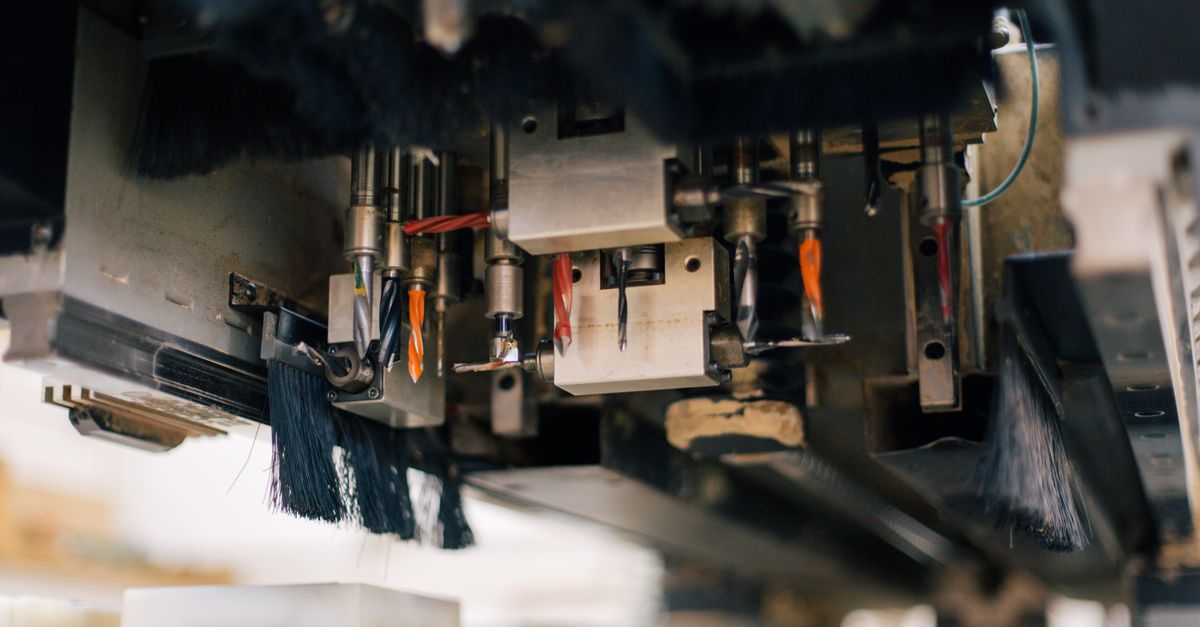
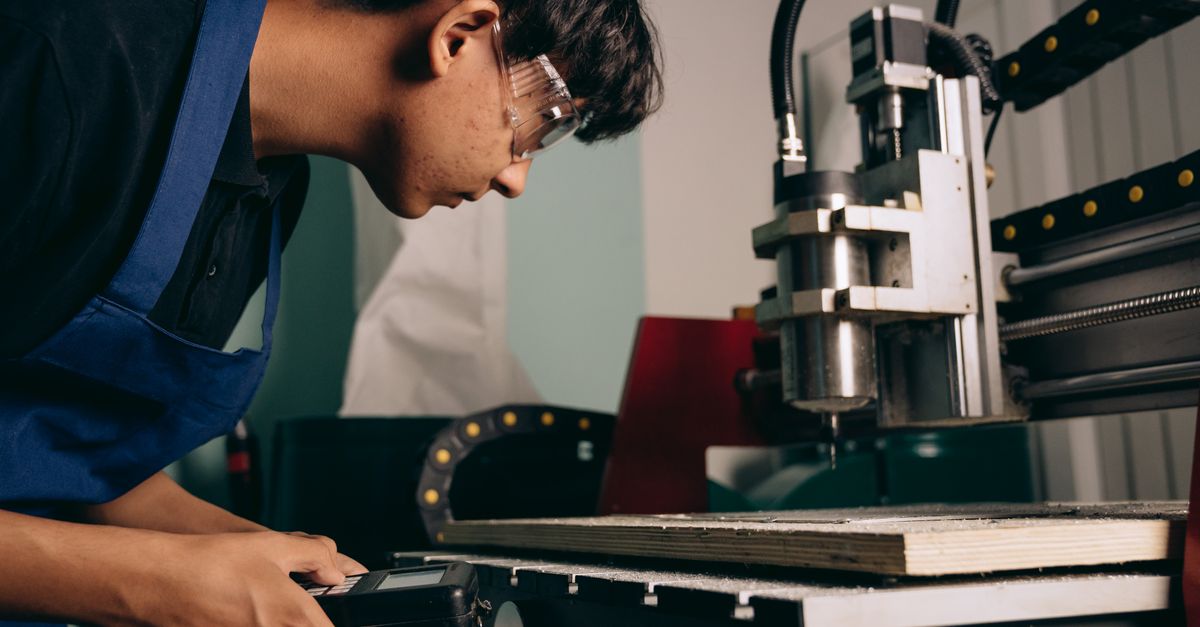
Fabrication starts with client consultation and CAD modelling, followed by alloy selection, cutting (saw or CNC), forming (bending or extrusion), joining (TIG/MIG welding), surface treatment (anodising or powder coating), quality inspection, and secure packaging for delivery to Selangor‑based projects, with timely logistics coordination.
- Consultation & CAD design – capture client requirements and create 3D models.
- Alloy selection – choose the appropriate grade based on mechanical and environmental needs.
- Cutting – saw or CNC cut the aluminium blanks to size.
- Forming – bend, extrude, or stretch the material into the desired shape.
- Joining – weld assemblies using TIG or MIG techniques for strong bonds.
- Surface treatment – apply anodising, powder coating, or mechanical polishing.
- Quality inspection – perform dimensional checks, non‑destructive testing, and surface finish verification.
- Packaging & delivery – securely pack components and arrange logistics to the project site.
Why choose a local aluminium engineering provider in Selangor?
Choosing a Selangor‑based aluminium engineering provider shortens lead times, reduces logistics costs, and ensures compliance with Malaysian building codes and standards. Local firms understand regional climate factors, offer faster response for design changes, and support the domestic supply chain while maintaining competitive pricing.
Being nearby also facilitates site visits, rapid prototyping, and easier coordination with other contractors involved in the project.
What quality standards and certifications should you expect?
Reputable Selangor aluminium fabricators adhere to ISO 9001 for quality management, ISO 14001 for environmental compliance, and often hold SIRIM or CIDB certifications for construction products. Mechanical testing follows ASTM B209, while welding procedures comply with AWS D1.2, ensuring traceable performance and safety.
These certifications give clients confidence that fabricated parts meet rigorous safety, durability, and environmental criteria required for public infrastructure and private developments.
How can businesses request a quote or consultation from Kamco Aluminium?
Businesses can request a quote by visiting Kamco Aluminium’s service page, filling the online inquiry form with project details, alloy preferences, and timelines, or calling the Selangor office directly. A technical engineer responds within 24 hours to discuss specifications, provide a free quotation, and schedule a site assessment if needed.
The company’s dedicated engineering team also offers free feasibility studies and can suggest value‑engineering alternatives to optimise cost and performance.
Frequently Asked Questions (FAQs)
What is the typical lead time for aluminium fabrication in Selangor?
Lead times generally range from two to four weeks for standard projects, depending on complexity and material availability. Expedited services can shorten this to one week for urgent requirements.
Can aluminium be recycled after use in engineering projects?
Yes, aluminium is 100 % recyclable without loss of properties, making it an environmentally friendly choice. Recycling scrap aluminium saves up to 95 % of the energy needed to produce primary metal.
What surface finishes are available for aluminium components?
Common finishes include mill finish, brushed, anodised (clear or coloured), powder coating, and polishing. Each finish offers different aesthetic appeal and corrosion resistance levels.
Is welding aluminium different from welding steel?
Aluminium welding requires specialized techniques such as TIG or MIG with AC balance and proper filler rods due to its high thermal conductivity and oxide layer. Pre‑cleaning and precise heat control are essential to avoid porosity and cracking.
How do I ensure the aluminium alloy chosen meets structural requirements?
Consult with a qualified engineer who can review load calculations, environmental exposure, and design codes. Selecting the alloy based on verified mechanical test reports ensures compliance with safety standards.