

Aluminium Bending Services in Selangor, Malaysia: Expert Guide & Best Practices

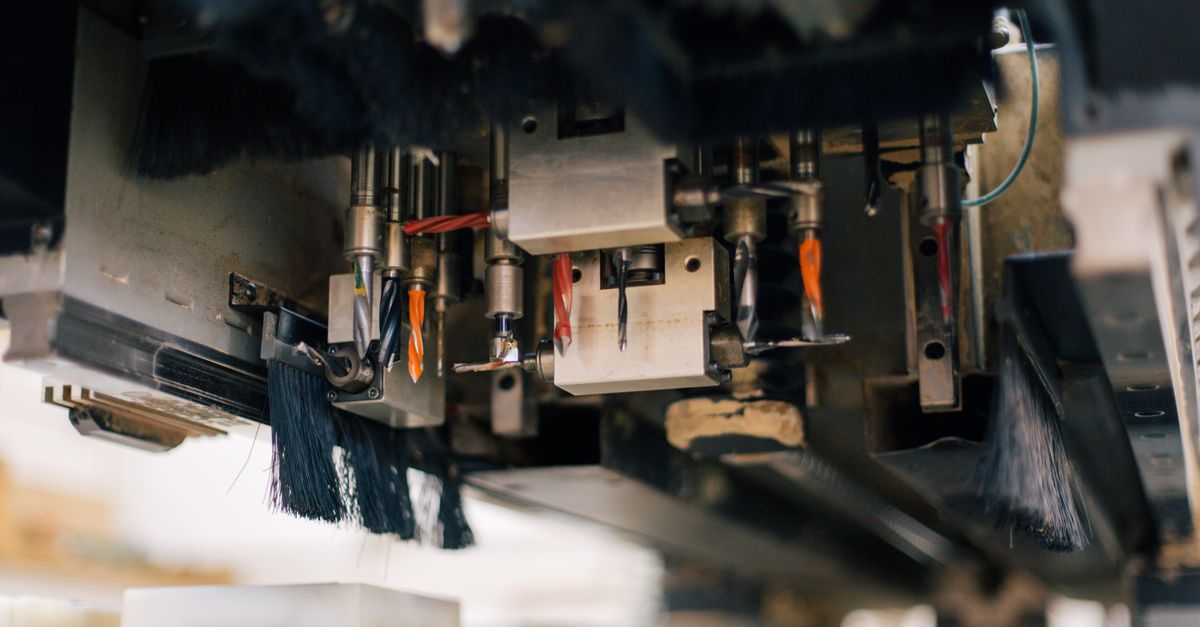
What is aluminium bending and why is it used in Selangor’s manufacturing sector?
Aluminium bending is the plastically forming of aluminium sheet or profile to a specific angle using press brakes or rollers without cracking. In Selangor’s manufacturing sector it is favoured for lightweight, corrosion‑resistant parts such as electronics housings, automotive brackets, and architectural façades due to its high strength‑to‑weight ratio and ease of fabrication.
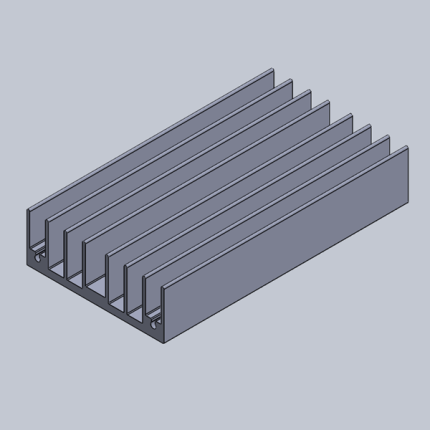
The process enables rapid production of complex geometries while maintaining tight tolerances. Common applications include brackets, heat sinks, enclosures, and decorative panels. Selangor’s proximity to major ports and logistics hubs further supports just‑in‑time delivery for both local and export markets.
Which industries in Selangor benefit most from aluminium bending?
The industries that benefit most from aluminium bending in Selangor are electronics manufacturing (enclosures, heat sinks), automotive suppliers (brackets, chassis), construction (window frames, cladding, roofing), and marine builders (salt‑resistant fixtures). These sectors rely on consistent bends to meet performance, weight, and aesthetic standards.
Key advantages stem from aluminium’s low density, which reduces overall product weight, and its natural oxide layer that provides corrosion protection without additional coating.
What are the key advantages of bending aluminium over other metals?
Bending aluminium offers superior weight reduction, excellent corrosion resistance, and high thermal conductivity compared with steel or copper. It requires less force for the same bend radius, reduces tool wear, and allows intricate shapes without cracking when proper alloy temper and bend radius are observed, lowering material costs and speeding production.
These benefits lower material costs, speed production, and extend product lifespans in Selangor’s market.
How does the aluminium bending process work step‑by‑step?
The aluminium bending process starts with material selection and layout, then clamps the workpiece in a press brake where a punch forces the metal into a die to form the desired angle. After releasing, the part is inspected for spring‑back and may undergo deburring or surface treatment before final use.
A typical workflow includes: 1) CAD model creation, 2) tooling selection, 3) CNC programming, 4) test bend, 5) adjustment for spring‑back, 6) production run, and 7) final inspection.
What equipment is required for precision aluminium bending?
Precision aluminium bending requires a CNC press brake with sufficient tonnage, precision‑ground punches and dies, and reliable back‑gauges for repeatable positioning. Additional tools include V‑blocks for rotary bending, rotary benders for tubular profiles, and laser measurement systems to verify bend angles.
Regular maintenance of the press brake, including hydraulic checks and wear monitoring, is essential to maintain accuracy.
What are the common bending techniques (air bending, bottoming, coining)?
The three primary techniques are air bending, where the punch does not fully contact the die for flexible angle adjustment; bottoming, which forces the material onto the die for higher accuracy and reduced spring‑back; and coining, which applies high pressure to permanently deform the metal, achieving the highest precision but demanding greater tonnage and causing more tool wear.
Each technique suits different production volumes and tolerance requirements: air bending for prototypes and low‑medium volumes, bottoming for mid‑range accuracy, and coining for high‑precision, high‑volume parts.
What tolerances and quality standards apply to aluminium bending in Malaysia?
In Malaysia, aluminium bending typically adheres to tolerances of ±0.5° for angle and ±0.2 mm for linear dimensions, referencing SIRIM MS ISO 9001 and ISO 2768‑m standards. Critical parameters include bend radius, spring‑back compensation, and surface finish, with fabricators providing material test certificates and performing first‑article inspection to confirm compliance.
Adherence to these standards ensures compatibility with automotive, aerospace, and building‑code specifications prevalent in the region.
How are bend radii and spring‑back calculated?
Bend radius is calculated using the formula R = (K × T) / (tan(θ/2)), where K is a material‑specific factor, T is thickness, and θ is the bend angle. Spring‑back is estimated as 1‑3 % elastic recovery for aluminium; the bend angle is adjusted during tooling setup to compensate and achieve the target final angle.
Software tools such as CAD‑CAM packages often include built‑in bend‑allowance calculators to streamline this process.
What inspection methods ensure compliance with SIRIM or ISO standards?
Compliance is verified using coordinate measuring machines (CMM) for angular and linear accuracy, optical profilometers for surface roughness, and dye‑penetrant or ultrasonic testing to detect cracks. Visual inspection against approved first‑article samples, dimensional gauges for bend radius, and documentation of material certificates complete the quality gate.
Regular audits and traceability records help maintain certification and customer confidence.
Where can you find reliable aluminium bending services in Selangor?
Reliable aluminium bending services in Selangor are offered by established fabricators such as Kamco Aluminium, which operates a modern press‑brake workshop in Shah Alam and serves industries from electronics to construction. Additional options include ISO‑certified workshops listed on the Selangor Industrial Development Authority (SIDA) directory and local metal‑working SMEs in Petaling Jaya and Klang.
Choosing a local partner reduces lead times, simplifies logistics, and supports the regional economy.
What should you look for when choosing a fabricator?
When selecting a fabricator, verify their press‑brake capacity, tooling range, and experience with the specific aluminium alloy you require. Check for ISO 9001 certification, in‑house inspection capabilities, lead‑time guarantees, and request samples or a first‑article report, clear pricing, material traceability, and after‑sales support for any bending‑related issues.
Visiting the facility or reviewing case studies can also help assess their technical competence and reliability.
How does Kamco Aluminium support local projects?
Kamco Aluminium supports local Selangor projects by providing in‑house design assistance, CNC press‑brake bending with tolerances down to ±0.2 mm, and rapid prototyping services. Their team collaborates with engineers to optimise bend sequences, minimise material waste, and deliver finished parts on schedule, with capabilities detailed at https://kamcoaluminium.com/services/.
Learn more about their capabilities at the provided link.
Frequently Asked Questions (FAQs)
The FAQs section provides concise, two‑sentence answers to common questions about aluminium bending in Selangor, covering process capabilities, tolerances, cost factors, material selection, and where to find trusted fabricators. It helps engineers and procurement professionals quickly verify technical details and make informed sourcing decisions.
- What is the typical lead time for aluminium bending services in Selangor?
- Lead times usually range from 3 to 7 working days for standard parts, depending on complexity and shop capacity. Expedited options can reduce this to 24‑48 hours for simple bends.
- How does alloy choice affect bending feasibility?
- Softer alloys like 3003 and 5052 bend easily with minimal spring‑back, while stronger alloys such as 6061 require higher tonnage and careful bend radius selection. Choosing the right temper (e.g., H32 vs H111) further influences formability and final strength.
- What are the cost drivers for aluminium bending projects?
- Primary cost drivers include material price, press‑brake tonnage usage, tooling setup time, and any secondary operations like deburring or surface finishing. Volume discounts and design for manufacturability can significantly lower per‑part expenses.
- Can aluminium be bent to tight radii without cracking?
- Yes, aluminium can achieve tight radii down to approximately 1× material thickness when using appropriate alloy temper and proper lubrication. Exceeding this limit risks cracking, so fabricators perform bend‑allowance calculations and test pieces before full production.
- How do I ensure the bent part meets required strength?
- Verify that the bend does not exceed the material’s elastic limit by checking spring‑back calculations and conducting hardness tests on the bent region. Additionally, request a material test certificate and perform a tensile test on a sample coupon if structural integrity is critical.