

Aluminium Extrusion in Selangor: Process, Benefits & Local Suppliers

What is aluminium extrusion and how does it work?
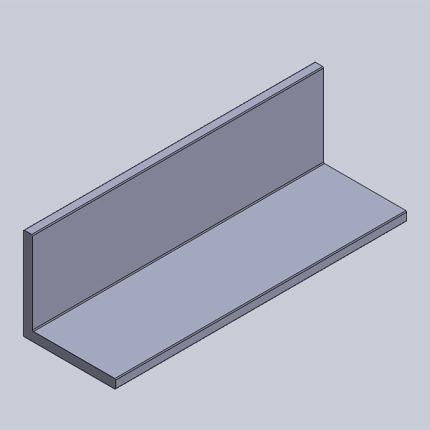
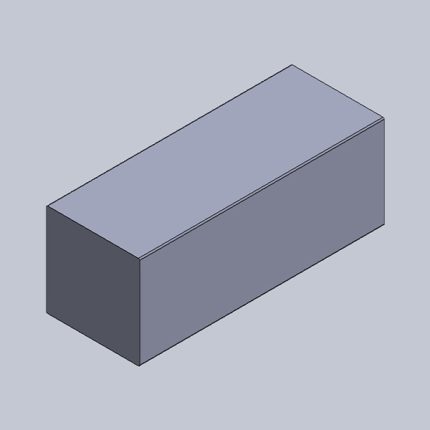
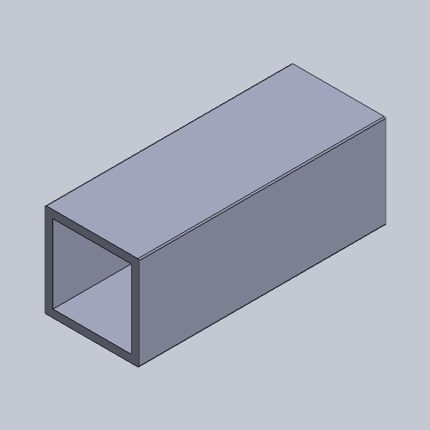
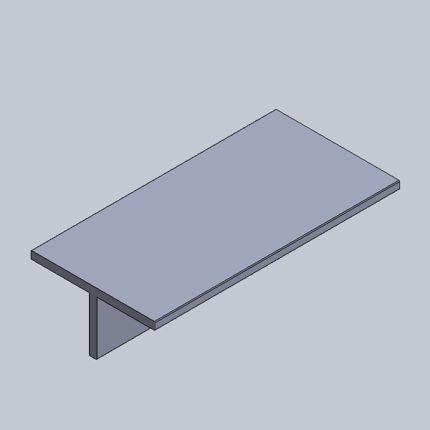
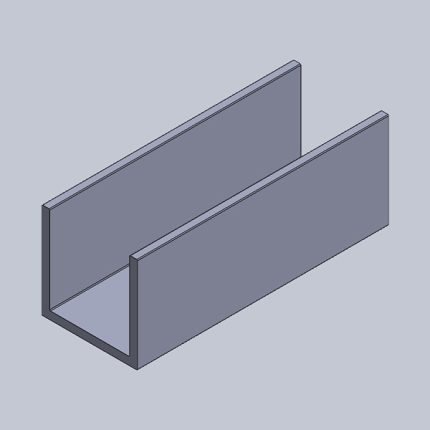
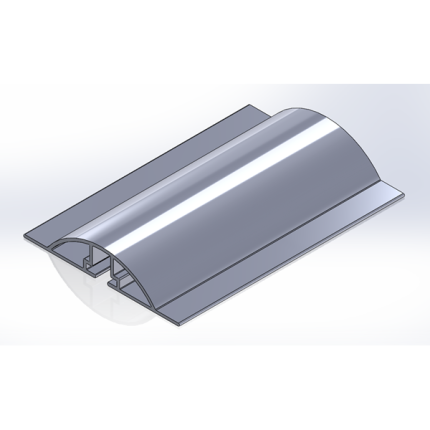
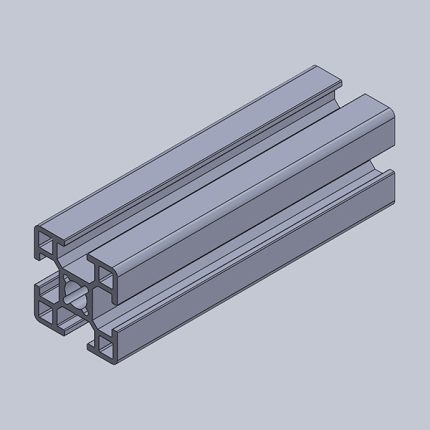
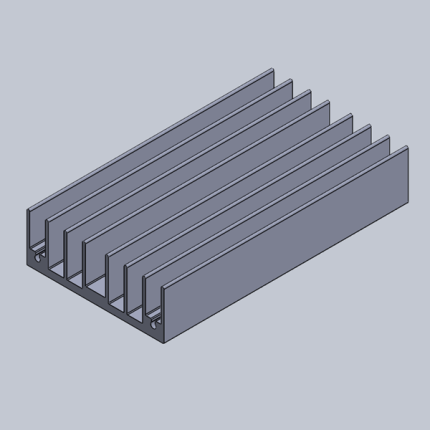
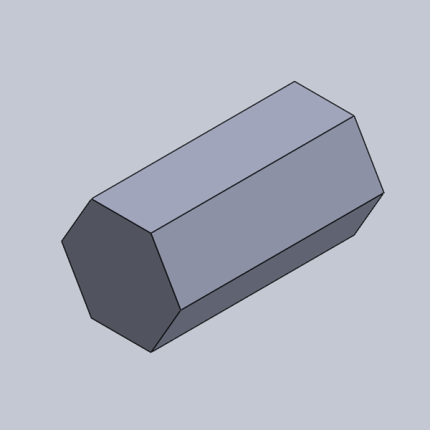
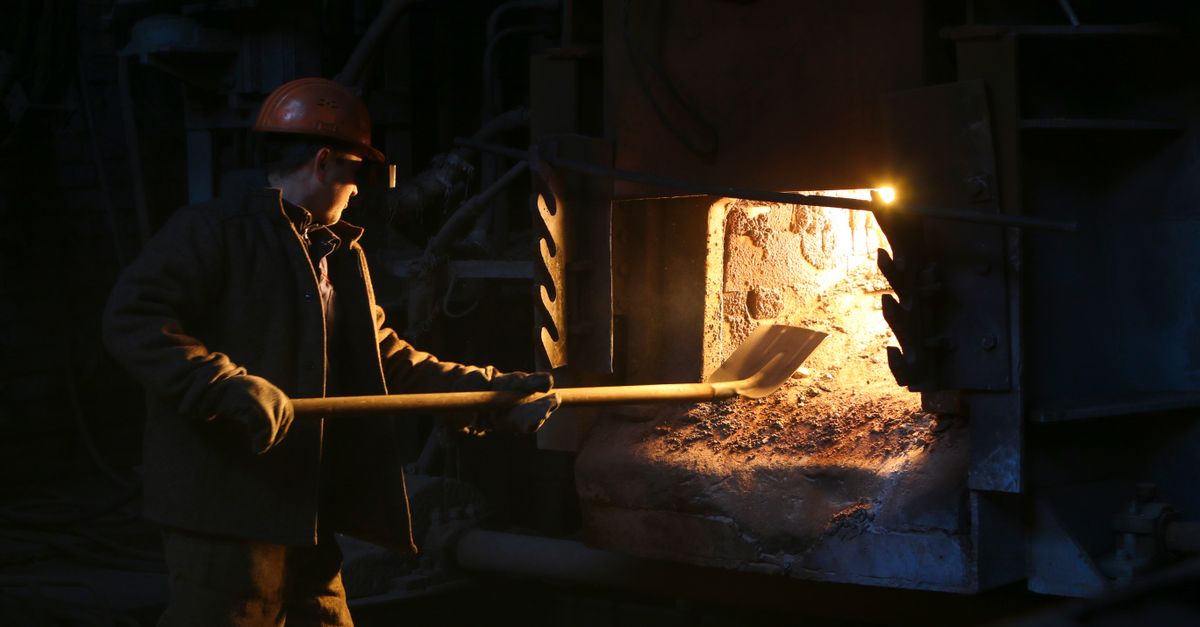
Aluminium extrusion is a manufacturing process where a heated aluminium billet is forced through a shaped die to produce long profiles with a uniform cross‑section. The technique exploits aluminium’s high malleability and strength, enabling complex shapes for construction, automotive, and industrial applications.
Additional details can be found on the Wikipedia page for extrusion here.
What are the main steps in the aluminium extrusion process?
The process begins by pre‑heating aluminium billets to 400‑500 °C, loading them into a container, and pushing them with a hydraulic ram through a precision‑machined die. The extruded strand is then cooled, stretched to relieve stress, cut to length, and may undergo heat‑treatment or surface finishing.
Each stage is monitored with sensors to ensure temperature uniformity and dimensional accuracy, which is critical for maintaining tight tolerances in high‑precision applications such as automotive heat sinks and architectural curtain walls.
Why choose aluminium extrusion for manufacturing in Selangor?
Choosing aluminium extrusion in Selangor reduces material waste, shortens production cycles, and yields lightweight yet strong components. The local ecosystem offers skilled labour, modern presses, efficient logistics, proximity to Port Klang, and government incentives for low‑carbon manufacturing, lowering costs for export‑oriented projects.
Which alloys are commonly used in aluminium extrusion?
The most frequently used alloys are the 6000 series, especially 6063 and 6061. 6063 offers excellent extrudability, a smooth finish for architectural applications, while 6061 provides higher strength and good machinability for load‑bearing frames, machinery, and transport equipment. Both alloys respond well to heat treatment and are readily available from local suppliers.
What cost advantages does aluminium extrusion provide locally?
Aluminium extrusion lowers per‑part costs by minimising machining, enabling high‑volume runs with little scrap. In Selangor, competitive energy rates, green‑manufacturing incentives, and in‑house scrap recycling further reduce overhead, allowing fabricators to offer competitive pricing while maintaining consistent quality for export projects.
How does die design affect extrusion quality?
A well‑engineered die balances metal flow and pressure distribution, preventing defects such as cracking or orange‑peel texture. Proper land lengths and flow‑dividers ensure uniform dimensions and surface finish, which is essential for high‑precision sectors like aerospace, electronics, and automotive heat sinks.
Finite element analysis is often used during die development to simulate metal flow and optimise land lengths, ensuring consistent output even when running complex multi‑hole profiles.
Where to find reliable aluminium extrusion services in Selangor, Malaysia?
Reliable providers combine modern extrusion presses, in‑house die‑making, and value‑added operations such as CNC machining, anodising, and powder coating. One trusted source is Kamco Aluminium, which offers ISO‑certified capabilities, technical support, and full‑service fabrication from design to final inspection.
These suppliers typically serve construction, automotive, and consumer goods industries across Malaysia.
What factors should you consider when selecting an extrusion partner?
Evaluate press capacity, alloy expertise, lead times, and quality certifications such as ISO 9001. Also assess secondary‑operation capabilities, technical support, logistical flexibility, and the willingness to provide samples or facility tours to verify that the supplier meets your specific product requirements and volume.
Visiting the facility to review equipment calibration and sample previous work can also help verify that the supplier’s capabilities match your specific product requirements and production volumes.
Frequently Asked Questions (FAQs)
- What is the typical lead time for an aluminium extrusion order in Selangor?
- Lead times usually range from 2 to 4 weeks for standard profiles, depending on die availability and order volume. Custom dies may add an additional week for design and trial runs.
- Can aluminium extrusion be used for outdoor applications in Malaysia’s tropical climate?
- Yes, when alloys such as 6063 are paired with protective finishes like anodising or powder coating, the extruded profiles resist corrosion and UV degradation, making them suitable for outdoor use.
- Is there a minimum order quantity for aluminium extrusion services?
- Most extrusion houses accept orders as low as 50 kilograms, but economies of scale improve pricing for runs above 500 kilograms. It is best to discuss volume discounts directly with the supplier.
- How does extrusion compare to other aluminium forming methods like casting?
- Extrusion produces longer, uniform profiles with better mechanical properties due to grain flow alignment, whereas casting is better suited for complex three‑dimensional shapes but may have higher porosity and lower strength.