

Aluminium Infrastructure Solutions for Sustainable Development in Selangor, Malaysia

What are the key benefits of using aluminium in infrastructure projects in Selangor?
Aluminium provides lightweight strength, corrosion resistance, and design flexibility ideal for Selangor’s humid tropical climate and rapid urbanisation. Its high strength‑to‑weight ratio reduces foundation loads, speeds construction, and its recyclability supports Malaysia’s sustainability goals, lowering lifecycle costs and improving safety for bridges, buildings, and transit systems.
- Lightweight: Density about one‑third that of steel, reducing transport and foundation costs.
- Corrosion resistance: Natural oxide layer protects against moisture and salt‑spray.
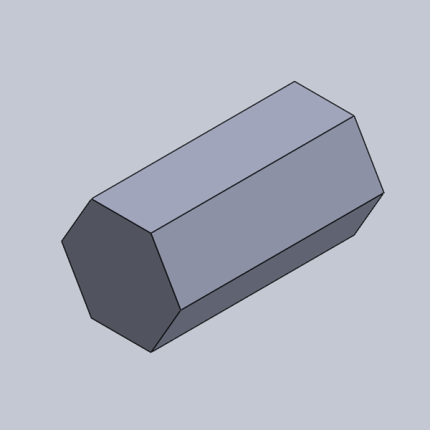
- Design flexibility: Easy extrusion into complex shapes for architectural façades.
- Recyclability: Can be recycled repeatedly without loss of quality.
- Fire performance: Non‑combustible and retains strength at elevated temperatures.
How does aluminium infrastructure contribute to sustainability in Malaysia?
Aluminium infrastructure boosts sustainability by enabling high recycling rates, lowering embodied energy, and cutting greenhouse‑gas emissions across a project’s life cycle. In Selangor, using recycled aluminium can save up to 95 % of primary energy, aligns with national low‑carbon targets, and its durability reduces replacement frequency, conserving resources and waste.
What recycling rates can be expected for aluminium used in Selangor?
In Selangor, post‑consumer aluminium scrap typically achieves recycling rates of 70‑85 % for construction applications, with closed‑loop systems exceeding 90 % when collected via dedicated municipal programmes. These rates surpass the global average of ~60 %, greatly reducing bauxite extraction while preserving material quality for indefinite reuse.
- Collection streams: Separate scrap from demolition, off‑cuts, and manufacturing waste.
- Processing steps: Sorting, shredding, remelting, and casting into billets or extrusions.
- Quality assurance: Spectrometric testing ensures alloy composition meets specifications.
How does aluminium reduce carbon footprint compared to steel?
Aluminium production emits roughly 0.5 t CO₂ per tonne when recycled, versus 1.8‑2.2 t CO₂ for primary steel, giving aluminium a lower carbon intensity in Selangor’s construction sector. Factoring in lighter weight cuts transport emissions and foundation loads, reducing lifecycle greenhouse‑gas output by up to 30‑40 % versus comparable steel structures.
- Transport savings: Up to 25 % less fuel for hauling lighter sections.
- Foundation reduction: Smaller pile caps and footings due to lower dead load.
- Operational phase: Reflective roofing lowers building cooling loads.
Which types of infrastructure in Selangor commonly use aluminium?
In Selangor, aluminium is widely used in bridges and overpasses, roofing and cladding for commercial high‑rises, and components of light‑rail transit (LRT) and monorail systems. Its corrosion resistance suits coastal and flood‑prone areas, while its ease of fabrication supports rapid modular construction, leveraging its strength‑to‑weight ratio for longer spans and reduced foundations.
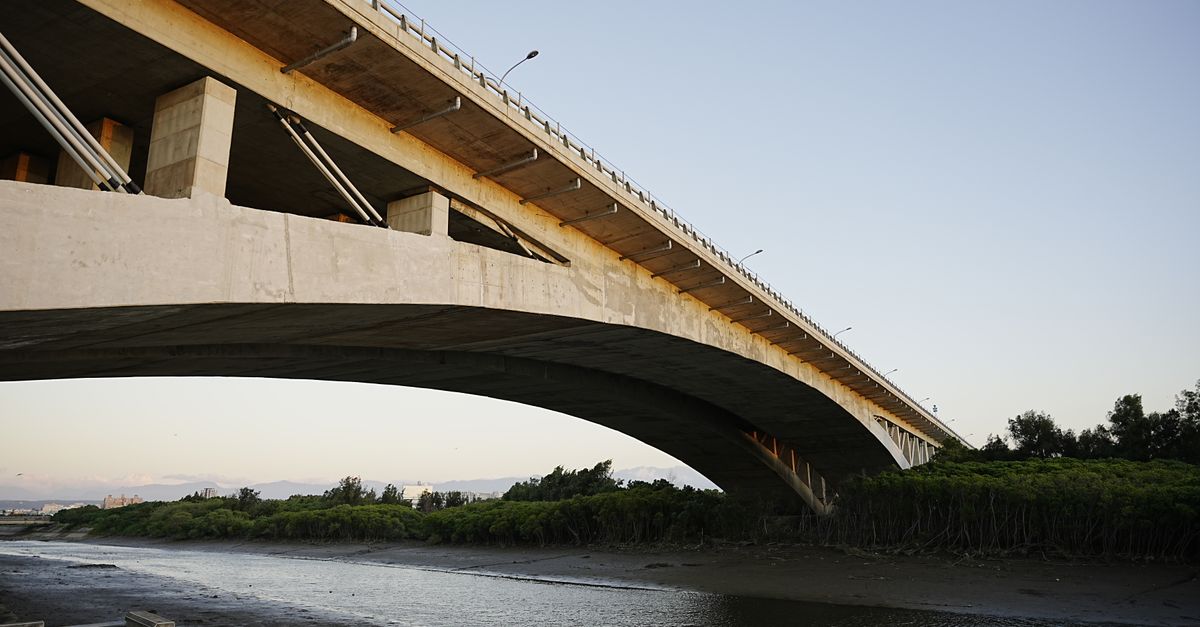
Bridges and overpasses
Aluminium bridges in Selangor use extruded or alloyed sections that provide high tensile strength while weighing up to 60 % less than steel equivalents, enabling longer spans with lighter foundations. The natural oxide layer protects against humidity and occasional salt‑spray, giving service lives over 50 years with minimal maintenance, and prefabricated deck panels speed installation.
- Design considerations: Deflection limits, fatigue resistance, and connection detailing.
- Fabrication methods: CNC machining, friction stir welding, and bolted splices.
- Maintenance: Periodic cleaning and recoating of protective finishes every 10‑15 years.
Roofing and cladding for commercial buildings
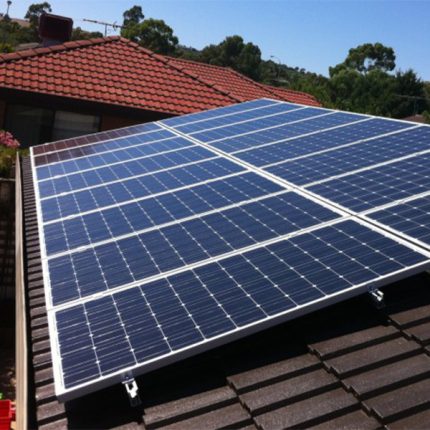
Aluminium roofing and cladding panels in Selangor provide weather resistance, reflecting solar radiation to lower cooling loads in tropical buildings. The material’s formability allows complex geometries and drainage systems, while its lightweight nature reduces structural support requirements, and protective finishes such as PVDF or anodizing ensure 20‑30 year performance despite heavy rainfall and UV exposure.
- Finish options: PVDF coating for colour stability, anodizing for hardness, powder coat for cost‑effectiveness.
- Installation: Standing seam, snap‑lock, or cassette systems with concealed fasteners.
- Performance testing: Wind uplift, water penetration, and impact resistance per MS standards.
Transportation systems (light rail, LRT)
Selangor’s LRT and monorail systems employ aluminium for car bodies, bogies, and guideway components, exploiting its high strength‑to‑weight ratio to increase passenger capacity while reducing energy consumption per kilometre. Aluminium’s corrosion resistance ensures longevity in the humid, saline‑influenced environment near the Klang Valley coast, and modular sections facilitate faster maintenance and upgrades.
- Weight savings: Up to 35 % lighter car bodies versus steel, improving acceleration.
- Corrosion protection: Marine‑grade alloys (e.g., 6061‑T6) with chromate conversion coating.
- Modularity: Pre‑assembled bogie units enable quick replacement during maintenance windows.
What are the cost considerations for aluminium infrastructure in Selangor?
Although aluminium’s upfront material cost can be 20‑30 % higher than steel, lifecycle savings from reduced maintenance, lighter foundations, and faster installation often offset the premium within 5‑10 years in Selangor projects. Recyclability adds residual value at end‑of‑life, while fabrication reduces import duties and lead times, making aluminium cost‑effective for bridges, roofing, and transit components.
- Initial cost: RM 25‑35 per kg for extruded aluminium vs RM 18‑22 per kg for structural steel.
- Maintenance savings: Estimated 40‑60 % lower O&M costs over 30 years.
- Residual value: Scrap aluminium fetches RM 4‑6 per kg at end‑of‑life.
- Financing options: Green‑loan incentives may apply for sustainable material choices.
How to select a reliable aluminium supplier in Selangor?
Choosing a reliable aluminium supplier in Selangor requires verifying certifications such as ISO 9001 and ISO 14001, assessing extrusion and finishing capabilities, and reviewing local project references. Proximity to Selangor’s industrial zones shortens lead times, while suppliers offering integrated design‑to‑installation services provide technical support, warranty options, and spare‑parts availability.
- Certifications: ISO 9001 (quality), ISO 14001 (environmental), OHSAS 18001 (safety).
- Capabilities: In‑house extrusion press (up to 800 t), CNC machining, surface treatment lines.
- References: Past projects such as the Selangor LRT viaduct, Klang Valley airport canopy, and Putrajaya government office cladding.
- Logistics: Warehouse near Port Klang or Shah Alam for just‑in‑time delivery.
- After‑sales: Technical advisory, warranty on finishes (10‑15 years), and spare‑parts availability.
Frequently Asked Questions (FAQs)
What is the typical lifespan of an aluminium bridge in Selangor?
Aluminium bridges in Selangor commonly exceed 50 years of service with minimal maintenance, thanks to the protective oxide layer and durable finishes applied during fabrication.
How much lighter is aluminium compared to steel for structural use?
Aluminium’s density is about one‑third that of steel, giving a weight reduction of roughly 60‑70 % for equivalent strength sections.
Can aluminium be used in coastal infrastructure without additional protection?
While aluminium naturally resists corrosion, marine‑grade alloys and protective coatings are recommended for prolonged exposure to salt‑spray in Selangor’s coastal zones.
Is aluminium recycling economically viable for contractors in Selangor?
Yes, recycled aluminium fetches RM 4‑6 per kg and reduces energy costs by up to 95 %, making it both environmentally and financially attractive.
Where can I view a catalogue of aluminium infrastructure services available in Selangor?
A comprehensive list of services, including extrusion, finishing, and installation support, is available at https://kamcoaluminium.com/services/.