

Aluminium Profile Manufacturing in Selangor, Malaysia: Guide, Applications & Suppliers

Aluminium Profile Manufacturing in Selangor, Malaysia: Guide, Applications & Suppliers
What is an aluminium profile and how is it manufactured in Selangor?
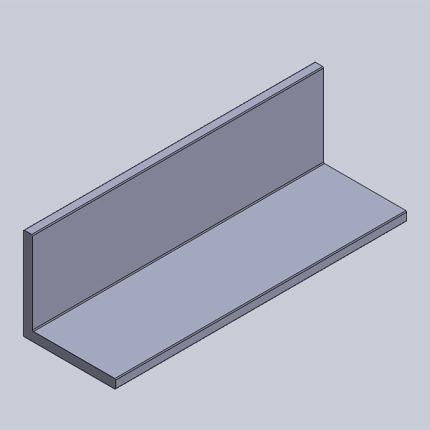
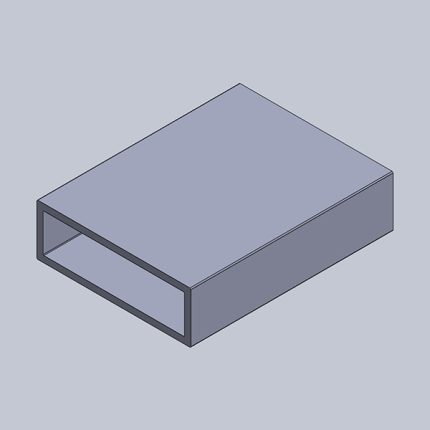
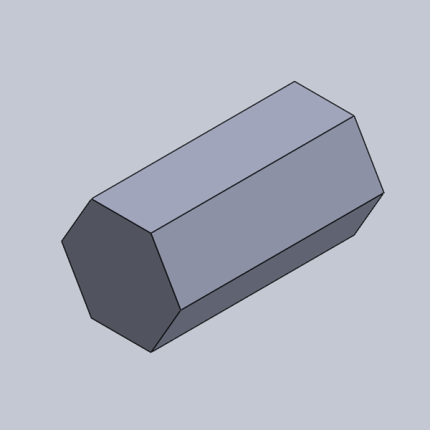
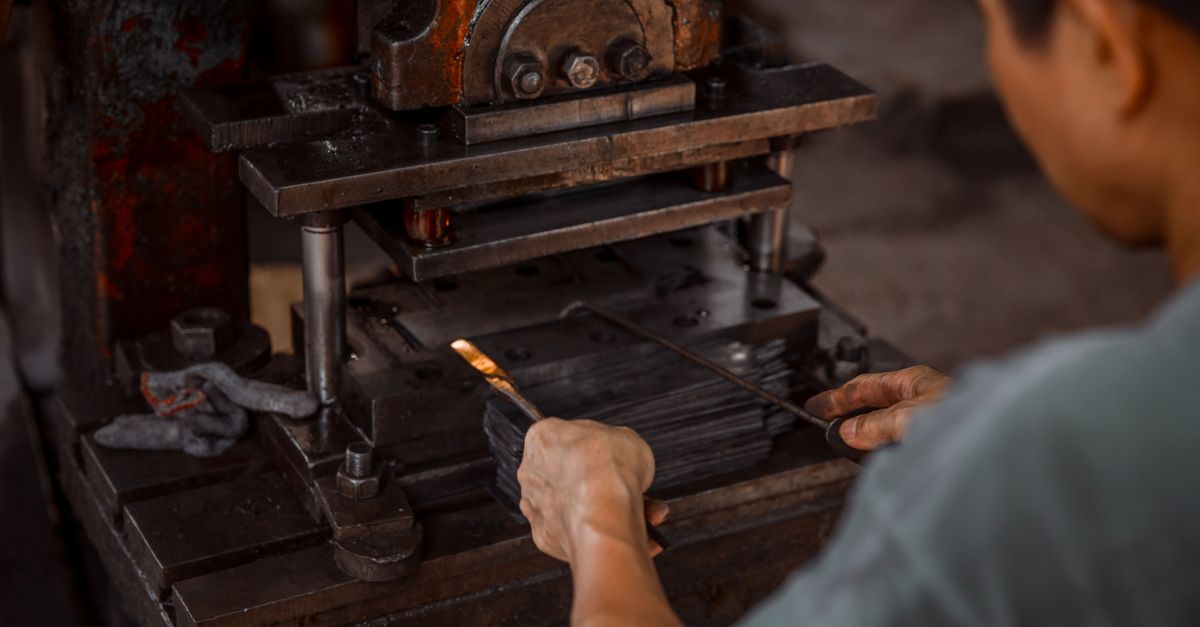
An aluminium profile is a shaped extrusion produced by heating aluminium alloy billets and forcing them through a die to create angles, channels, tubes or custom cross‑sections. In Selangor, manufacturers use extrusion presses, precise temperature control, and subsequent cutting, machining and surface‑treatment steps to deliver profiles that meet construction, automotive and industrial standards.
The process begins with heating billets to 450‑500 °C in a furnace, followed by pushing the hot billet through a steel die using a hydraulic press. After extrusion, profiles are cooled on a run‑out table, stretched to straighten, cut to required lengths and undergo ageing or heat treatment to enhance strength before final machining, drilling or surface coating.
What raw materials are used for aluminium extrusion in Selangor?
Aluminium extrusion in Selangor primarily uses ingots from alloys 6063, 6061 and 6005, which contain magnesium and silicon for strength and extrudability. These alloys offer good corrosion resistance, weldability and a smooth surface finish after extrusion, and manufacturers often blend recycled aluminium scrap with virgin material to lower costs and environmental impact while preserving mechanical properties.
Billet temperature is monitored with pyrometers to ensure consistent flow through the die, and the alloy composition is verified via spectrometry before extrusion to maintain quality.
What are the key steps in the aluminium extrusion process?
The aluminium extrusion process in Selangor starts by heating billets to 450‑500 °C, then pushing the hot billet through a steel die with a hydraulic press to form the desired cross‑section. After extrusion, the profile is cooled, stretched to straighten, cut to length, aged or heat‑treated for strength, and finally undergoes machining, drilling or surface coating.
Quality control includes dimensional checks with laser gauges and surface inspections for defects such as scratches, porosity or uneven thickness.
How are aluminium profiles finished and treated in Selangor factories?
After extrusion, Selangor factories finish aluminium profiles by deburring edges, CNC machining for precision, and applying surface treatments such as anodising, powder coating or liquid painting. Anodising forms a hard, corrosion‑resistant oxide layer; powder coating delivers a UV‑stable colour finish; brushing or polishing yields a metallic look for architectural uses.
Additional treatments may include sublimation printing for wood‑grain effects and liquid painting for custom colours, with final inspection ensuring coating adhesion and thickness meet specifications.
Why choose aluminium profiles for construction and industrial projects in Selangor?
Aluminium profiles are favoured in Selangor’s construction and industrial sectors because they combine lightweight strength, corrosion resistance and ease of fabrication. Their high strength‑to‑weight ratio reduces structural load while maintaining durability, and the natural oxide layer protects against Malaysia’s humid tropical climate, making them ideal for high‑rise buildings, factories and infrastructure projects where weight savings lower foundation costs.
The ease of fabrication allows profiles to be cut, drilled, welded or powder‑coated on site, providing flexibility for architects, engineers and contractors seeking cost‑effective, sustainable solutions that support green building initiatives.
What corrosion resistance benefits do aluminium profiles offer in Malaysia’s climate?
Aluminium profiles naturally form a thin oxide layer when exposed to air, which self‑heals and protects the underlying metal from further oxidation. In Malaysia’s humid, tropical climate this layer resists rust and corrosion better than steel, lowering maintenance costs. Treatments such as anodising or powder coating can thicken the layer, providing long‑term durability for outdoor structures, façades and coastal installations.
Regular cleaning with mild detergents helps maintain the protective layer’s effectiveness over decades, especially in areas exposed to salt spray or industrial pollutants.
How does the strength‑to‑weight ratio of aluminium profiles affect structural design?
Aluminium’s strength‑to‑weight ratio is about one‑third that of steel while delivering comparable strength, allowing designers to reduce structural weight by up to 60 % without sacrificing load‑bearing capacity. In Selangor’s construction projects, lighter aluminium profiles decrease foundation loads, simplify handling and installation, enable longer spans or thinner sections, and translate into material savings, faster erection times and lower project costs.
Engineers often use finite element analysis to optimise profile shapes for specific load cases, ensuring safety and performance while maximising weight reduction benefits.
What finishing options are available for aluminium profiles in Selangor?
Selangor suppliers finish aluminium profiles with anodising, powder coating, brushed or polished surfaces, liquid painting or sublimation printing. Anodising forms a hard, corrosion‑resistant oxide layer; powder coating gives a durable, UV‑stable colour; brushed/polished yields a metallic look; liquid painting provides custom colours; sublimation adds wood‑grain or decorative patterns for architectural applications.
Finish selection depends on the profile’s exposure to weather, mechanical wear and design requirements, with anodising preferred for marine environments and powder coating widely used for colourful architectural façades.
Which industries in Selangor commonly use aluminium profiles and what are typical applications?
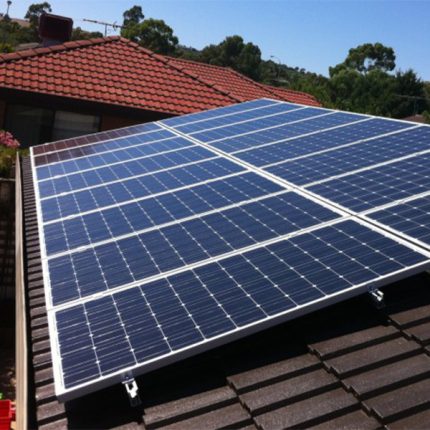
In Selangor, aluminium profiles serve construction, automotive, electronics and energy industries. Construction uses them for window and door frames, curtain walls, structural supports and roofing trusses. Automotive applies them to chassis components, heat exchangers and interior trim. Electronics uses them for heat sinks, enclosures and mounting brackets, while solar panel mounts rely on extruded aluminium for corrosion‑resistant frameworks.
These applications benefit from aluminium’s recyclability, supporting Malaysia’s green building initiatives and reducing the carbon footprint of manufacturing and construction projects.
How are aluminium profiles used in Selangor’s construction sector?
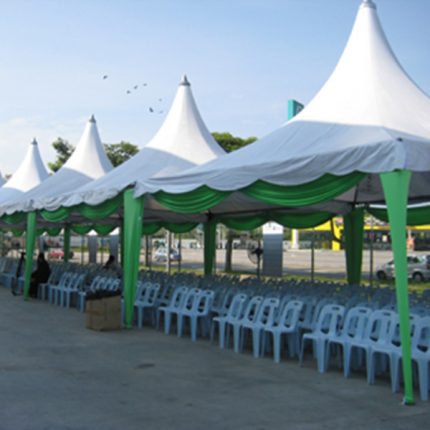
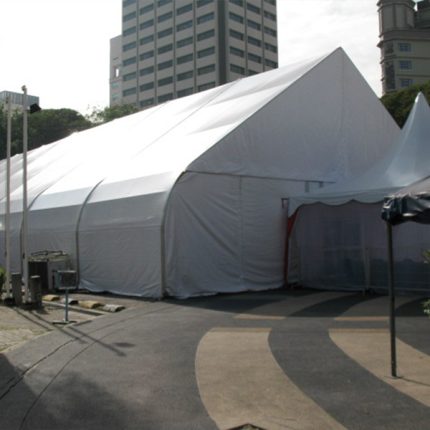
In Selangor’s construction sector, aluminium profiles are extruded into window and door frames, curtain wall mullions, roofing trusses and structural beams. Their lightweight nature reduces dead load on foundations, while corrosion resistance ensures longevity in humid conditions. Profiles are cut to length, drilled for fasteners and finished with anodising or powder coating to meet performance requirements for various building types.
Architects often specify powder‑coated profiles in corporate colours to achieve brand‑consistent façades, while anodised finishes are selected for high‑visibility exterior elements requiring maximum durability.
What role do aluminium profiles play in the automotive industry in Selangor?
In Selangor’s automotive industry, aluminium profiles form chassis components such as side impact beams, roof rails and suspension parts, boosting fuel efficiency and handling via their high strength‑to‑weight ratio. They also act as heat exchangers in radiators and intercoolers, and as interior trim for door panels and dashboards. Finishes like anodising or powder coating add corrosion resistance and visual appeal, helping meet ASEAN fuel‑economy and safety standards.
These components contribute to lighter vehicles, improved crash performance and compliance with regional emissions regulations.
Which electronics applications rely on aluminium profiles in Selangor?
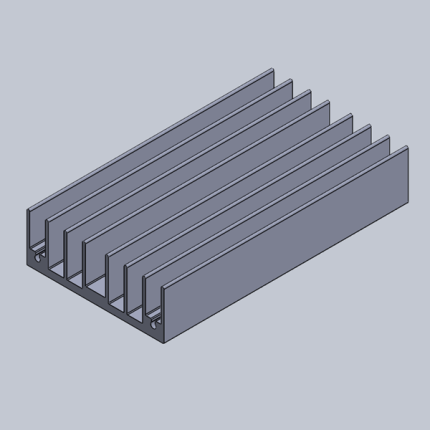
In Selangor’s electronics sector, aluminium profiles are used as heat sinks for power supplies, LED lighting and telecom equipment to dissipate heat efficiently. They also serve as enclosures and mounting brackets for control panels, chassis and battery packs, offering electromagnetic shielding and mechanical stability. Finishes such as anodising or powder coating improve corrosion resistance and enable colour coding for identification.
Thermal interface materials are often applied to maximise heat transfer from components to the aluminium heat sink, ensuring reliable operation of high‑power electronic devices.
Frequently Asked Questions (FAQs)
What is the typical lead time for aluminium profile orders in Selangor?
Most suppliers in Selangor deliver standard aluminium profiles within 2 to 4 weeks after order confirmation. Custom extrusions or special finishes may extend lead time to 6–8 weeks depending on die availability and production scheduling.
Can aluminium profiles be recycled after use?
Yes, aluminium is 100 % recyclable without loss of quality, and recycled profiles are commonly remelted into new billets for extrusion. This recycling loop reduces energy consumption by up to 95 % compared with primary aluminium production.
What thicknesses are available for aluminium profiles in Selangor?
Standard wall thicknesses range from 1.0 mm to 6.0 mm for most extrusion dies, with custom profiles available up to 12 mm for structural applications. Thickness selection depends on load requirements, deflection limits, and manufacturing capabilities.
How do I choose between anodising and powder coating for my project?
Anodising provides a hard, integrated oxide layer ideal for corrosion resistance and colour stability, while powder coating offers a thicker polymer film with broader colour options and better impact resistance. The choice depends on environmental exposure, aesthetic preferences, and budget constraints.
Are there any local standards governing aluminium profile quality in Selangor?
Manufacturers in Selangor typically follow MS 144 (Malaysian Standard) for aluminium extrusion tolerances and refer to international standards such as EN 755 or ASTM B221 for mechanical properties and surface finish. Compliance ensures compatibility with local building codes and export markets.