

Aluminium Manufacturing & Aluminium Profile Malaysia: Custom Extrusion Solutions for Engineering, Construction & Industrial Applications

Introduction
Aluminium manufacturing has become a core pillar of modern engineering, enabling industries to build lighter, stronger, and more efficient structures and systems. Among the most important outputs of aluminium manufacturing is the aluminium profile—a versatile structural component used across construction, transportation, industrial machinery, electronics, and architectural design.
In Malaysia and global markets, aluminium profiles are widely adopted due to their excellent strength-to-weight ratio, corrosion resistance, design flexibility, and sustainability. From simple framing systems to complex engineered structures, aluminium profiles form the backbone of modern fabrication and industrial innovation.
This article explores aluminium manufacturing processes, aluminium profile design and applications, extrusion technology, benefits, industry use cases, and how businesses can leverage custom aluminium profile solutions for long-term performance and cost efficiency.
What Is Aluminium Manufacturing?
Aluminium manufacturing refers to the industrial process of producing aluminium-based components through extrusion, machining, fabrication, and finishing.
A full aluminium manufacturing process typically includes:
- Aluminium billet selection
- Die design & extrusion
- Profile shaping
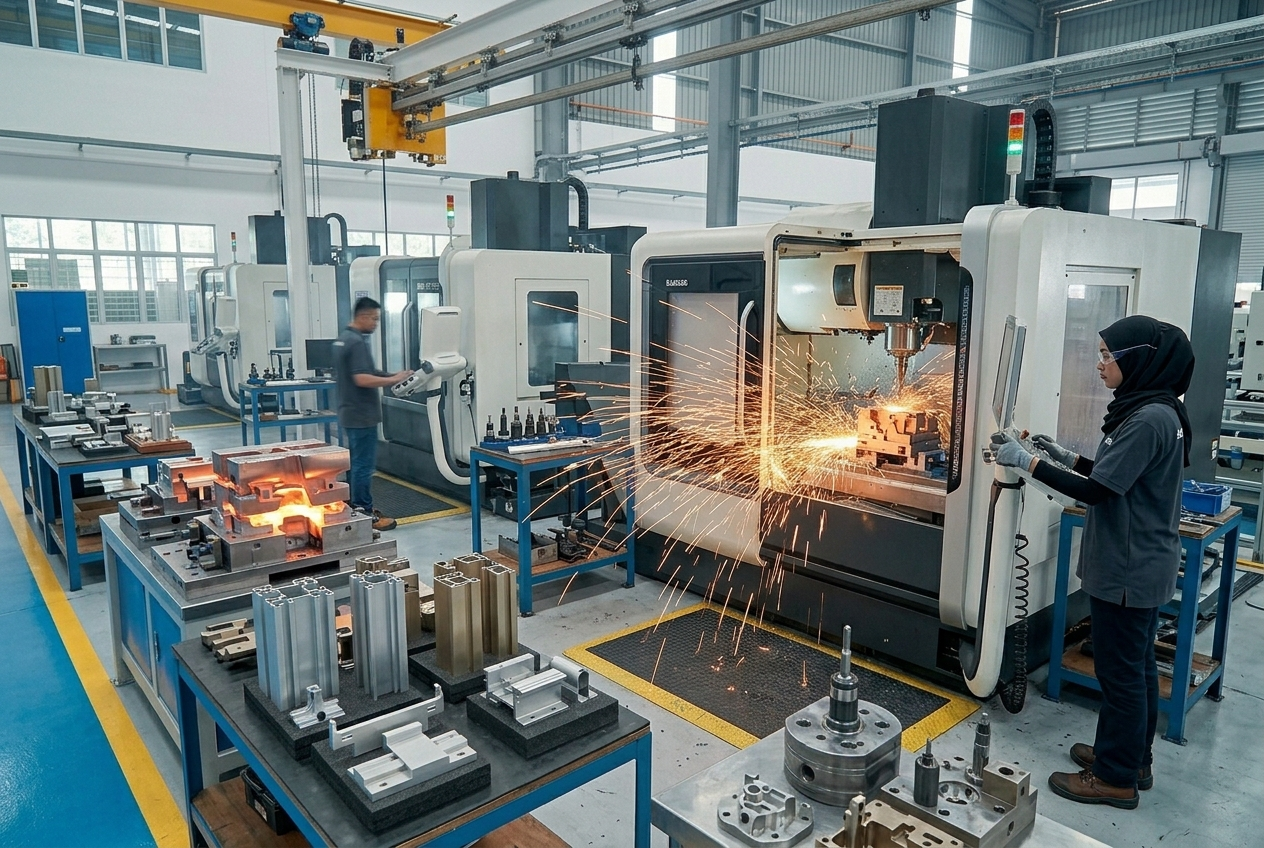
- CNC machining
- Fabrication & assembly
- Surface finishing (anodizing / powder coating)
- Quality control & inspection
The goal is to transform raw aluminium into engineered products that meet specific functional, structural, and aesthetic requirements.
What Is an Aluminium Profile?
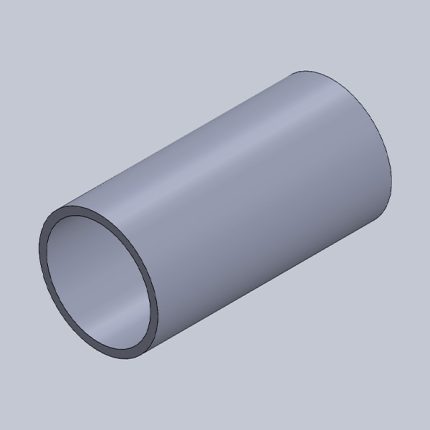
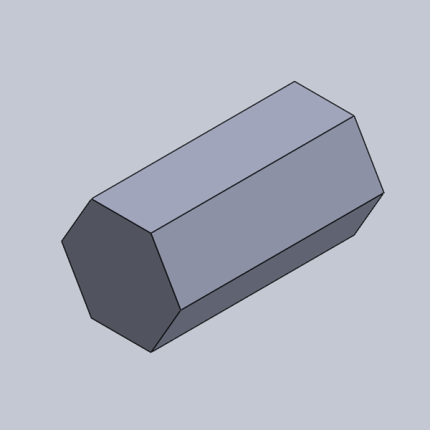
An aluminium profile is a shaped aluminium extrusion produced by forcing heated aluminium through a custom-designed die.
This process creates long structural sections with consistent cross-sectional shapes.
Aluminium profiles are used to build:
- Structural frames
- Architectural systems
- Industrial equipment
- Mechanical assemblies
- Modular systems
They can be cut, drilled, welded, or assembled into complex structures.
Types of Aluminium Profiles
Standard Aluminium Profiles
Standard profiles are commonly used in general construction and manufacturing applications.
Examples include:
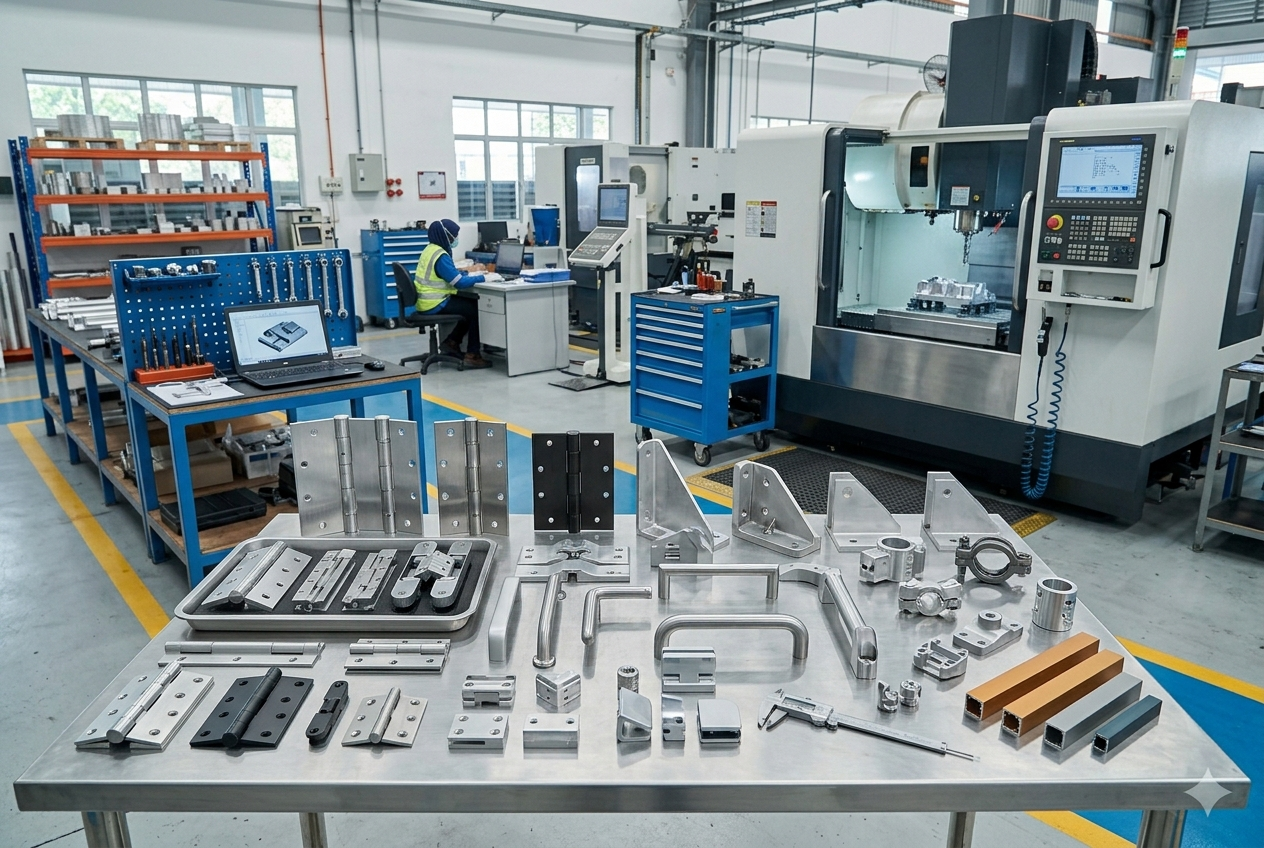
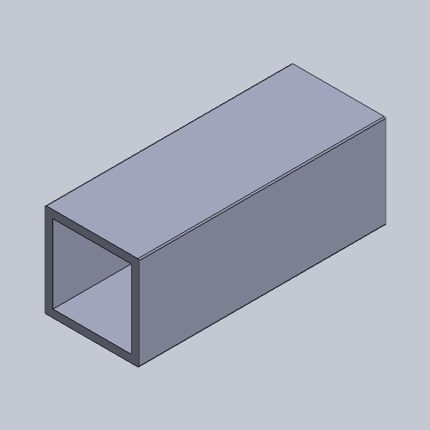
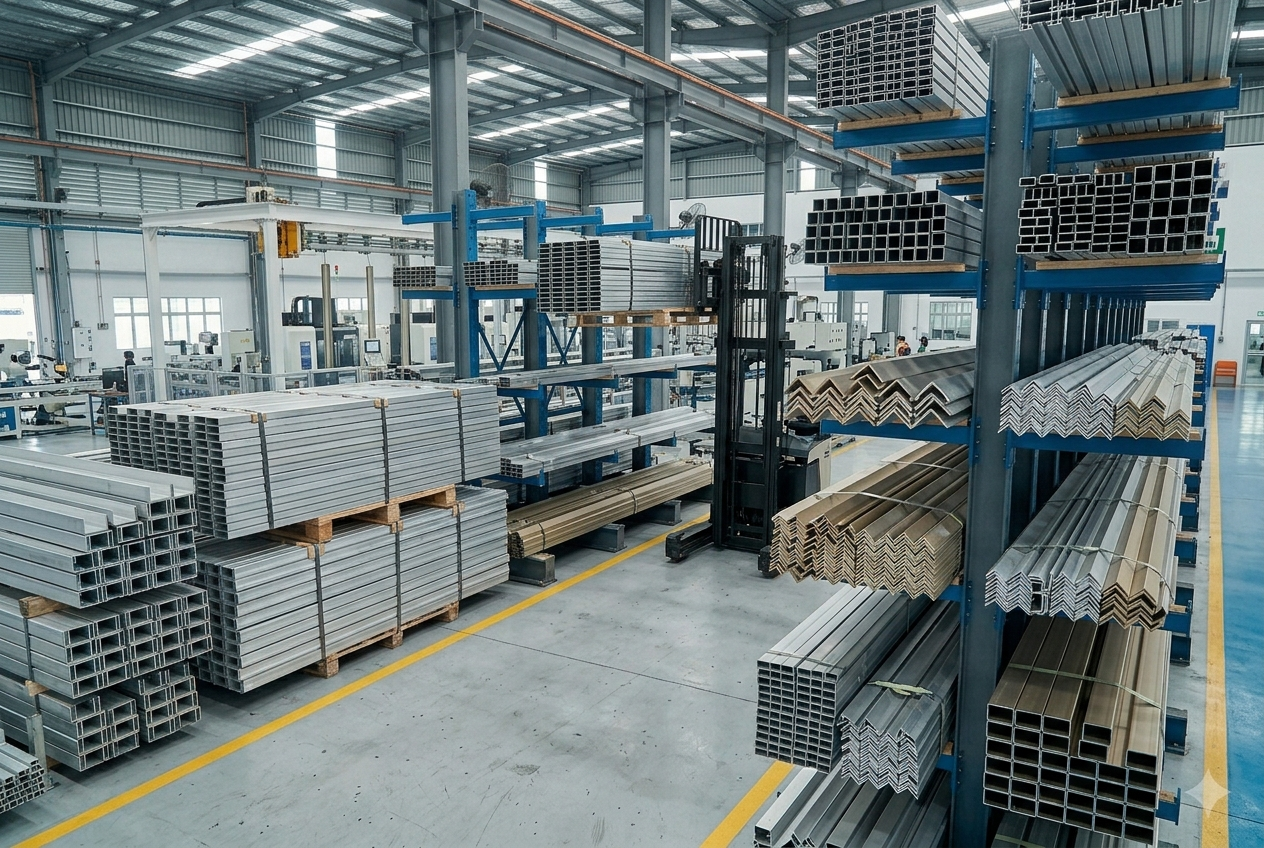
- Square tubes
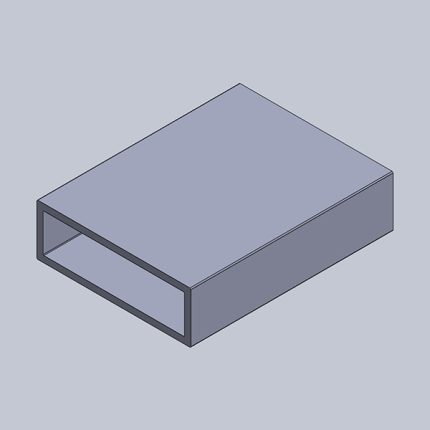
- Rectangular tubes
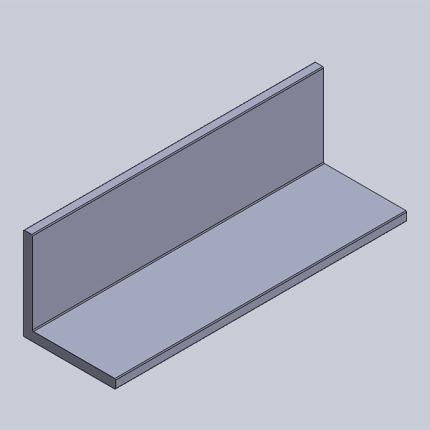
- L-shaped angles
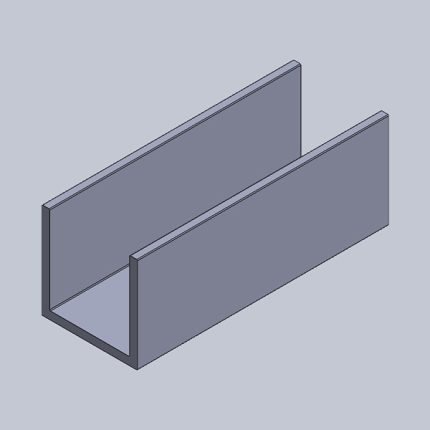
- U-channels
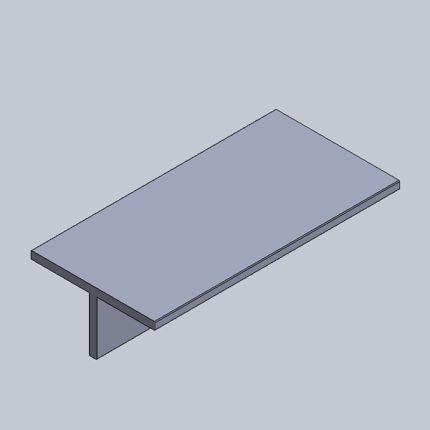
- T-sections
These profiles are widely available and cost-effective.
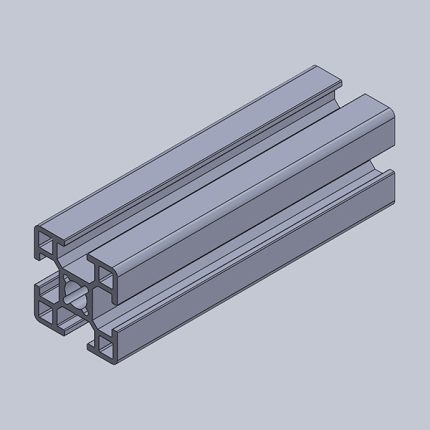
Structural Aluminium Profiles
Structural profiles are designed for load-bearing applications requiring higher strength and rigidity.
Applications include:
- Machine frames
- Industrial platforms
- Automation systems
- Conveyor structures
- Heavy-duty frameworks
They are engineered for durability and stability.
Architectural Aluminium Profiles
Architectural profiles are used in building design and construction.
Applications include:
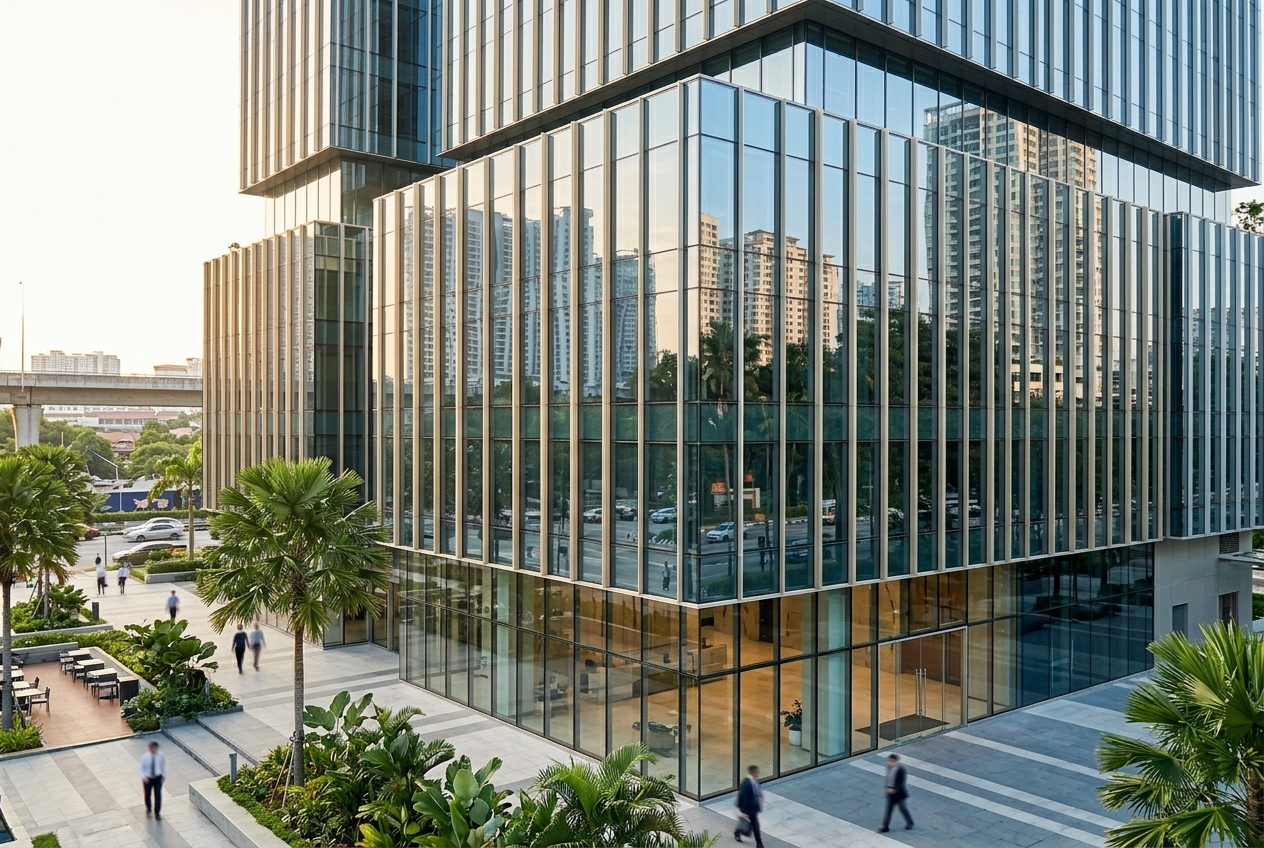
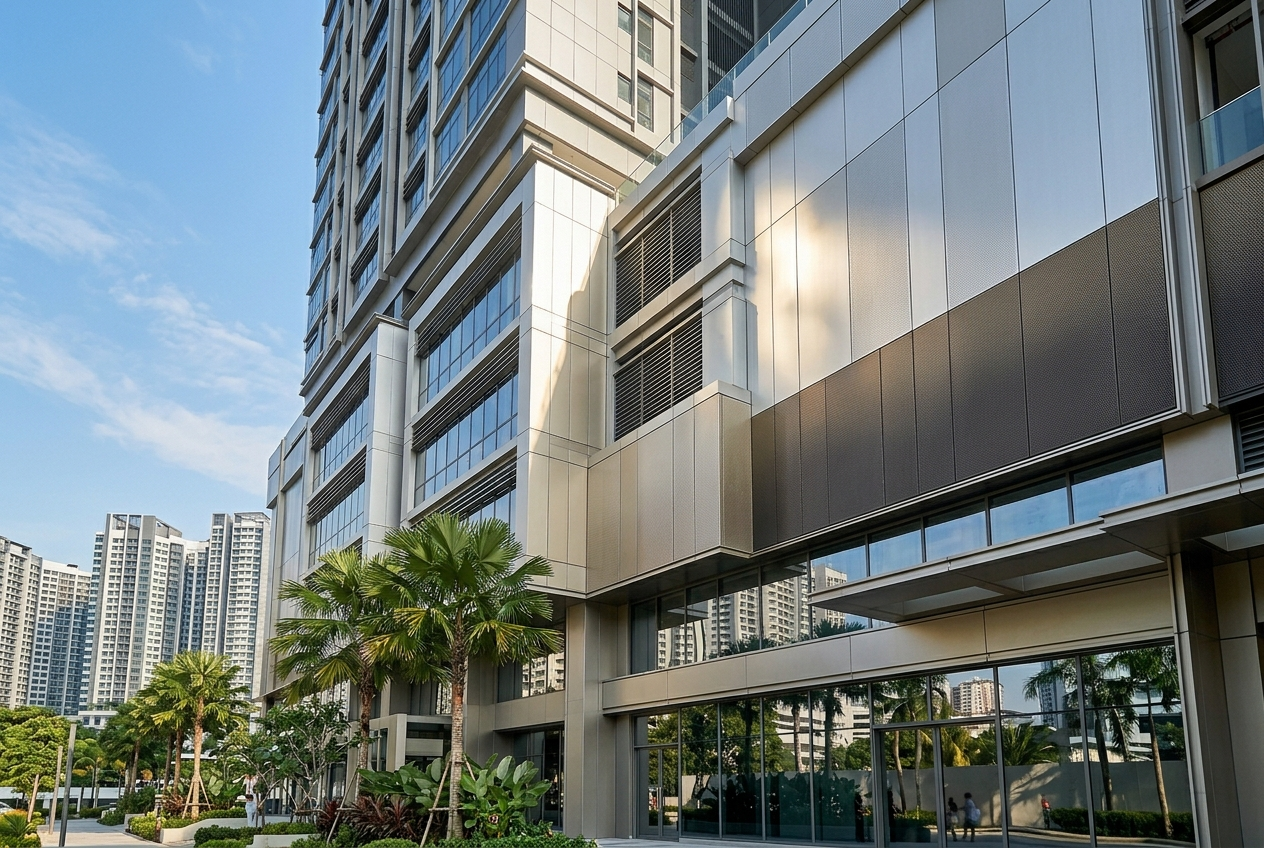
- Curtain wall systems
- Window frames
- Door systems
- Facade structures
- Sun shading systems
These profiles combine aesthetics and performance.
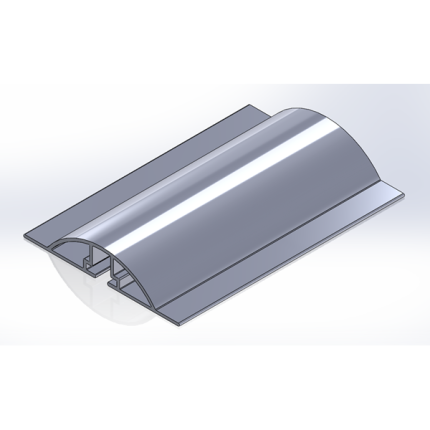
Custom Aluminium Profiles
Custom profiles are designed specifically for unique engineering requirements.
Advantages include:
- Tailored functionality
- Reduced assembly complexity
- Improved performance
- Lower system cost
- Optimized material usage
Custom extrusion allows unlimited design possibilities.
Aluminium Profile Manufacturing Process
1. Material Selection
Aluminium profiles are typically made from alloys such as:
- 6061 Aluminium Alloy
- 6063 Aluminium Alloy
- 6082 Aluminium Alloy
Each alloy offers different mechanical and structural properties.
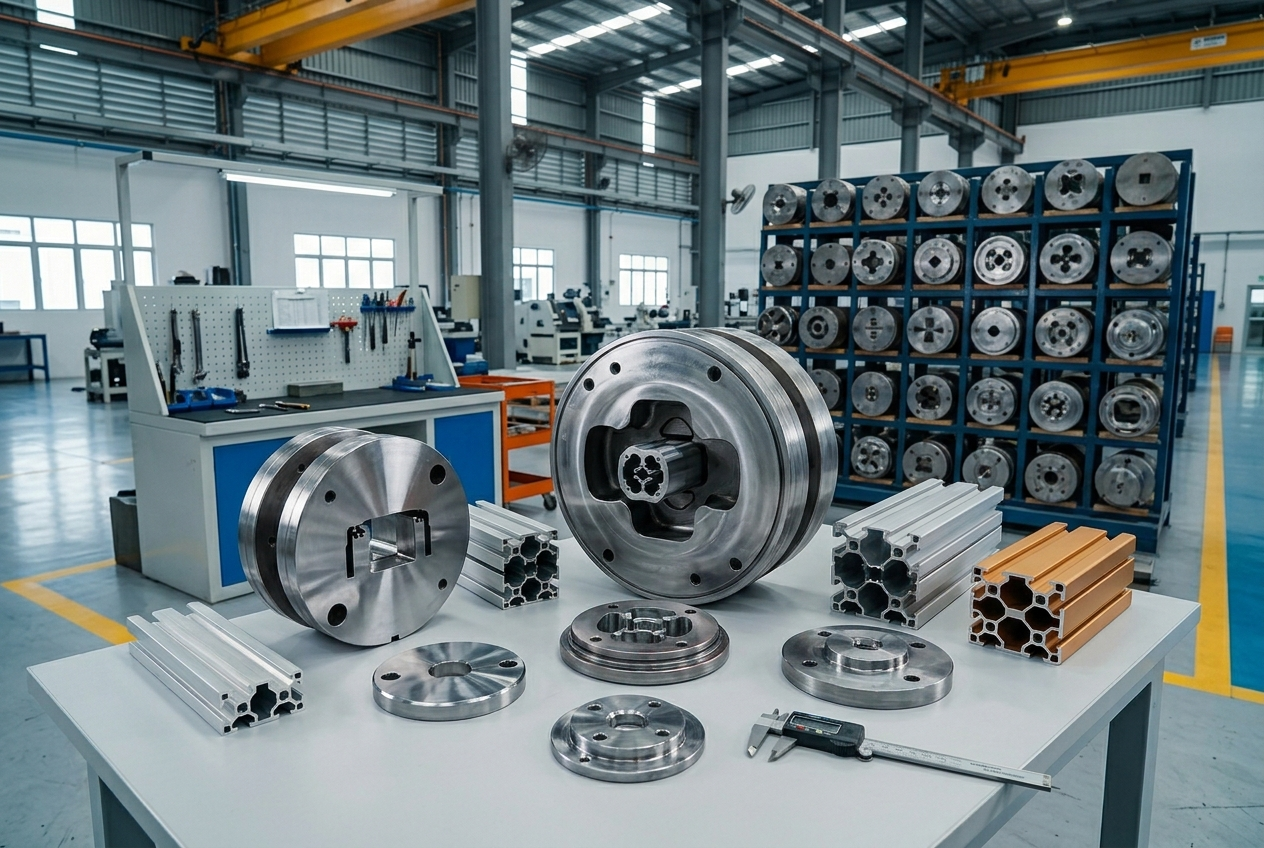
2. Die Design & Engineering
The extrusion die defines the shape of the aluminium profile.
Engineering considerations include:
- Structural strength
- Material flow
- Thermal performance
- Application requirements
Precision die design ensures accuracy and consistency.
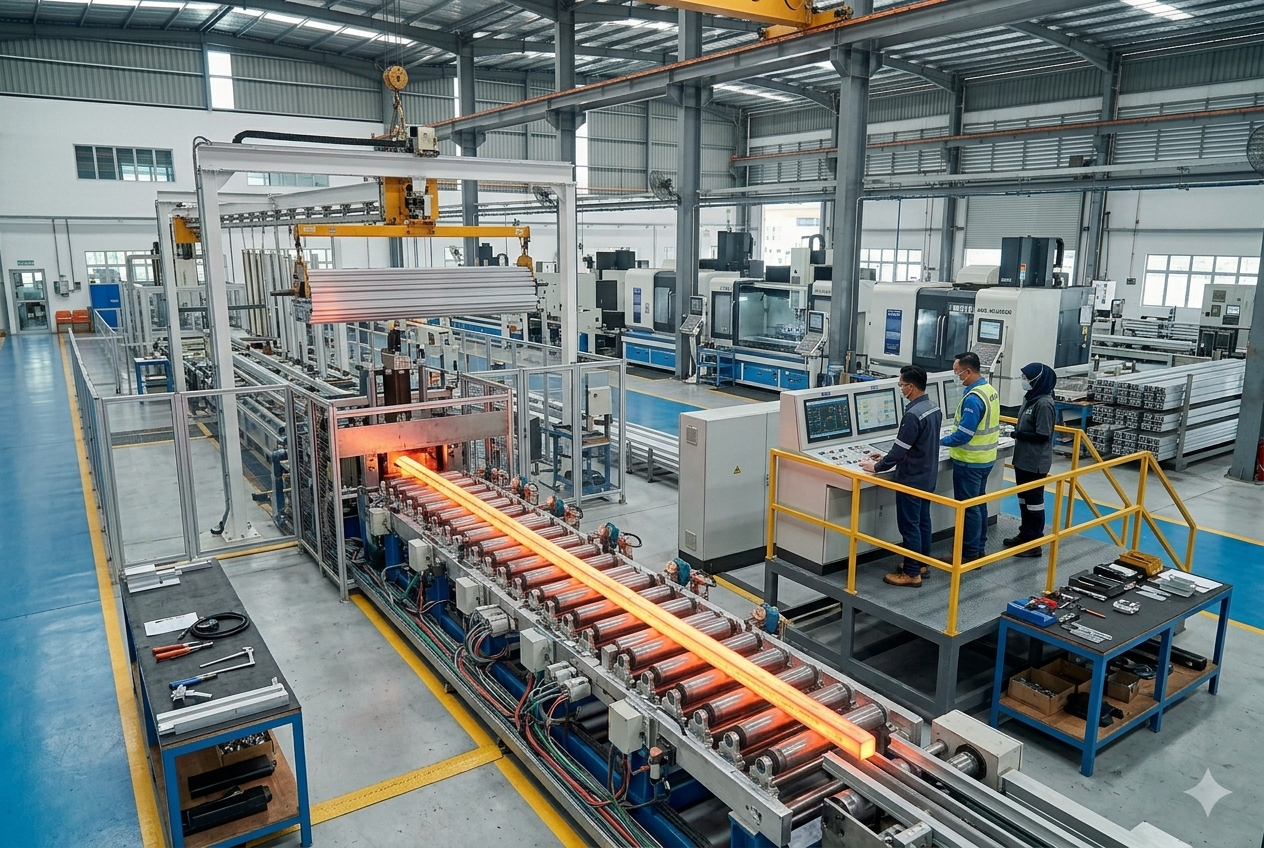
3. Aluminium Extrusion Process
In extrusion, heated aluminium billets are pushed through a die to form continuous profiles.
Benefits include:
- High precision shapes
- Mass production efficiency
- Consistent quality
- Cost-effective manufacturing
This is the core process of aluminium profile production.
4. Cooling & Stretching
After extrusion, profiles are cooled and stretched to maintain straightness and dimensional stability.
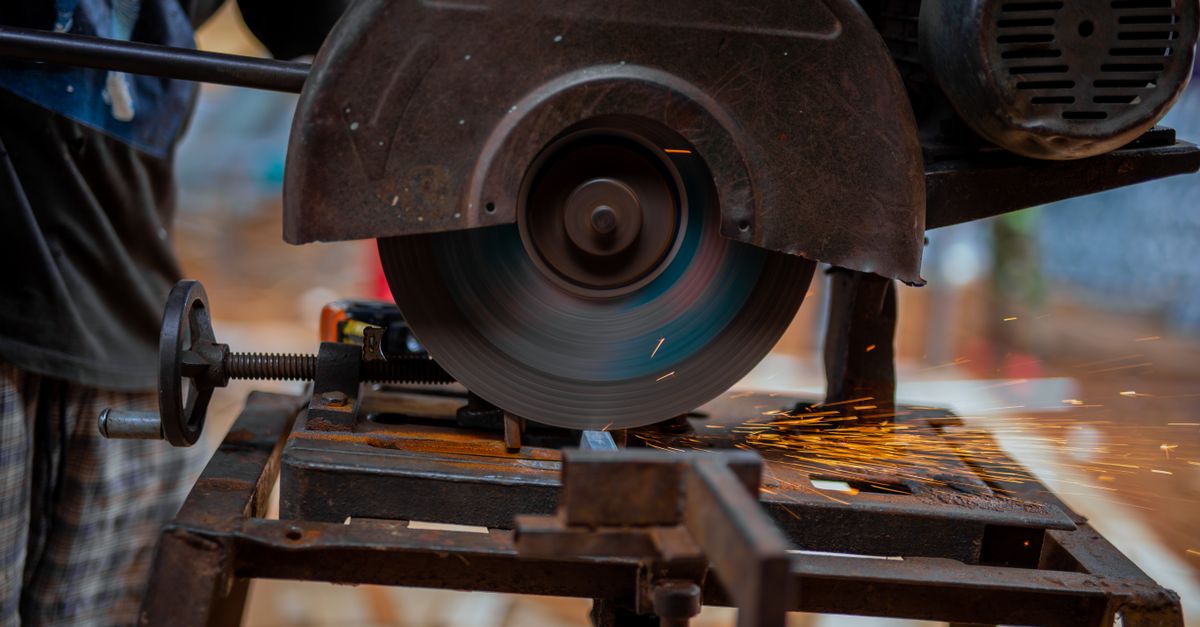
5. Cutting & Fabrication
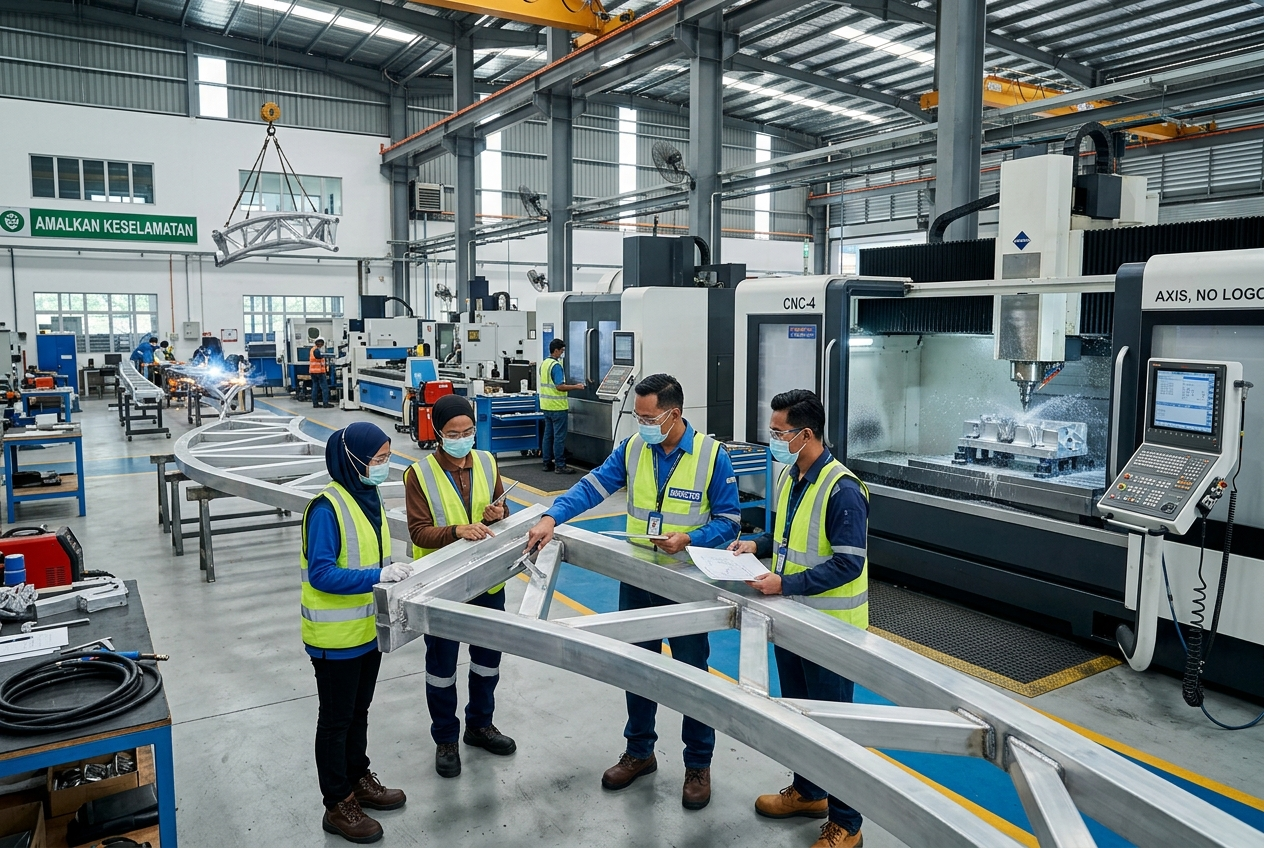
Profiles are cut into required lengths and further processed through:
- Drilling
- Milling
- CNC machining
- Welding
- Assembly
This transforms raw profiles into usable components.
6. Surface Finishing
Finishing enhances durability and appearance.
Common methods include:
Anodizing
Improves corrosion resistance and surface hardness.
Powder Coating
Provides decorative and protective color finishes.
Mechanical Finishing
Enhances visual texture and smoothness.
7. Quality Inspection
Each aluminium profile undergoes strict testing:
- Dimensional accuracy
- Surface quality
- Mechanical strength
- Straightness and tolerance checks
Applications of Aluminium Profiles
Construction Industry
Aluminium profiles are widely used in:
- Building facades
- Curtain wall systems
- Window and door frames
- Roofing systems
- Interior partitions
They offer durability and modern architectural flexibility.
Industrial Manufacturing
Industrial applications include:
- Machine frames
- Automation systems
- Conveyor structures
- Safety enclosures
- Equipment supports
Aluminium profiles improve production efficiency and system modularity.
Transportation Sector
Profiles are used in:
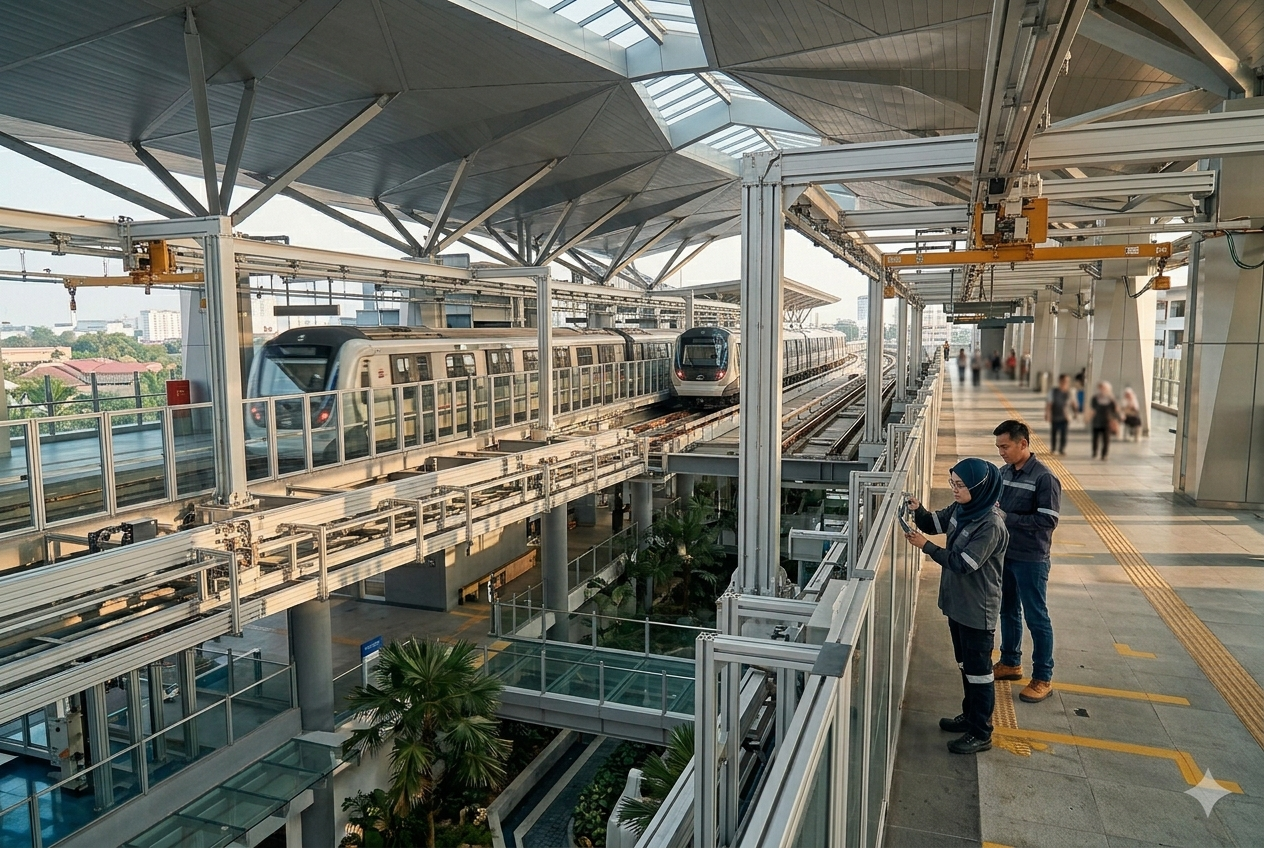
- Rail systems
- Bus structures
- Cargo systems
- Vehicle frameworks
Their lightweight nature improves fuel efficiency and performance.
Electronics & Technology
Aluminium profiles are used in:
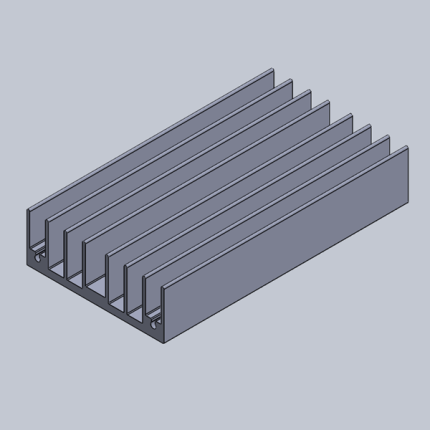
- Heat sinks
- Electronic enclosures
- LED lighting systems
- Server racks
They provide thermal management and structural protection.
Renewable Energy Systems
Applications include:
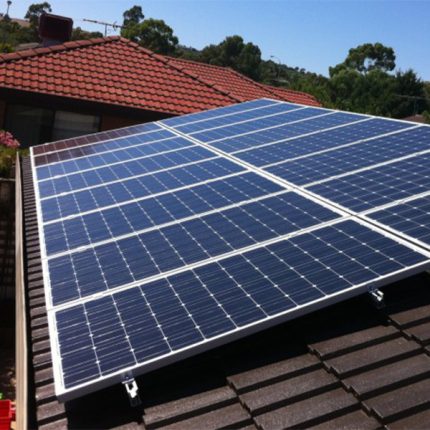
- Solar panel mounting systems
- Energy storage structures
- Wind energy components
Aluminium profiles offer corrosion resistance and durability in outdoor environments.
Advantages of Aluminium Profiles
Lightweight Strength
Aluminium profiles provide high strength while significantly reducing structural weight.
Corrosion Resistance
Ideal for Malaysia’s humid climate, aluminium resists rust and environmental damage.
Design Flexibility
Profiles can be engineered into virtually unlimited shapes for specific applications.
Easy Assembly
Modular aluminium profile systems allow quick installation and modification.
Cost Efficiency
Reduced maintenance, lightweight transport, and long lifespan lower total project cost.
Sustainability
Aluminium is 100% recyclable without losing performance quality.
Aluminium Profile vs Steel Profile
Weight
- Aluminium: Lightweight
- Steel: Heavy
Corrosion Resistance
- Aluminium: High resistance
- Steel: Requires coating
Flexibility
- Aluminium: High customization
- Steel: Limited extrusion flexibility
Maintenance
- Aluminium: Low maintenance
- Steel: Higher maintenance
Why Aluminium Profiles Are Widely Used in Modern Engineering
Modern engineering demands materials that are:
- Lightweight
- Durable
- Sustainable
- Flexible
- Cost-efficient
Aluminium profiles meet all these requirements, making them ideal for a wide range of industries.
Custom Aluminium Profile Engineering
Custom extrusion allows manufacturers to design profiles based on:
- Structural requirements
- Load-bearing needs
- Aesthetic design
- Assembly efficiency
- Cost optimization
Custom profiles reduce the need for multiple components, simplifying system design.
Industries That Rely on Aluminium Profiles
Construction & Real Estate
- High-rise buildings
- Commercial developments
- Residential projects
Manufacturing & Automation
- Factory systems
- Robotics structures
- Industrial machinery
Transportation & Logistics
- Rail infrastructure
- Automotive systems
- Cargo handling equipment
Energy & Utilities
- Solar installations
- Power systems
- Renewable energy structures
Frequently Asked Questions
What is an aluminium profile?
An aluminium profile is a shaped extrusion of aluminium used in construction, industrial, and engineering applications.
How are aluminium profiles made?
They are made through extrusion, where heated aluminium is pushed through a shaped die.
What are aluminium profiles used for?
They are used in construction, industrial machinery, transportation, electronics, and renewable energy systems.
Can aluminium profiles be customized?
Yes. Custom extrusion allows profiles to be designed for specific engineering needs.
Why use aluminium profiles instead of steel?
Aluminium is lighter, corrosion-resistant, and easier to fabricate and maintain.
Are aluminium profiles durable?
Yes. Aluminium profiles offer long-term durability, especially when properly finished and maintained.
Conclusion
Aluminium manufacturing and aluminium profiles play a crucial role in modern engineering, construction, and industrial development. Their versatility, strength, corrosion resistance, and sustainability make them one of the most important structural materials in today’s world.
From architectural systems and industrial frameworks to renewable energy and transportation applications, aluminium profiles provide efficient, cost-effective, and high-performance solutions.
As industries continue to evolve, demand for custom aluminium profiles will grow, driven by the need for lightweight engineering, modular design, and sustainable construction practices.
Businesses that invest in high-quality aluminium manufacturing and custom profile engineering gain a long-term advantage in performance, efficiency, and innovation.