

Aluminium Manufacturing in Malaysia: Leading Aluminium Manufacturer for Engineering, Fabrication & Industrial Solutions

Introduction
Aluminium manufacturing plays a critical role in modern industry, supporting sectors such as construction, transportation, electronics, infrastructure, renewable energy, and precision engineering. As global demand for lightweight, durable, and corrosion-resistant materials increases, aluminium has become one of the most important engineering metals in the world.
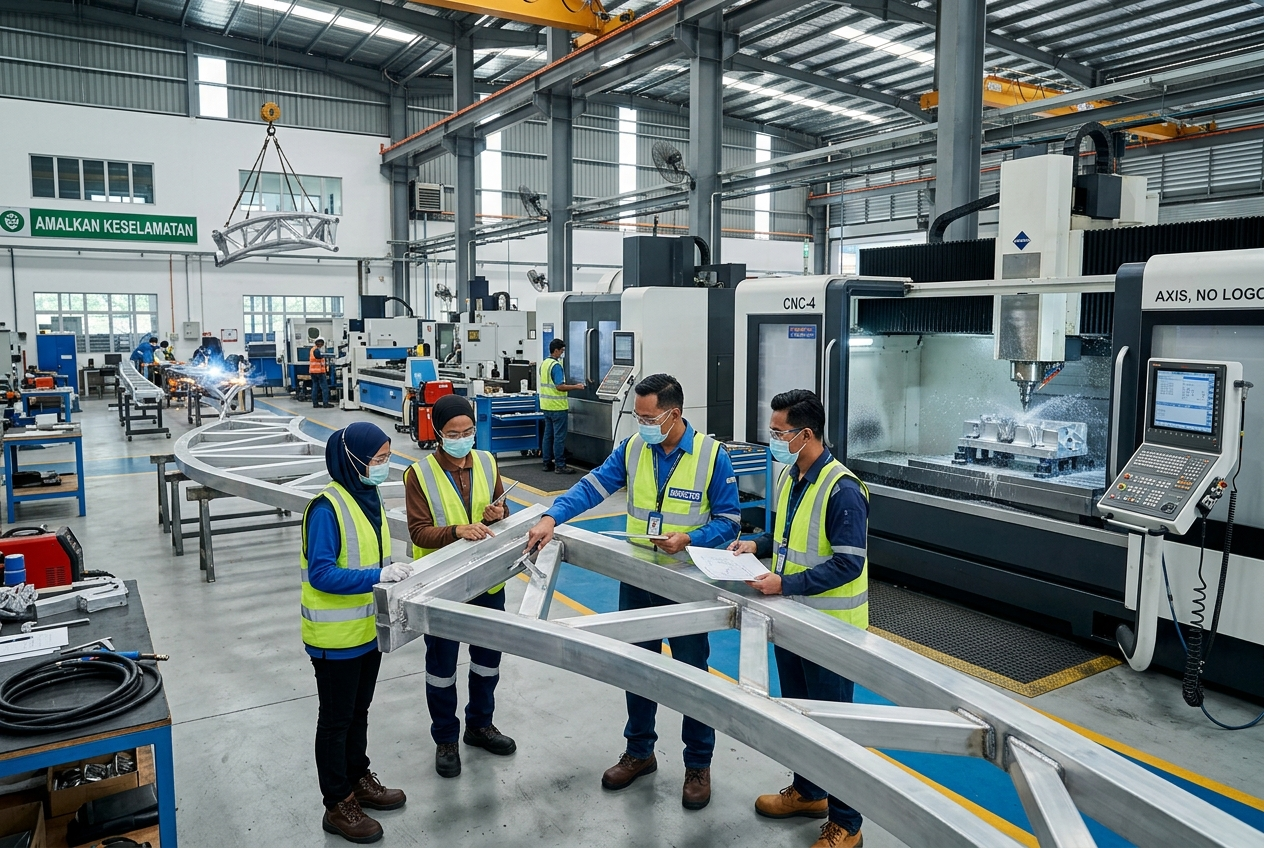
In Malaysia, aluminium manufacturers are increasingly essential to support large-scale development projects, industrial production, and architectural innovation. From custom aluminium extrusion to precision fabrication and surface finishing, a full-service aluminium manufacturer provides end-to-end solutions that transform raw aluminium into high-performance engineered products.
This article explores the role of an aluminium manufacturer, the aluminium manufacturing process, key applications, industry benefits, and what businesses should look for when selecting a reliable aluminium manufacturing partner.
What Is Aluminium Manufacturing?
Aluminium manufacturing refers to the industrial process of producing aluminium products from raw materials or aluminium ingots through a series of engineering, fabrication, and finishing processes.
A complete aluminium manufacturer typically handles:
- Aluminium Extrusion
- Die Design & Development
- CNC Machining
- Aluminium Fabrication
- Welding & Assembly
- Surface Finishing (Anodizing / Powder Coating)
- Quality Inspection & Testing
- Custom Engineering Design
The goal of aluminium manufacturing is to produce precision-engineered components and systems that meet specific industrial, commercial, and infrastructure requirements.
Role of an Aluminium Manufacturer
An aluminium manufacturer is responsible for converting raw aluminium into usable products and engineered systems that serve various industries.
Unlike basic suppliers or traders, a true aluminium manufacturer provides:
Full Engineering Capability
- Product design and development
- Structural analysis
- Custom profile engineering
- Prototype development
Integrated Production Facilities
- In-house extrusion
- CNC machining centers
- Fabrication workshops
- Surface treatment lines
Quality Assurance Systems
- Material testing
- Dimensional inspection
- Load and performance testing
- Compliance with ISO standards
End-to-End Project Support
- Consultation
- Engineering design
- Manufacturing
- Delivery and installation support
This integrated approach ensures consistency, reliability, and performance across all aluminium products.
Aluminium Manufacturing Process
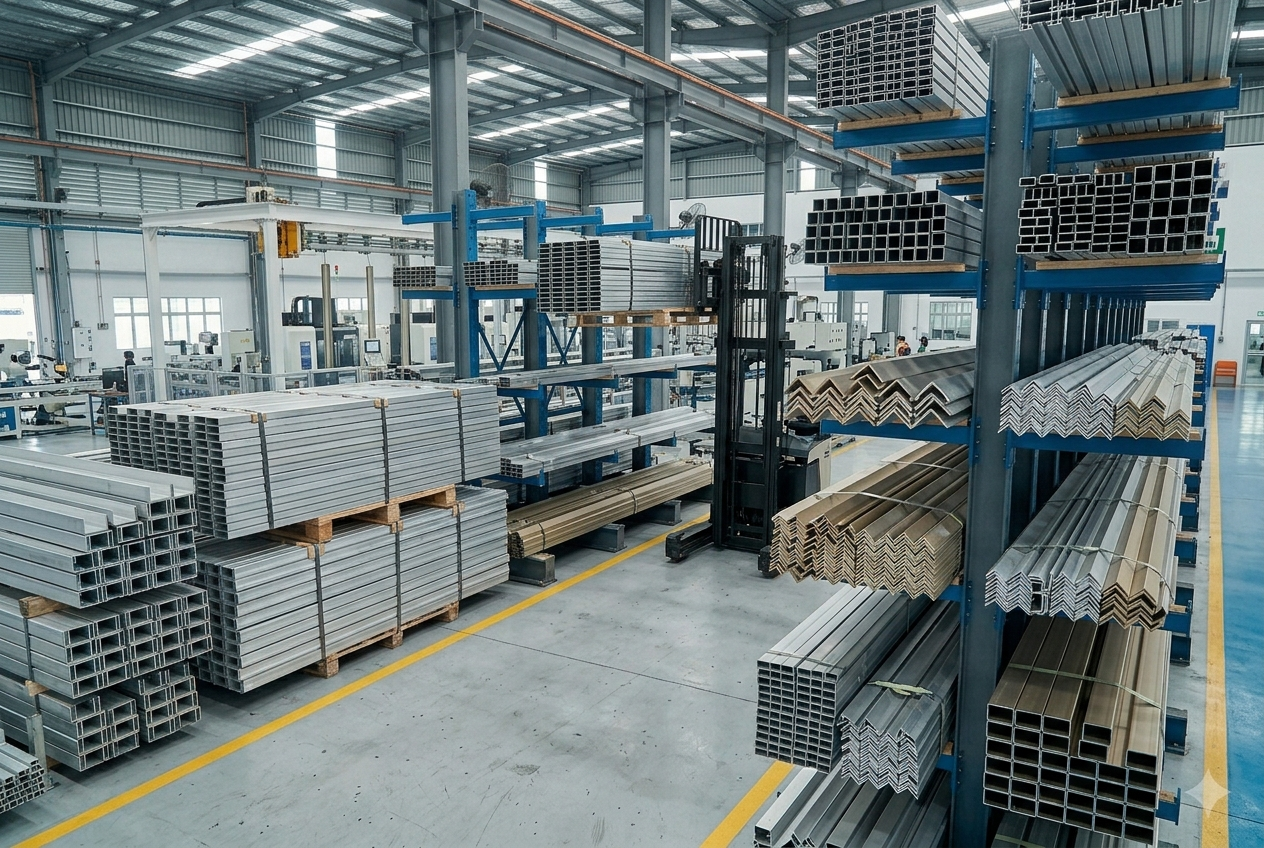
1. Raw Material Selection
High-quality aluminium ingots or billets are selected based on required alloy grades and performance specifications.
Common alloys include:
- 6061 Aluminium Alloy
- 6063 Aluminium Alloy
- 7075 Aluminium Alloy
- Industrial-grade custom alloys
Each alloy offers different mechanical properties suited for specific applications.
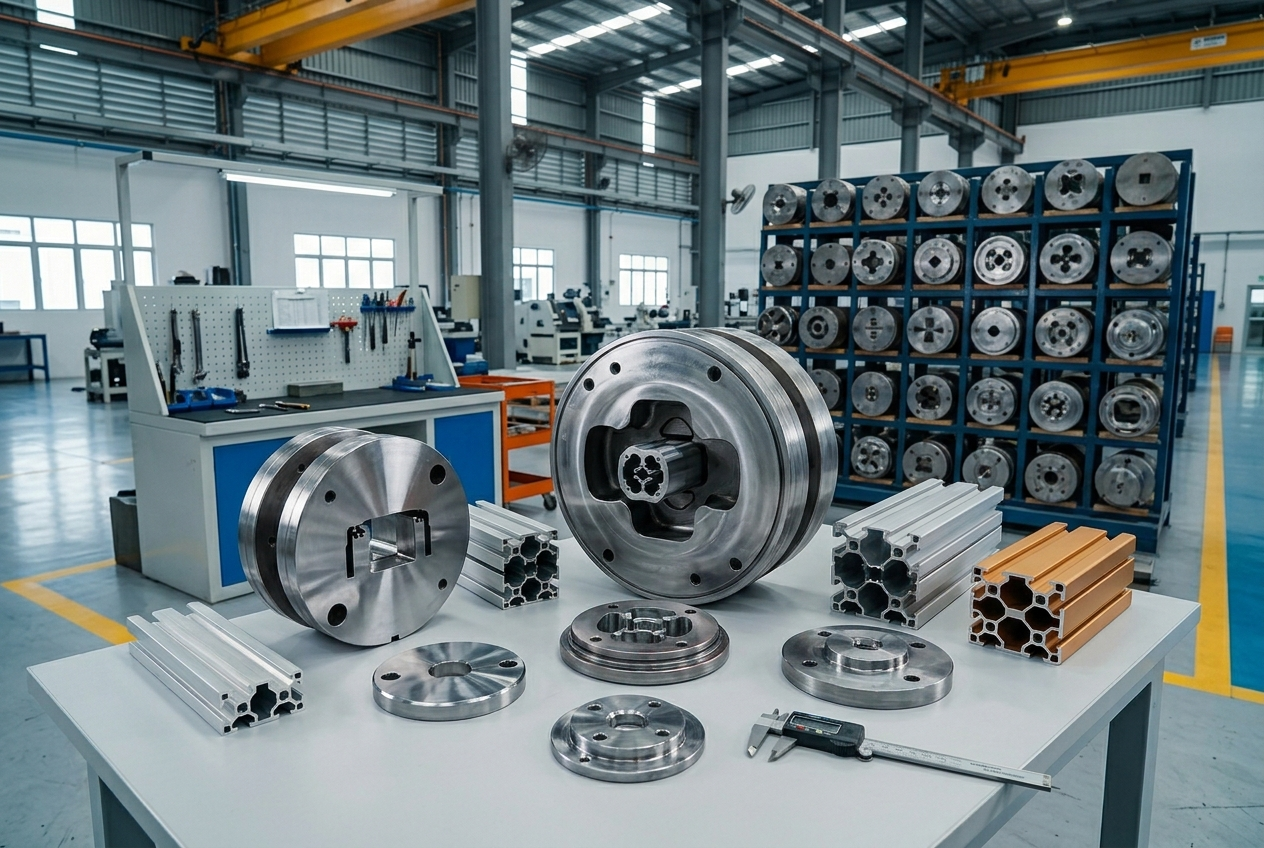
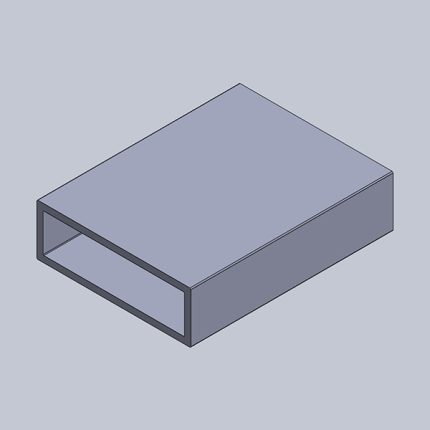
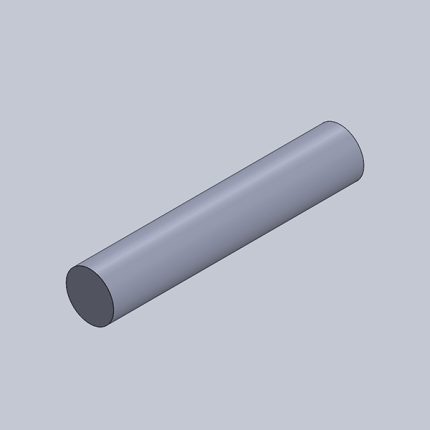
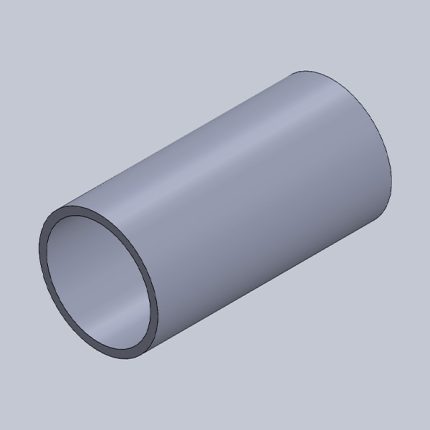
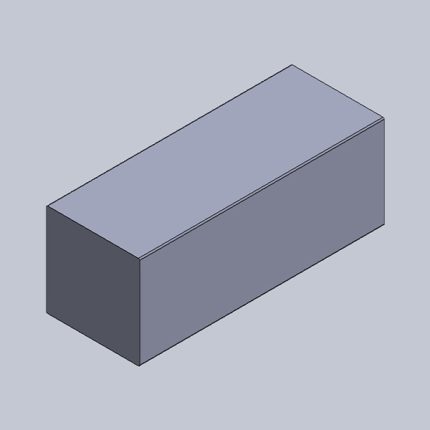
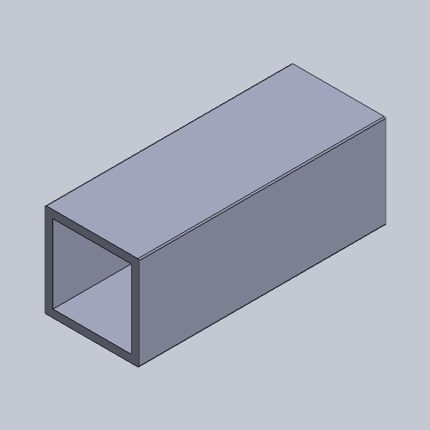
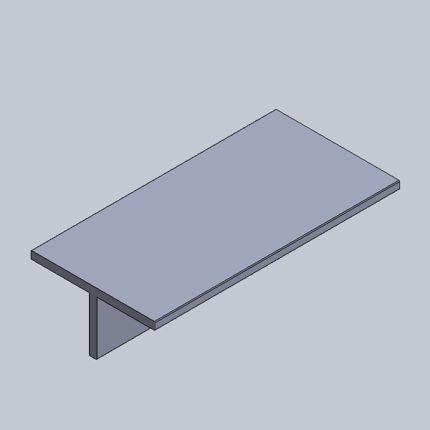
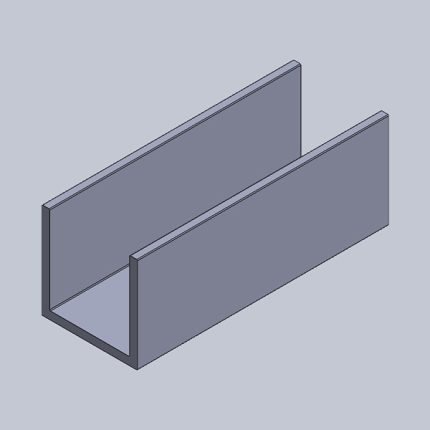
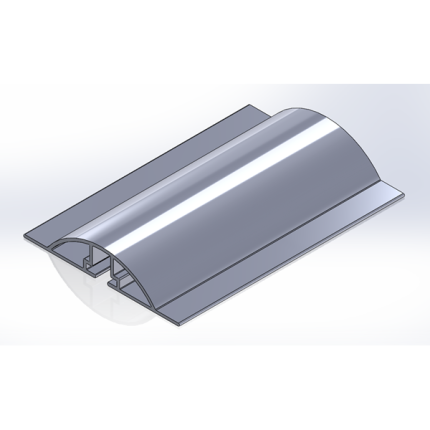
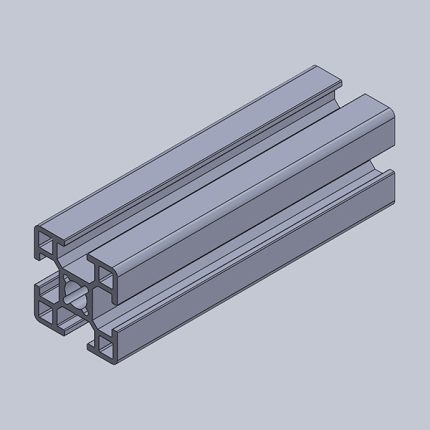
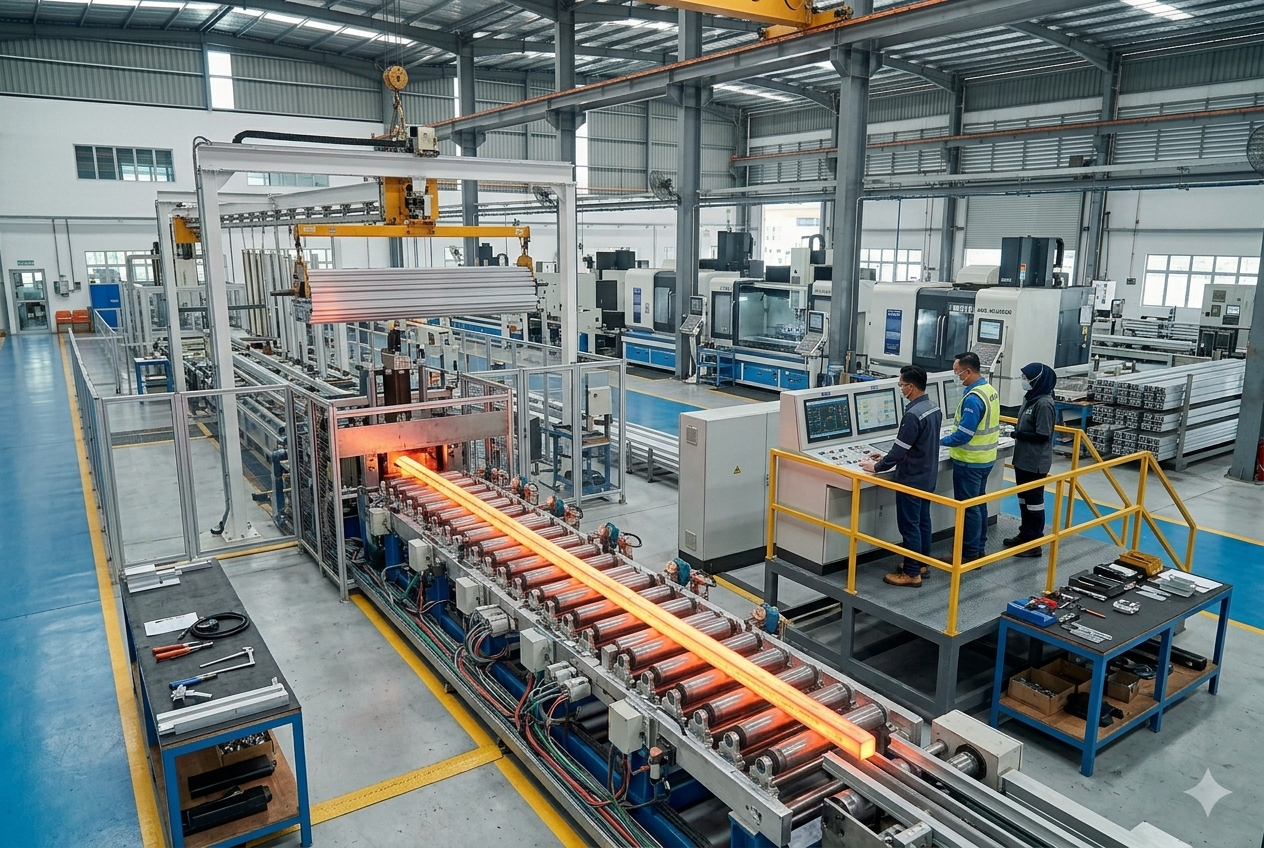
2. Aluminium Extrusion
Extrusion is one of the most important processes in aluminium manufacturing.
In this process, heated aluminium is forced through a die to create specific cross-sectional profiles.
Benefits include:
- Custom shapes
- High precision
- Structural consistency
- Efficient mass production
Extrusion is widely used in construction, transportation, and industrial applications.
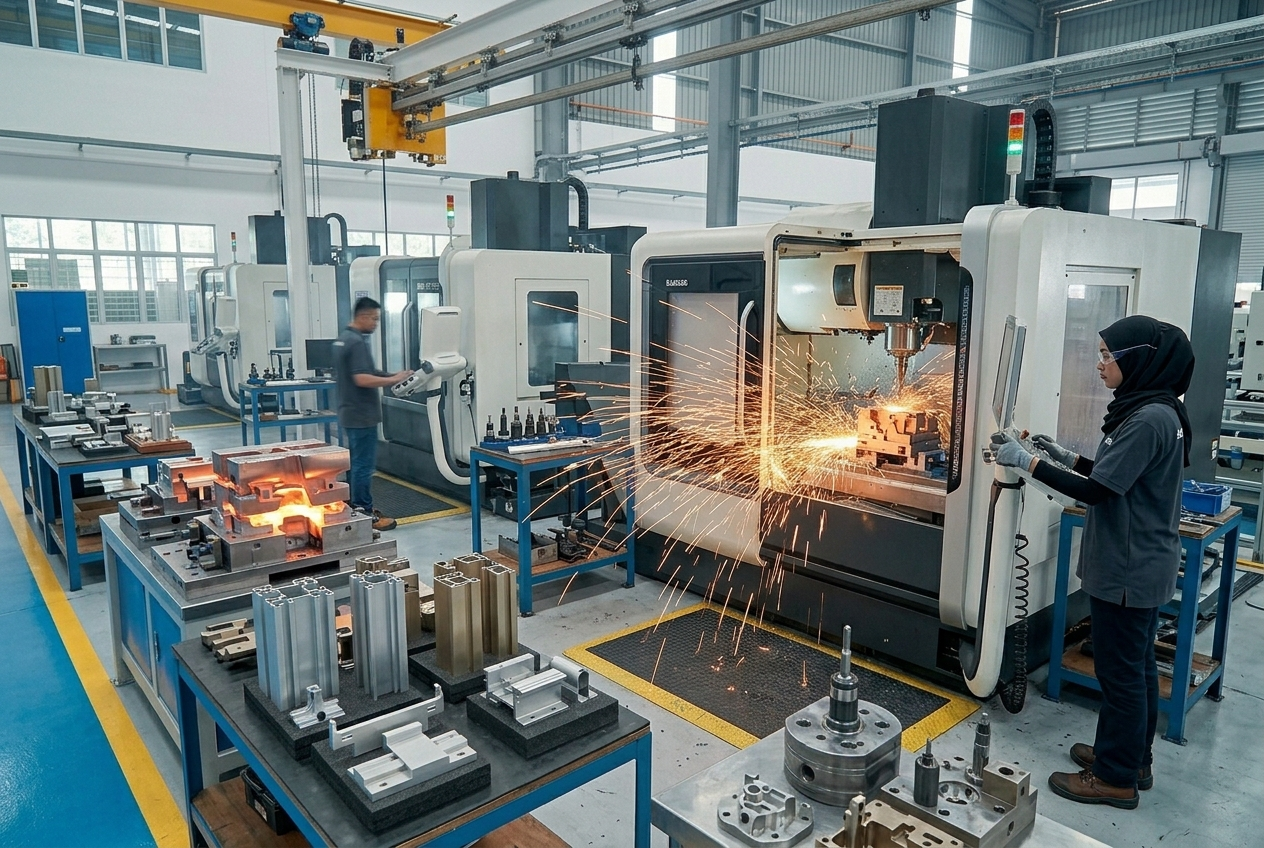
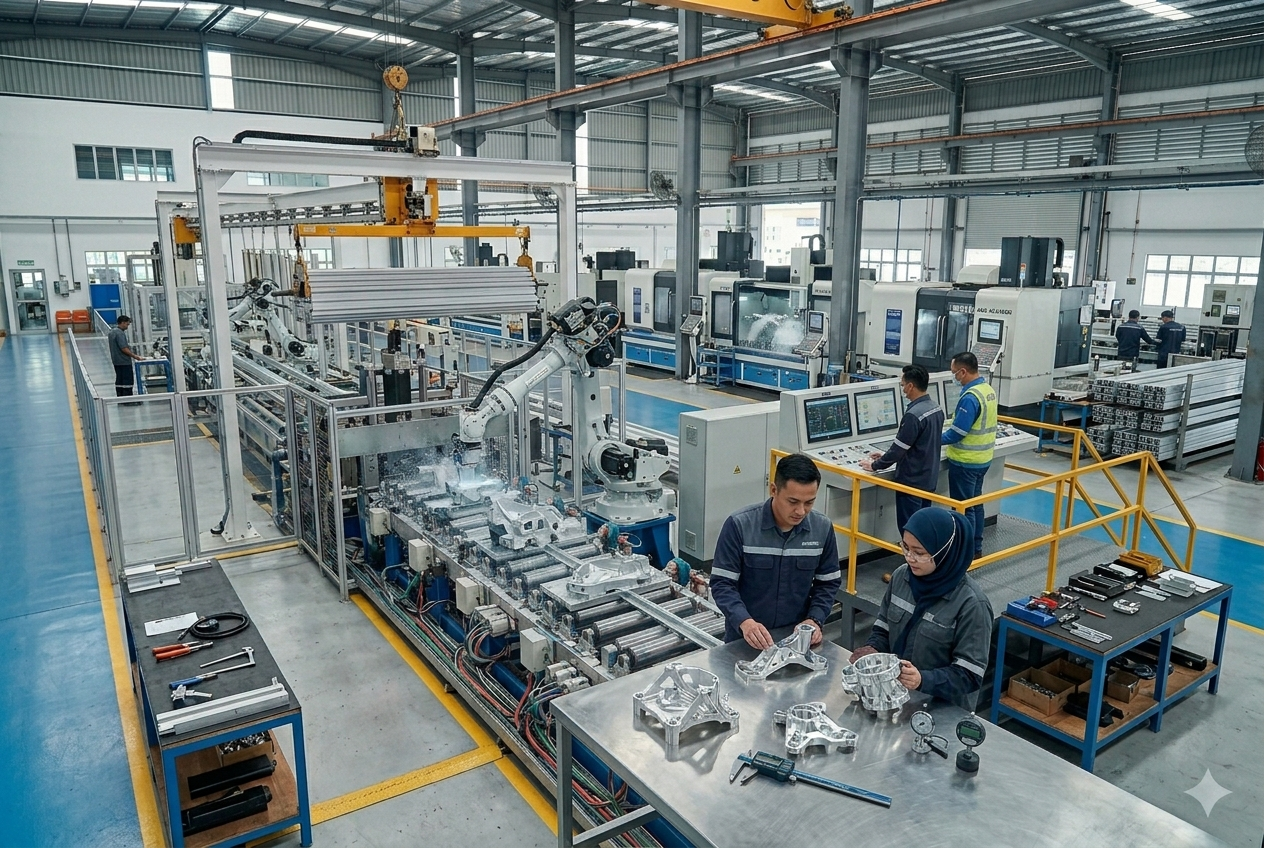
3. CNC Machining
CNC (Computer Numerical Control) machining is used to produce highly precise aluminium components.
Capabilities include:
- Drilling
- Milling
- Cutting
- Tapping
- Precision shaping
This process ensures tight tolerances and repeatable accuracy.
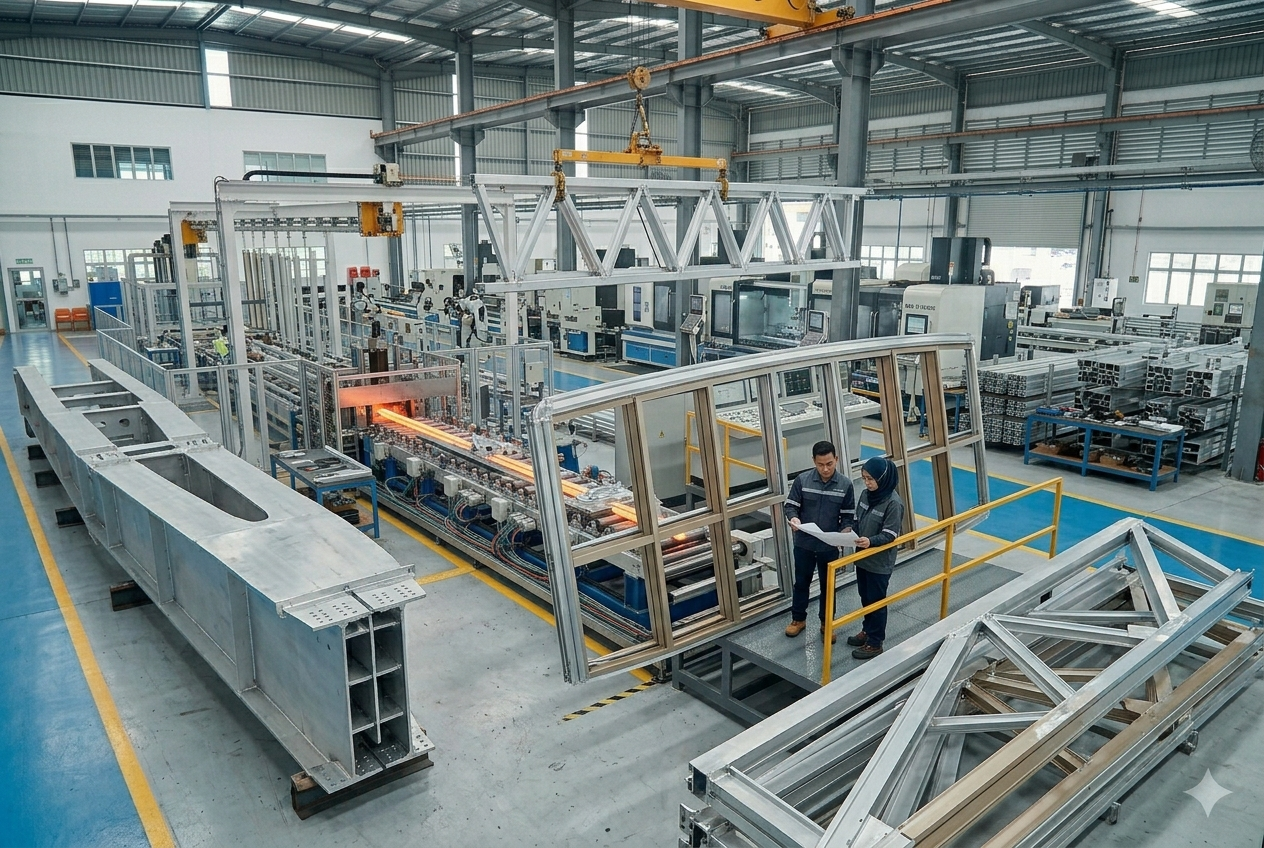
4. Aluminium Fabrication
Fabrication transforms extruded profiles into finished assemblies.
Processes include:
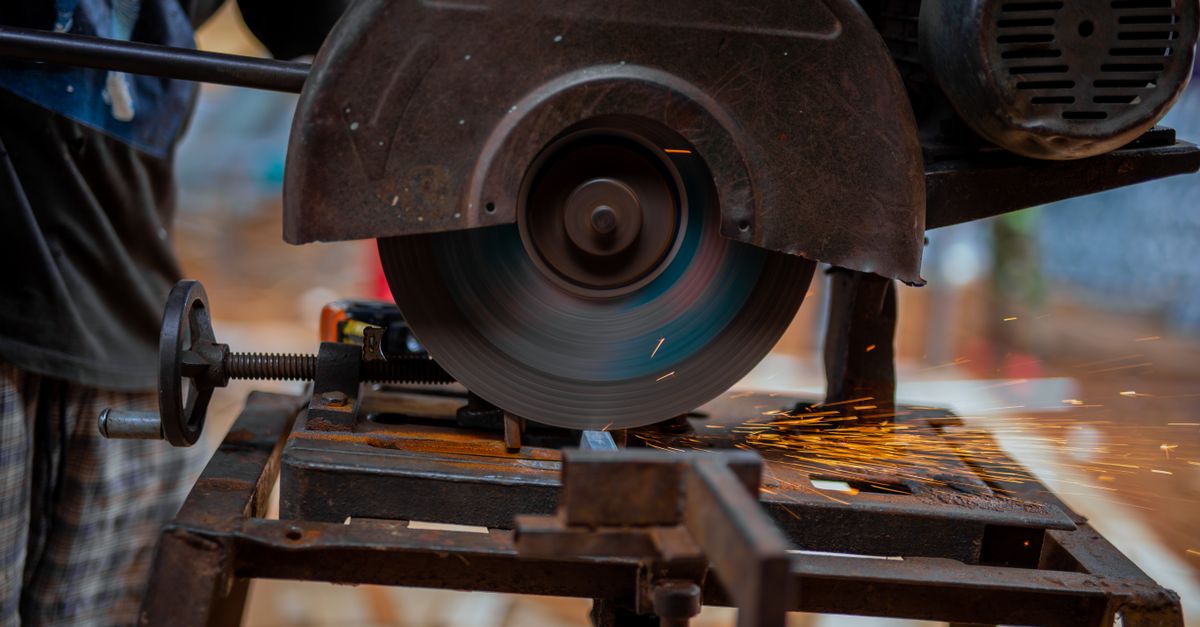
- Cutting
- Bending
- Welding
- Assembly
- Structural integration
Fabrication enables the creation of complex engineered systems.
5. Surface Finishing
Surface treatment improves durability, appearance, and corrosion resistance.
Common finishing methods include:
- Anodizing
- Powder Coating
- Mechanical Polishing
- Chemical Treatment
These processes enhance product performance and lifespan.
6. Quality Control
Quality assurance is a critical stage in aluminium manufacturing.
Checks include:
- Dimensional accuracy
- Surface quality
- Structural strength
- Load testing
- Visual inspection
Only products that meet strict standards are approved for delivery.
Types of Aluminium Manufactured Products
Architectural Aluminium Products
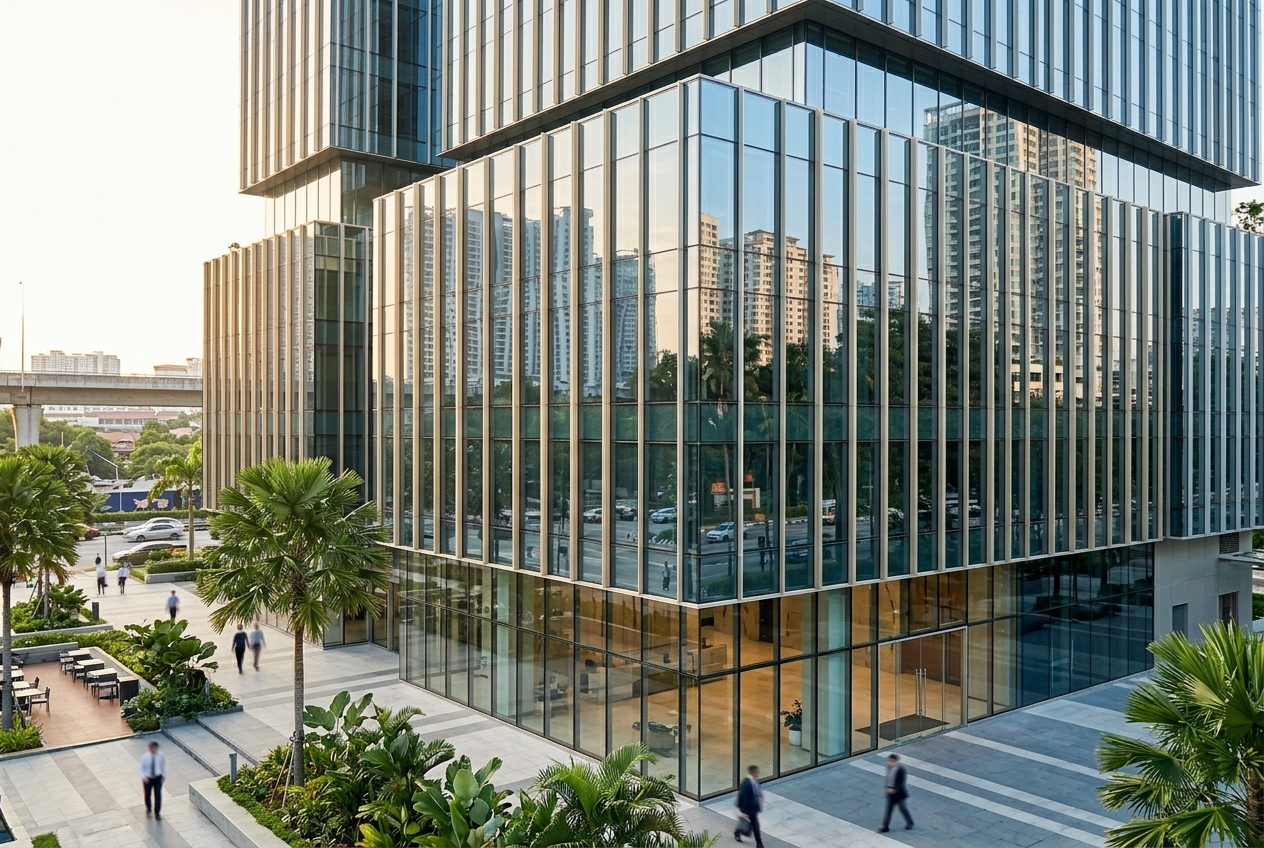
Aluminium manufacturers produce systems for modern buildings, including:
- Curtain Wall Systems
- Window Frames
- Door Systems
- Facade Structures
- Louvres
- Sunshades
These products combine aesthetics and performance.
Industrial Aluminium Components
Industrial applications require durable and precise aluminium parts such as:
- Machine Frames
- Equipment Housing
- Conveyor Systems
- Automation Structures
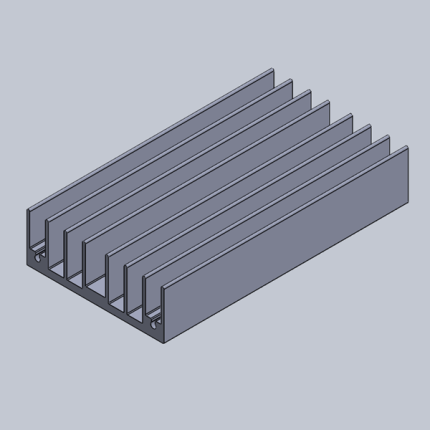
- Heat Sink Profiles
These components support production efficiency and operational reliability.
Infrastructure Aluminium Systems
Aluminium is widely used in infrastructure development:
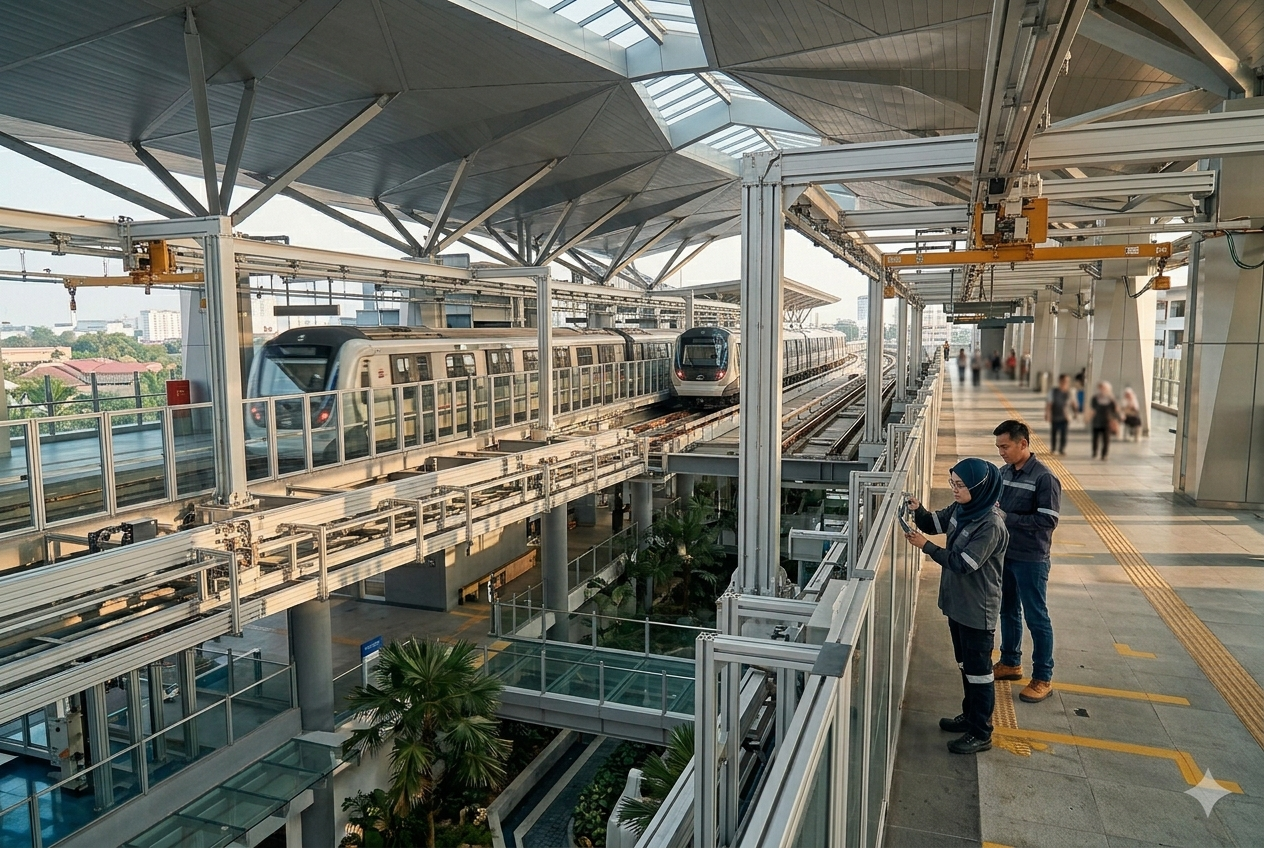
- MRT Systems
- Railway Components
- Highway Sound Barriers
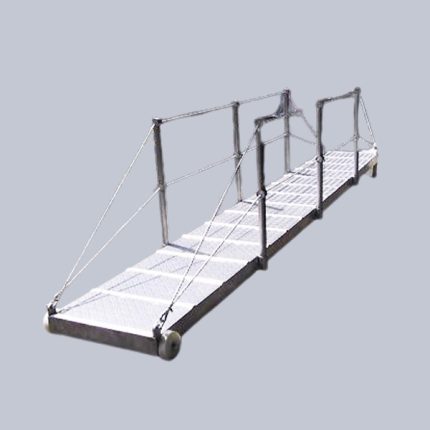
- Pedestrian Bridges
- Public Facilities
Its lightweight and corrosion-resistant properties make it ideal for long-term use.
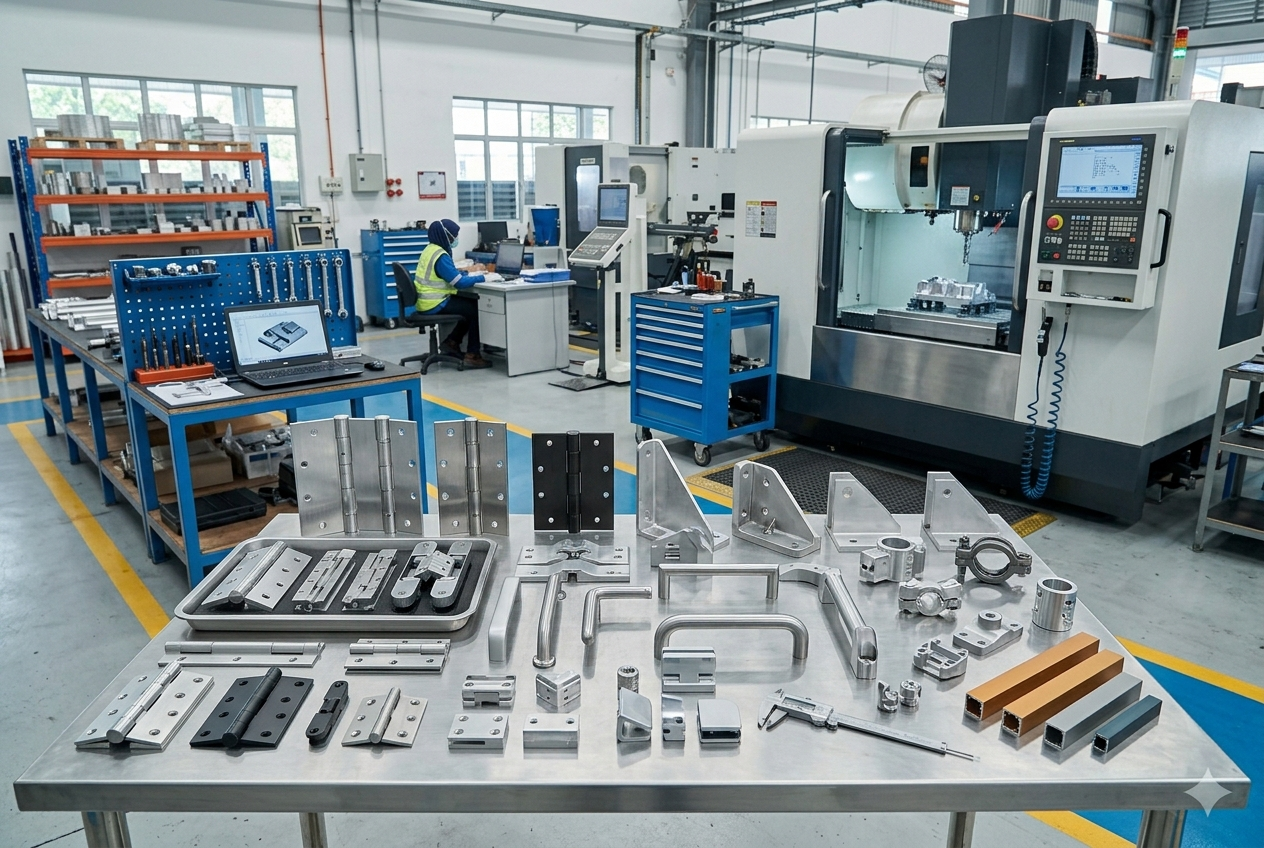
Aluminium Hardware Products
Manufacturers also produce functional hardware components:
- Brackets
- Hinges
- Handles
- Fasteners
- Mounting Systems
These components ensure structural and operational functionality.
Why Aluminium Manufacturing Is Important
Lightweight Strength
Aluminium offers excellent strength while being significantly lighter than steel, improving efficiency across industries.
Corrosion Resistance
Aluminium naturally resists corrosion, making it ideal for outdoor and industrial environments.
Design Flexibility
Manufacturers can produce complex and customized shapes through extrusion and fabrication.
Sustainability
Aluminium is fully recyclable and environmentally friendly, supporting green building initiatives.
Cost Efficiency
Reduced maintenance, long lifespan, and lightweight properties contribute to lower total lifecycle costs.
Aluminium Manufacturer vs Aluminium Supplier
Understanding the difference is critical when selecting a partner.
Aluminium Manufacturer
- Produces aluminium products
- Has in-house extrusion and fabrication
- Provides engineering services
- Offers custom solutions
- Controls quality from start to finish
Aluminium Supplier
- Distributes ready-made products
- Limited customization
- No manufacturing capability
- Relies on third-party production
Choosing a manufacturer ensures better quality control, customization, and technical support.
Industries That Depend on Aluminium Manufacturers
Construction Industry
- High-rise buildings
- Commercial complexes
- Residential developments
- Infrastructure projects
Transportation Industry
- Rail systems
- Automotive components
- Aerospace structures
- Logistics equipment
Manufacturing Industry
- Industrial machinery
- Automation systems
- Production equipment
- Factory infrastructure
Energy Sector
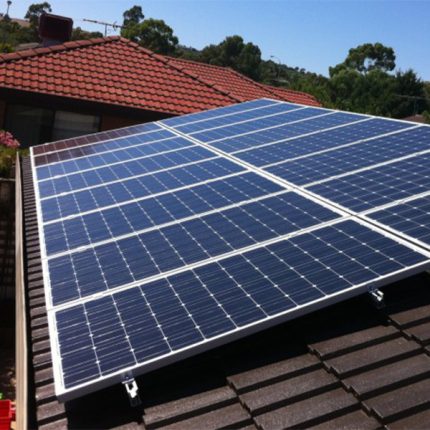
- Solar mounting systems
- Power infrastructure
- Renewable energy installations
Public Infrastructure
- Government projects
- Transportation networks
- Urban development systems
Advantages of Working With a Professional Aluminium Manufacturer
End-to-End Control
Manufacturers manage the entire production process, ensuring consistency and quality.
Engineering Expertise
Technical teams provide design optimization and material selection support.
Custom Solutions
Products are tailored to meet specific project requirements.
Faster Production
Integrated facilities reduce delays caused by external suppliers.
Higher Quality Standards
Strict quality control ensures reliable performance.
Trends in Aluminium Manufacturing
Smart Manufacturing
Automation, AI, and digital monitoring systems improve efficiency and precision.
Sustainable Production
Manufacturers are increasingly adopting eco-friendly processes and recycling systems.
Advanced Extrusion Technology
New extrusion techniques enable more complex and efficient profiles.
Precision CNC Integration
CNC technology enhances manufacturing accuracy and customization capabilities.
Frequently Asked Questions
What is aluminium manufacturing?
Aluminium manufacturing is the process of producing aluminium products through extrusion, fabrication, machining, and finishing.
What does an aluminium manufacturer do?
An aluminium manufacturer designs, produces, and delivers aluminium components and systems for industrial, commercial, and infrastructure applications.
What is the difference between aluminium supplier and manufacturer?
A manufacturer produces aluminium products in-house, while a supplier distributes finished products from other manufacturers.
What industries use aluminium manufacturing?
Construction, transportation, manufacturing, energy, infrastructure, and electronics industries all rely on aluminium manufacturing.
Why is aluminium widely used in manufacturing?
Aluminium is lightweight, strong, corrosion-resistant, recyclable, and highly versatile.
Can aluminium be custom manufactured?
Yes. Aluminium can be custom extruded, fabricated, and machined to meet specific engineering requirements.
Conclusion
Aluminium manufacturing is a cornerstone of modern industrial and infrastructure development. As demand grows for lightweight, durable, and sustainable materials, aluminium continues to play a vital role across multiple industries.
A professional aluminium manufacturer provides not only production capability but also engineering expertise, design support, and quality assurance to ensure successful project outcomes.
From architectural systems and industrial machinery to transportation infrastructure and custom hardware, aluminium manufacturing delivers reliable, cost-effective, and high-performance solutions.
Choosing the right aluminium manufacturer ensures long-term value, superior quality, and engineering excellence for every project.