

Aluminium Engineering & Fabrication Malaysia: Complete Guide to Custom Aluminium Solutions for Industrial, Commercial & Infrastructure Projects

Introduction
Aluminium engineering and fabrication have become essential components of modern construction, manufacturing, transportation, and infrastructure development. As industries increasingly seek lightweight, durable, corrosion-resistant, and sustainable materials, aluminium continues to emerge as one of the most versatile engineering materials available today.
From high-rise building facades and transportation systems to industrial machinery and custom structural frameworks, aluminium engineering enables businesses to create solutions that deliver exceptional performance while reducing long-term operational costs.
In Malaysia’s rapidly developing economy, the demand for advanced aluminium engineering and fabrication services continues to grow. Companies across construction, manufacturing, infrastructure, renewable energy, logistics, and transportation sectors are investing in custom aluminium solutions to improve efficiency, durability, and sustainability.
This comprehensive guide explores aluminium engineering, fabrication processes, applications, benefits, industry trends, and why choosing an experienced aluminium engineering partner is critical to project success.
What Is Aluminium Engineering?
Aluminium engineering refers to the design, development, analysis, manufacturing, and implementation of aluminium-based products, systems, and structures for commercial, industrial, architectural, and infrastructure applications.
The discipline combines engineering principles with advanced manufacturing technologies to create products that meet specific performance, structural, aesthetic, and operational requirements.
Aluminium engineering typically involves:
- Product Design
- Structural Analysis
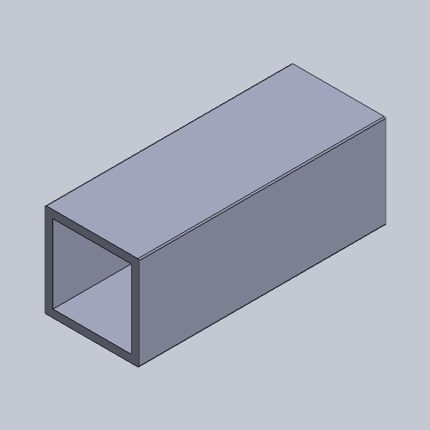
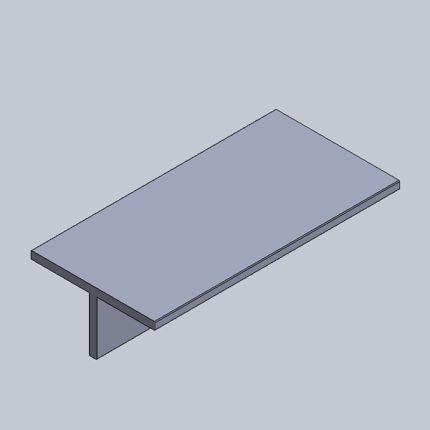
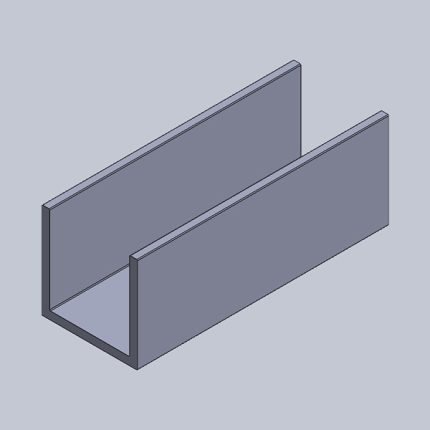
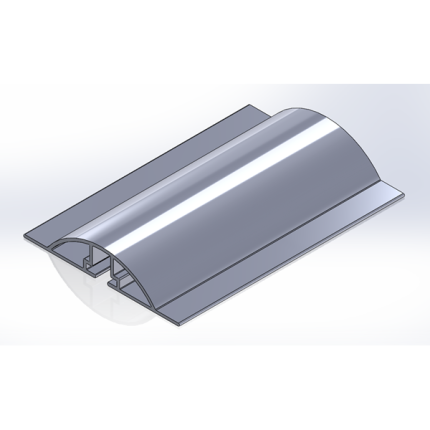
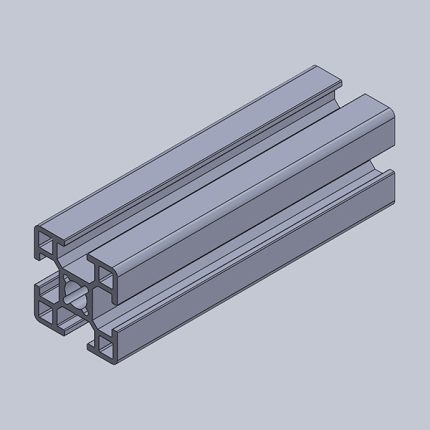
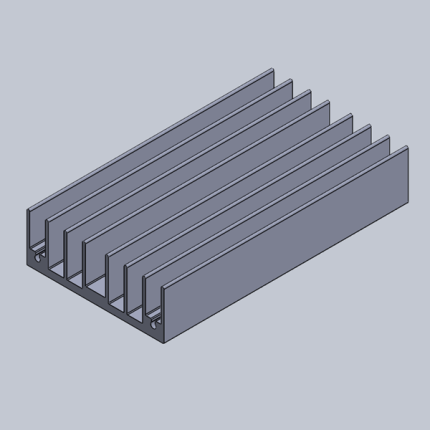
- Custom Extrusion Development
- Manufacturing Engineering
- Precision Fabrication
- Surface Finishing
- Quality Assurance
- Installation Support
The objective is to maximize the advantages of aluminium while ensuring safety, reliability, and cost-effectiveness.
Understanding Aluminium Fabrication
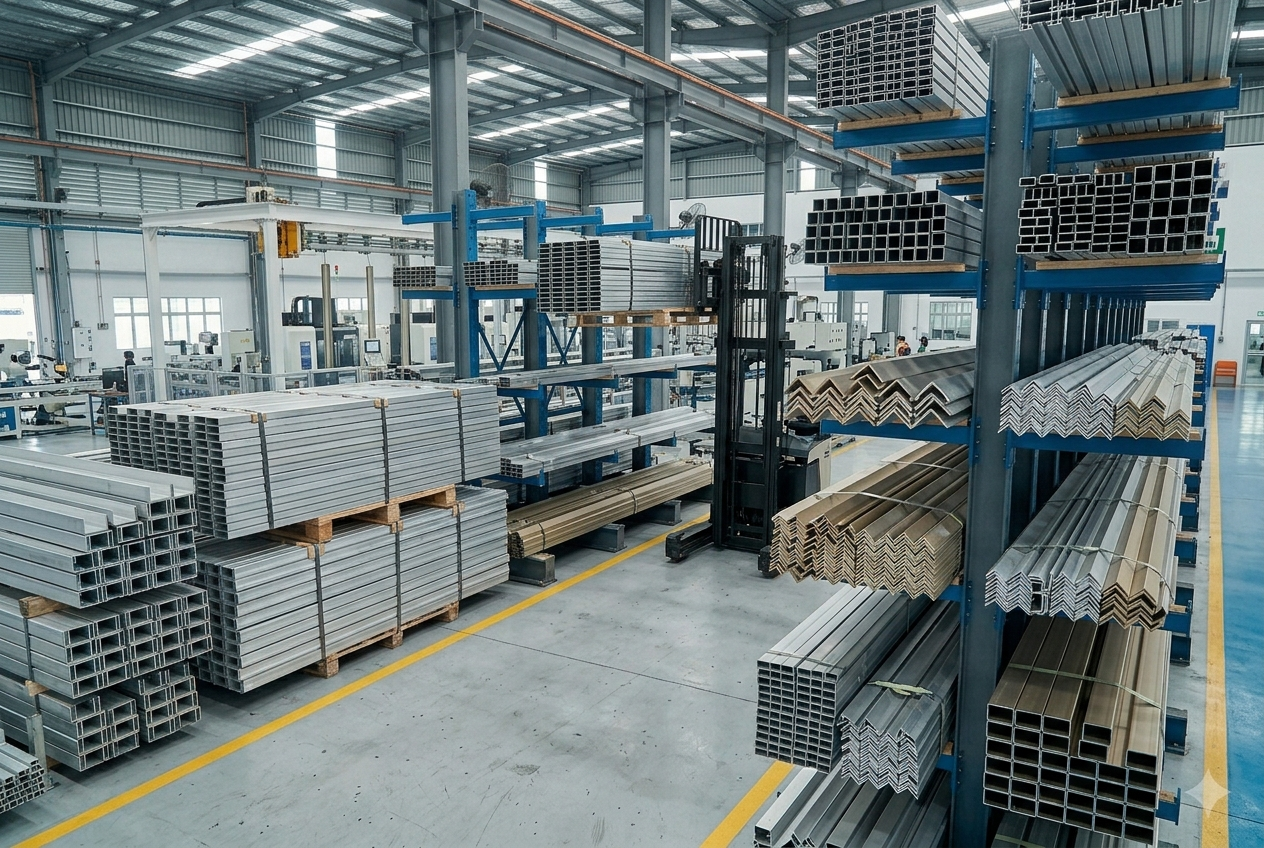
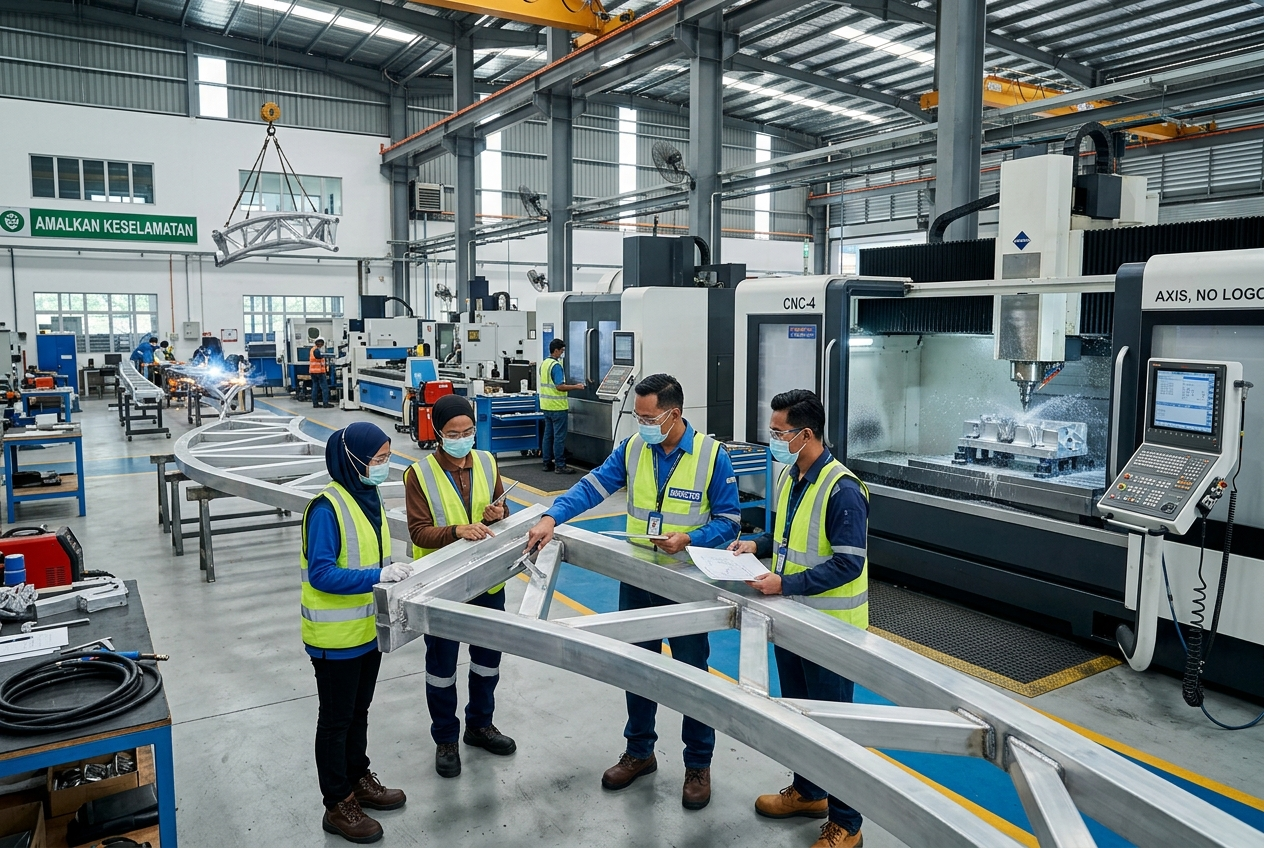
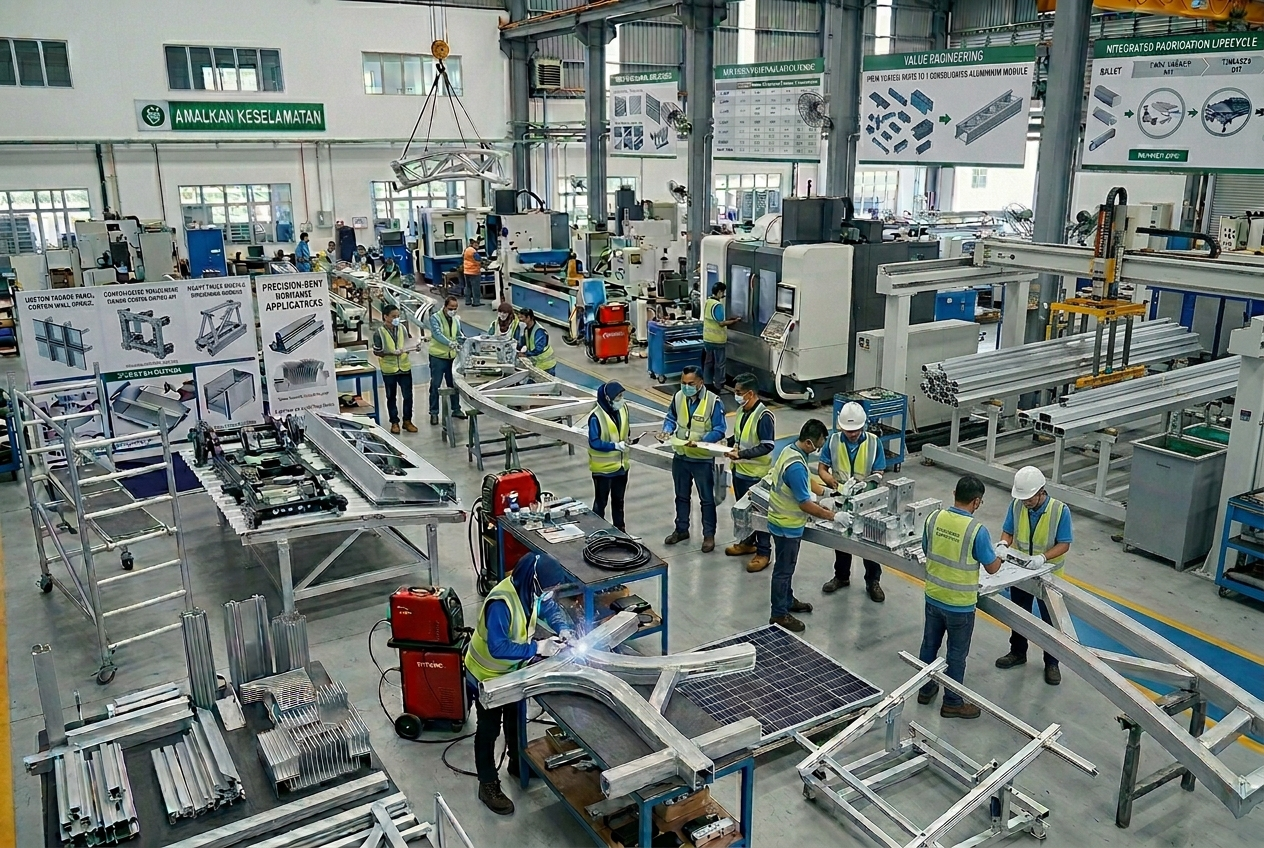
Aluminium fabrication is the process of transforming raw aluminium materials into finished components, assemblies, and structures.
Fabrication involves a variety of manufacturing techniques including:
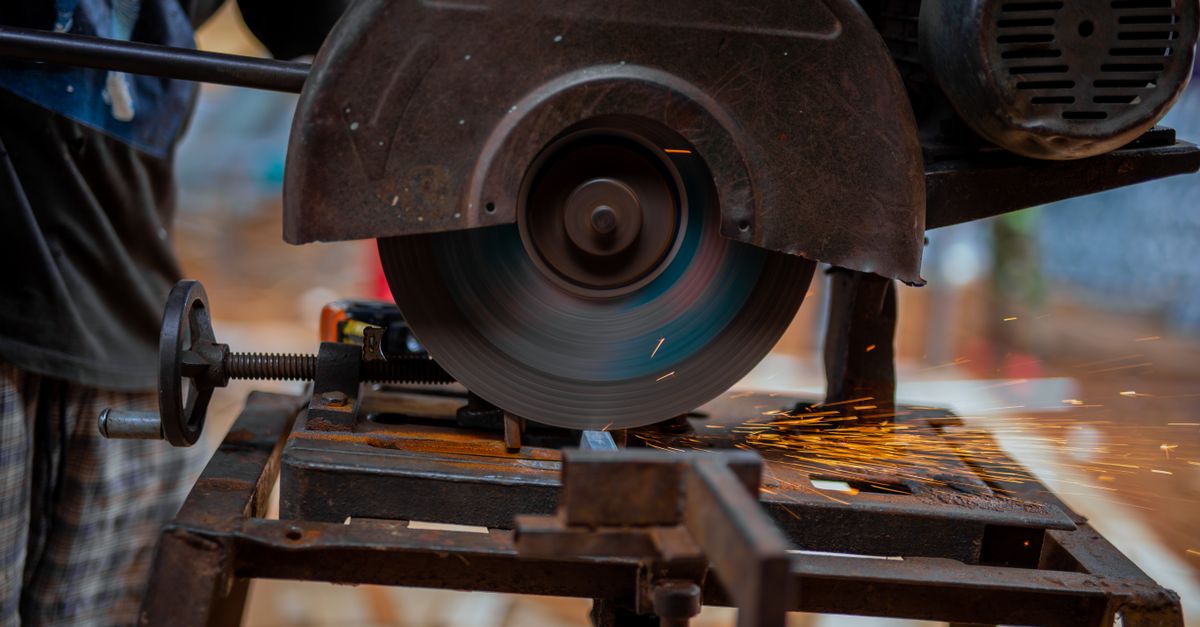
Aluminium Cutting
Precision cutting processes ensure materials are accurately prepared according to engineering drawings and specifications.
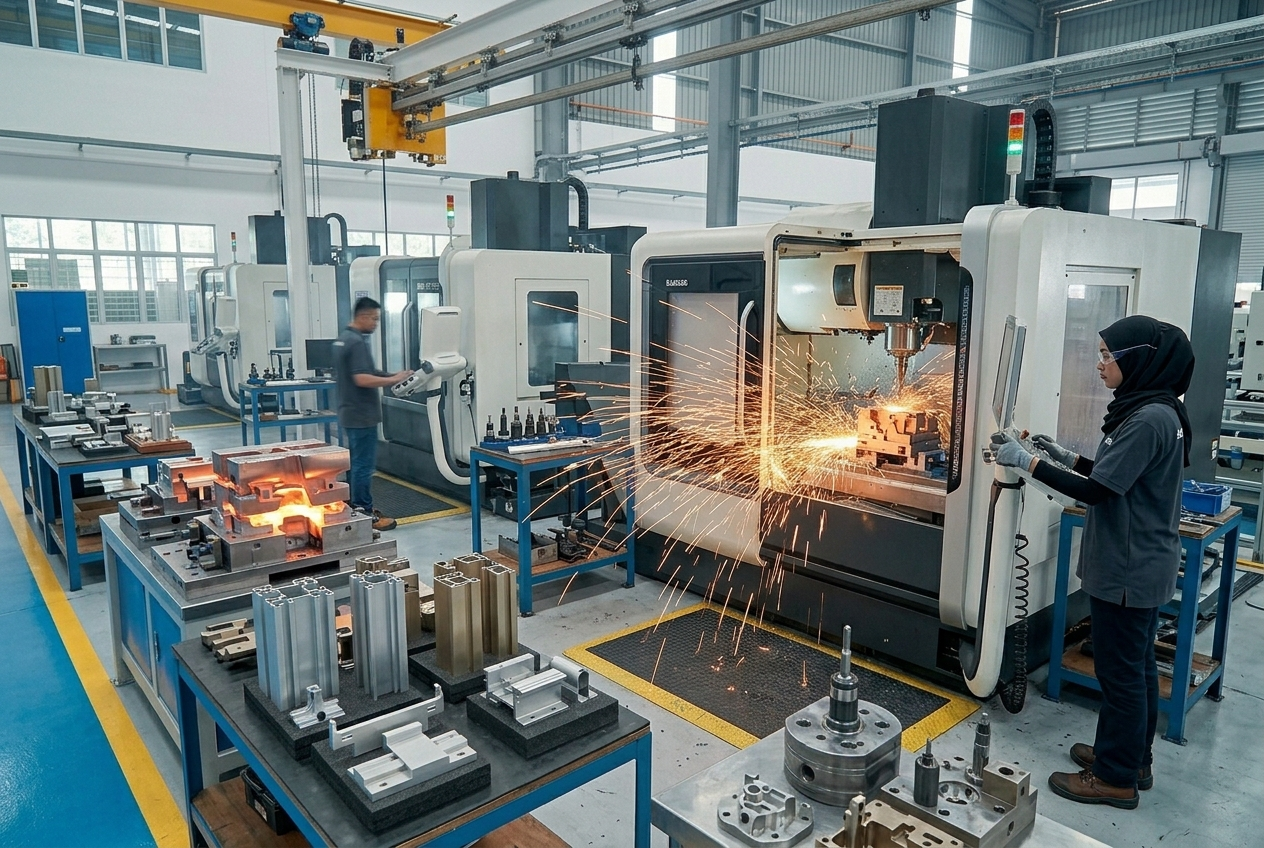
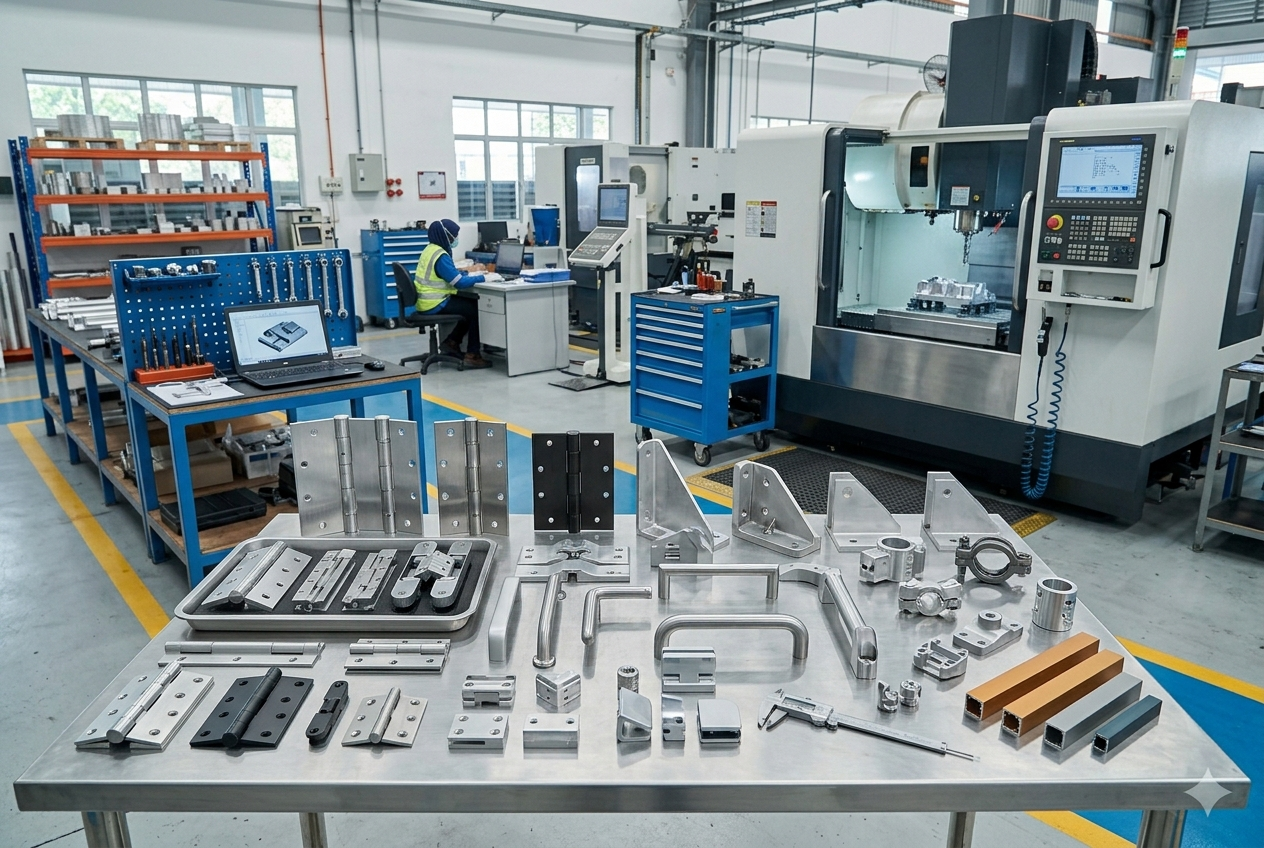
CNC Machining
Computer-controlled machining allows manufacturers to achieve exceptional precision and consistency for complex components.
Aluminium Bending
Bending techniques create custom shapes required for architectural, industrial, and structural applications.
Aluminium Welding
Advanced welding processes join aluminium components while maintaining structural integrity and performance.
Assembly
Multiple fabricated components are assembled into complete systems ready for installation and operation.
The combination of these fabrication methods enables manufacturers to produce highly customized solutions across numerous industries.
Why Aluminium Is the Preferred Engineering Material
Lightweight Strength
One of aluminium’s greatest advantages is its remarkable strength-to-weight ratio.
Compared to steel, aluminium can significantly reduce overall structure weight while maintaining excellent mechanical performance.
Benefits include:
- Easier transportation
- Reduced installation costs
- Lower structural loads
- Improved efficiency
Superior Corrosion Resistance
Malaysia’s tropical climate presents significant challenges for construction materials.
Aluminium naturally forms a protective oxide layer that resists corrosion, making it ideal for:
- Coastal environments
- Outdoor structures
- Transportation systems
- Industrial facilities
This resistance reduces maintenance requirements and extends service life.
Excellent Sustainability Profile
Environmental sustainability has become increasingly important for modern businesses.
Aluminium is:
- 100% recyclable
- Energy efficient during use
- Long-lasting
- Environmentally responsible
Recycled aluminium retains virtually all of its original properties, making it one of the world’s most sustainable engineering materials.
Exceptional Design Flexibility
Aluminium can be engineered into nearly unlimited shapes and configurations.
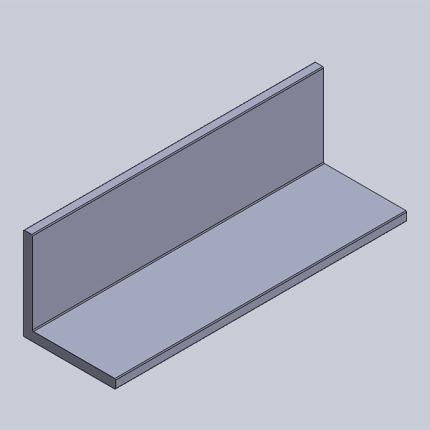
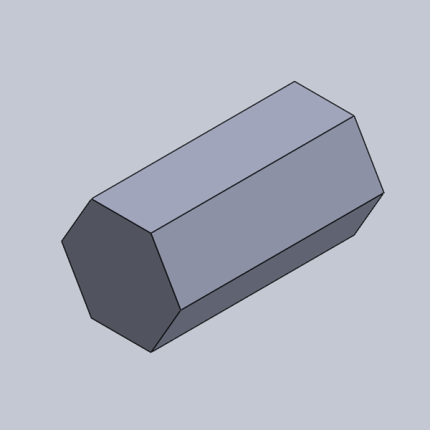
Custom extrusion technology enables manufacturers to create profiles tailored precisely to project requirements.
This flexibility allows engineers to:
- Reduce component count
- Improve functionality
- Simplify assembly
- Lower production costs
The Aluminium Engineering Process
Successful aluminium engineering projects typically follow a structured process.
Project Consultation
The process begins with understanding project requirements including:
- Functional objectives
- Performance expectations
- Budget constraints
- Timeline requirements
Engineering teams work closely with stakeholders to identify optimal solutions.
Concept Development
Engineers develop concepts that address:
- Structural requirements
- Manufacturing feasibility
- Cost efficiency
- Regulatory compliance
Early-stage optimization helps prevent costly revisions later in the project.
Design Engineering
Detailed engineering activities include:
- CAD Modeling
- Structural Calculations
- Material Selection
- Load Analysis
- Prototype Design
Modern engineering software allows precise simulation before manufacturing begins.
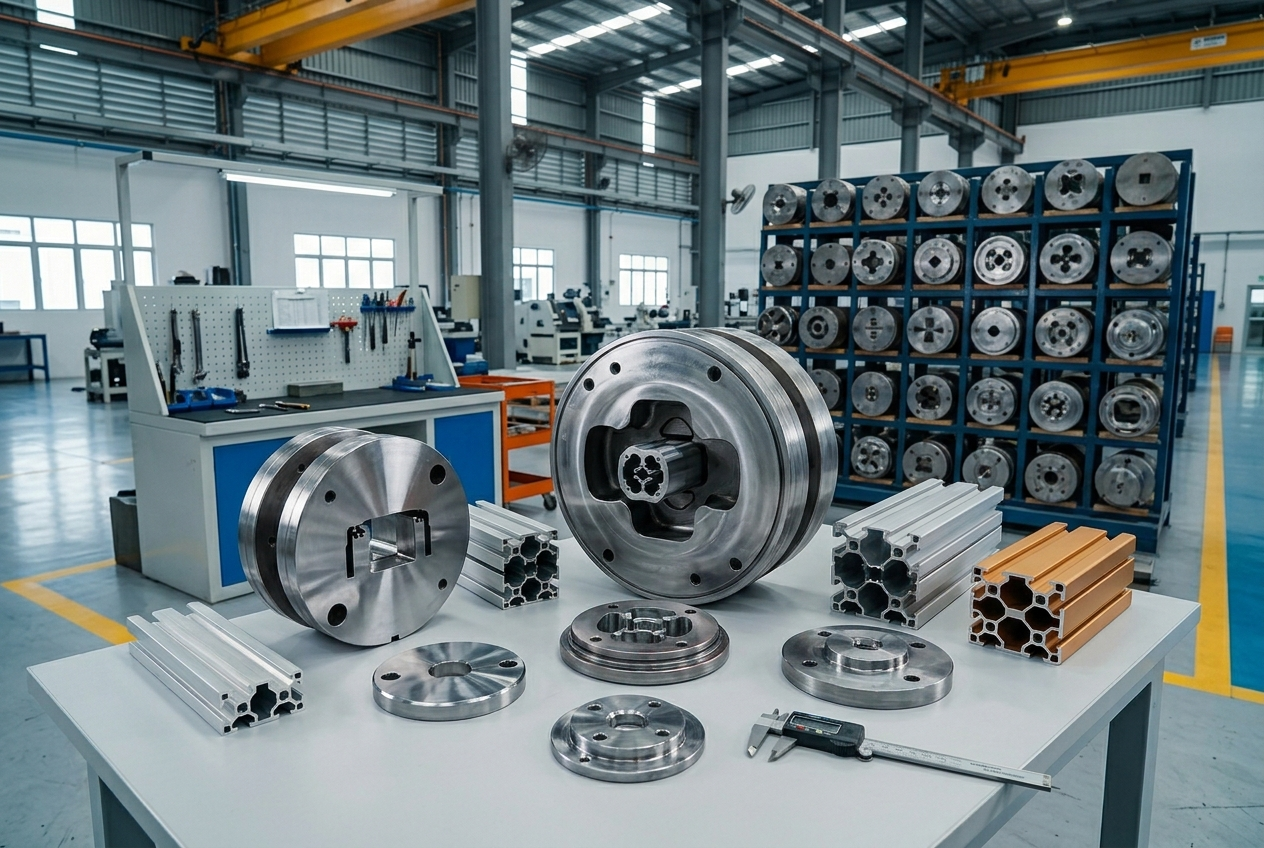
Custom Extrusion Development
When standard profiles cannot meet project needs, custom aluminium extrusions are developed.
This involves:
- Profile Design
- Die Engineering
- Prototype Production
- Performance Testing
Custom profiles often improve functionality while reducing overall manufacturing costs.
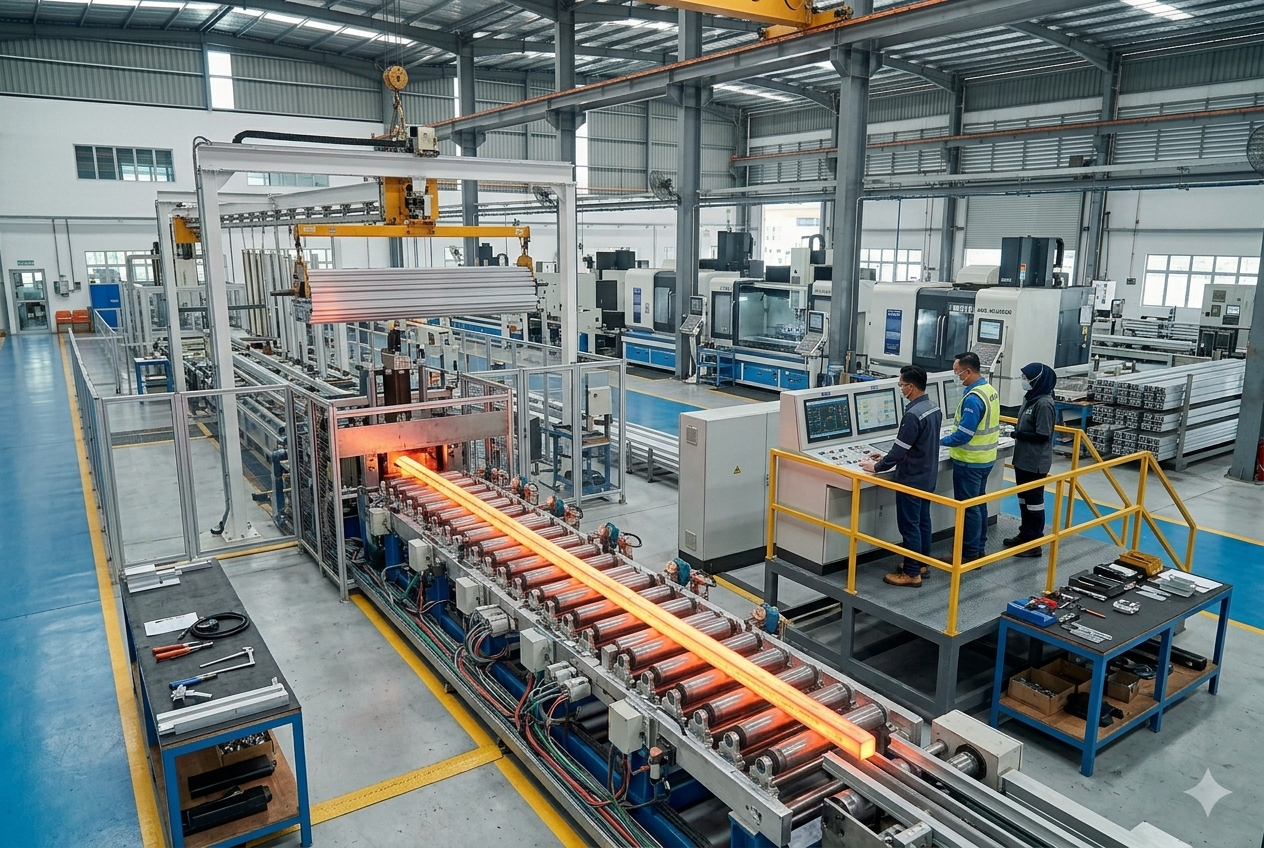
Fabrication & Manufacturing
Manufacturing processes may include:
- CNC Machining
- Precision Cutting
- Welding
- Bending
- Assembly
Quality control procedures are implemented throughout production.
Surface Finishing
Finishing processes improve appearance, durability, and corrosion resistance.
Common options include:
Anodizing
Creates a highly durable protective oxide layer.
Powder Coating
Provides decorative and protective finishes in a wide range of colors.
Mechanical Finishing
Enhances surface appearance and texture.
Major Applications of Aluminium Engineering
Infrastructure Projects
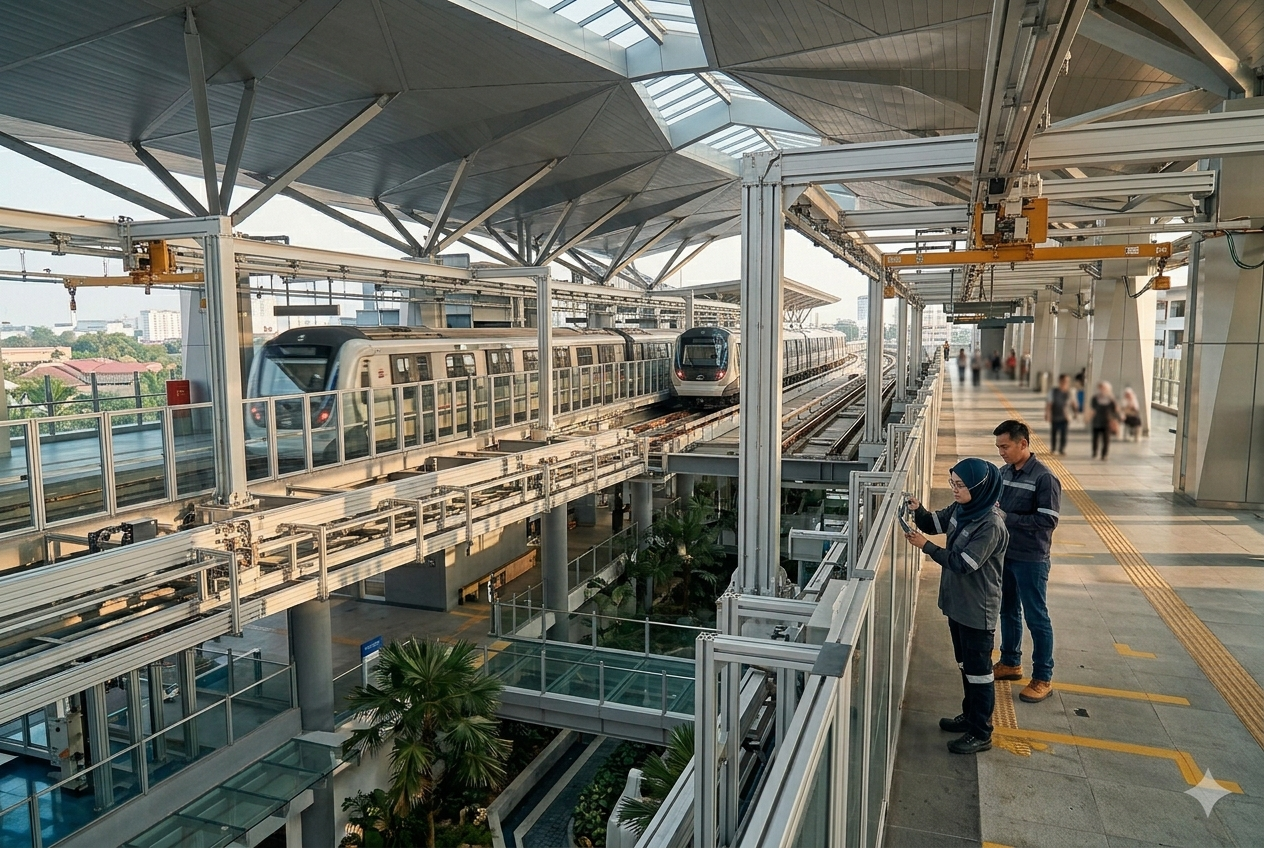
Aluminium is widely used in infrastructure developments due to its durability and low maintenance requirements.
Applications include:
- MRT Systems
- LRT Systems
- Railway Stations
- Sound Barriers
- Pedestrian Bridges
- Transportation Facilities
The material’s long lifespan makes it ideal for public infrastructure projects.
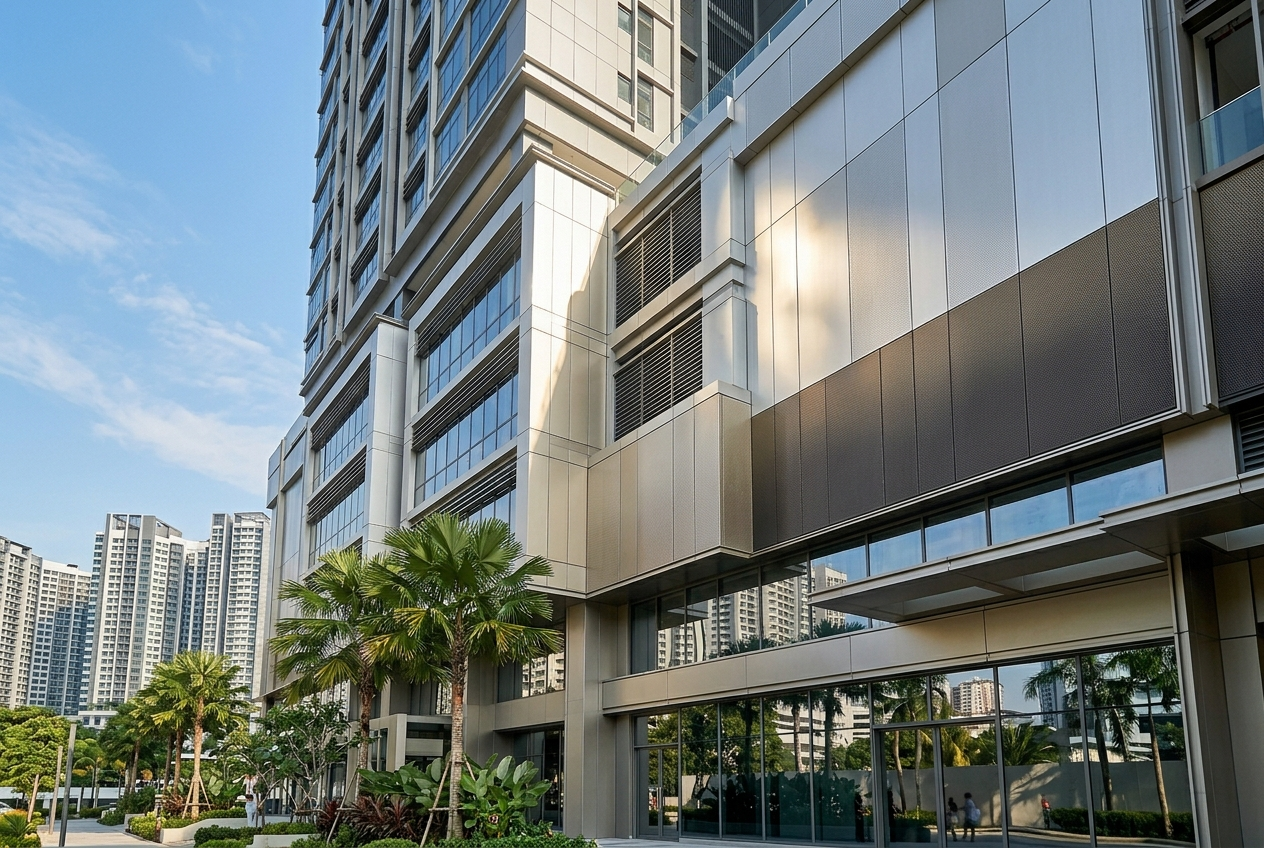
Architectural Applications
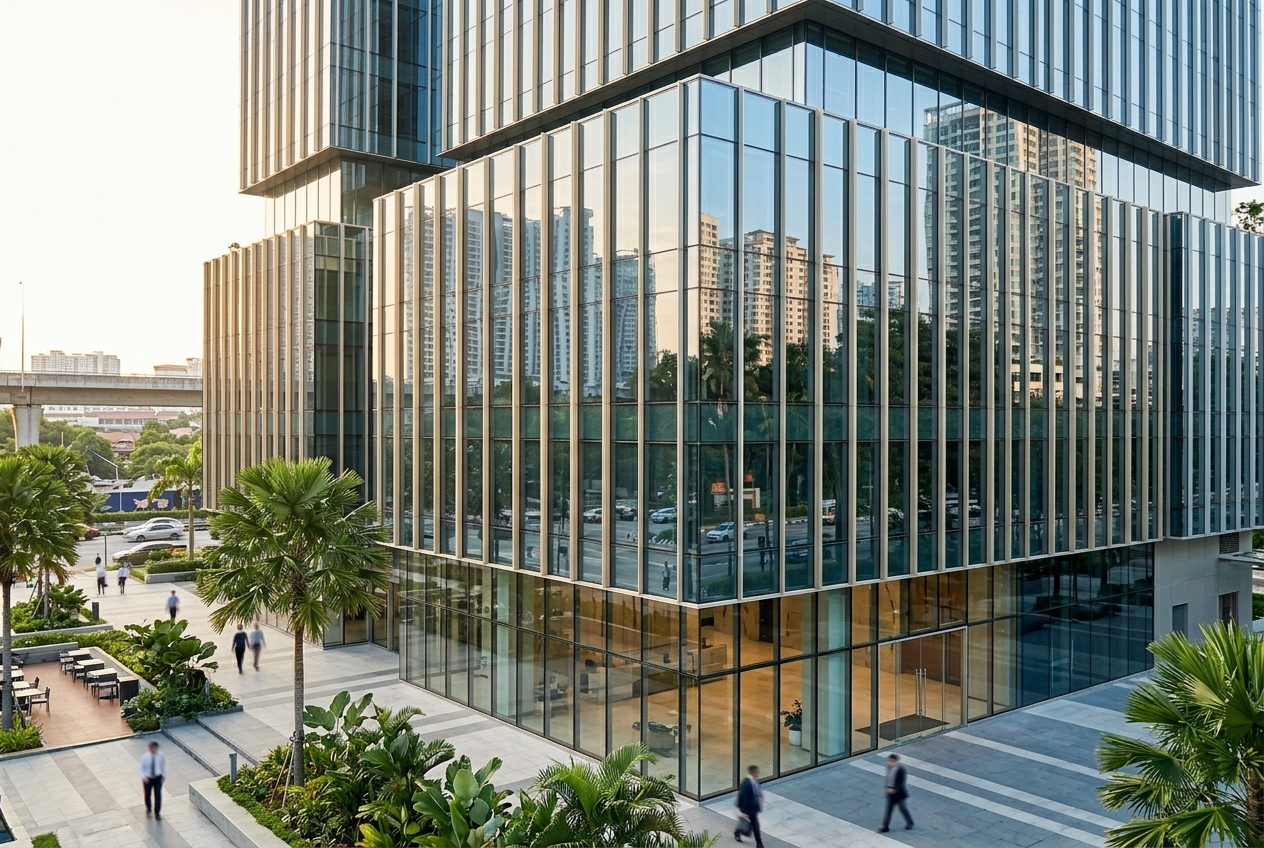
Architects increasingly specify aluminium because of its combination of aesthetics and performance.
Popular applications include:
- Curtain Walls
- Building Facades
- Louvres
- Canopies
- Decorative Features
- Sun Shading Systems
Custom fabrication allows virtually unlimited design possibilities.
Industrial Manufacturing
Manufacturers utilize aluminium engineering for:
- Machine Frames
- Production Equipment
- Conveyor Systems
- Automation Structures
- Equipment Enclosures
Lightweight designs improve operational efficiency while reducing maintenance costs.
Renewable Energy Systems
The renewable energy sector relies heavily on aluminium engineering.
Applications include:
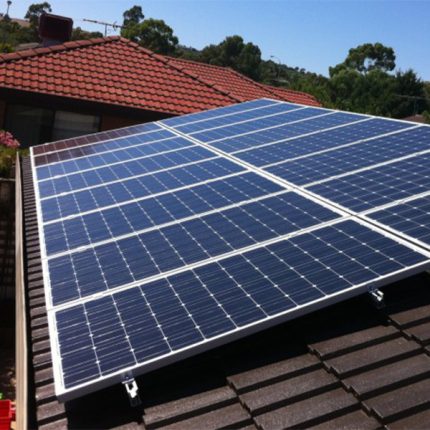
- Solar Mounting Systems
- Energy Infrastructure
- Equipment Supports
- Battery Enclosures
Corrosion resistance ensures long-term outdoor performance.
Logistics & Transportation
Transportation industries benefit from aluminium’s lightweight properties.
Applications include:
- Vehicle Components
- Cargo Systems
- Storage Solutions
- Loading Equipment
Reduced weight improves fuel efficiency and operational performance.
Benefits of Working with an Integrated Aluminium Engineering Company
Choosing an engineering company with complete in-house capabilities offers significant advantages.
Better Quality Control
Integrated operations provide greater oversight throughout the manufacturing process.
Quality standards can be maintained consistently from raw material selection through final delivery.
Faster Project Completion
Managing all processes internally reduces delays associated with third-party subcontractors.
Projects can move more efficiently from design to production.
Improved Communication
Direct collaboration between engineering and manufacturing teams minimizes misunderstandings and accelerates problem resolution.
Cost Efficiency
Integrated production often reduces:
- Logistics costs
- Production delays
- Material waste
- Administrative complexity
Emerging Trends in Aluminium Engineering
Smart Manufacturing
Automation and Industry 4.0 technologies are transforming aluminium fabrication.
Advanced systems improve:
- Precision
- Productivity
- Traceability
- Quality Control
Sustainable Construction
Green building initiatives continue driving demand for aluminium due to its recyclability and long service life.
Advanced Structural Systems
Modern engineering techniques allow aluminium to be used in increasingly complex structural applications.
Precision CNC Manufacturing
Advanced machining technologies continue expanding the possibilities of aluminium engineering.
Manufacturers can now achieve tighter tolerances and greater design complexity than ever before.
Frequently Asked Questions About Aluminium Engineering & Fabrication
What is aluminium engineering?
Aluminium engineering involves designing, developing, manufacturing, and implementing aluminium-based systems and products for industrial, commercial, and infrastructure applications.
What is aluminium fabrication?
Aluminium fabrication transforms raw aluminium materials into finished products through cutting, machining, bending, welding, assembly, and finishing processes.
Why is aluminium better than traditional materials?
Aluminium offers a combination of lightweight strength, corrosion resistance, sustainability, design flexibility, and long-term cost efficiency.
Can aluminium be custom designed?
Yes. Custom aluminium extrusion and fabrication allow engineers to create highly specialized profiles and structures tailored to specific project requirements.
What industries use aluminium engineering solutions?
Construction, infrastructure, transportation, manufacturing, renewable energy, telecommunications, logistics, and public-sector projects commonly utilize aluminium engineering solutions.
How long do aluminium structures last?
Properly engineered aluminium structures can provide decades of reliable service with minimal maintenance requirements.
Is aluminium environmentally friendly?
Yes. Aluminium is 100% recyclable and retains its properties through repeated recycling processes.
Why choose a professional aluminium engineering company?
Experienced engineering companies provide technical expertise, quality assurance, manufacturing capability, and project management support that help ensure successful project outcomes.
Why Aluminium Engineering Matters for Future Development
As industries continue prioritizing efficiency, sustainability, durability, and innovation, aluminium engineering will play an increasingly important role in shaping modern infrastructure and industrial development.
Its unique combination of strength, lightweight performance, corrosion resistance, and recyclability makes aluminium one of the most valuable engineering materials available today.
Organizations seeking long-term value increasingly recognize that professionally engineered aluminium solutions can reduce lifecycle costs, improve operational performance, and support sustainability objectives simultaneously.
Whether supporting transportation networks, industrial manufacturing facilities, commercial buildings, renewable energy projects, or architectural developments, aluminium engineering continues to provide practical solutions for modern engineering challenges.
By partnering with an experienced aluminium engineering and fabrication specialist, businesses gain access to advanced design capabilities, precision manufacturing expertise, and customized solutions that help transform concepts into successful projects.
For companies planning infrastructure, commercial, industrial, or architectural developments, aluminium remains one of the smartest investments for performance, longevity, and future-ready engineering.