

Aluminium Extrusion Dies Guide for Manufacturers in Selangor, Malaysia

What Are Aluminium Extrusion Dies and How Do They Work?
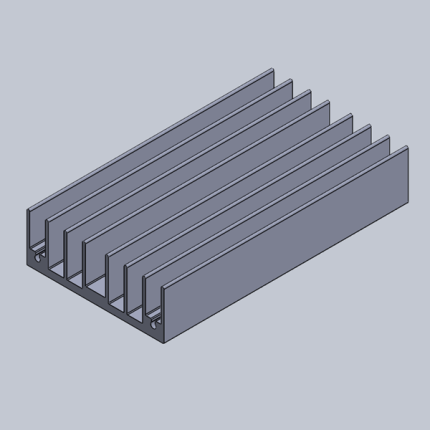
Aluminium extrusion dies are precision‑machined tools, usually made from hardened tool steel, that shape heated aluminium billets by forcing the metal through a contoured opening. The die determines the profile’s cross‑section, tolerances, and surface quality, acting as the core shaping element in the extrusion process.
These dies are typically made from hardened tool steel such as H13 or stainless steel, depending on the alloy being extruded and the expected production volume. Key functions of an extrusion die include:
- Shaping the molten aluminium into the desired cross‑section.
- Providing bearing surfaces that stabilize metal flow.
- Incorporating vents to release trapped gases.
- Offering relief angles to reduce friction and wear.
Why Are Extrusion Dies Critical for Aluminium Manufacturing in Selangor?
In Selangor’s aluminium manufacturing sector, extrusion dies directly influence production efficiency, product quality, and cost competitiveness. A well‑designed die reduces scrap, minimizes press wear, and enables the creation of complex profiles demanded by local industries such as construction, automotive, and electronics, thereby supporting both domestic and export market success.
In Selangor’s aluminium manufacturing sector, extrusion dies directly affect production efficiency, product quality, and cost competitiveness. A well‑designed die reduces scrap, minimizes press wear, and enables the creation of complex profiles demanded by local industries such as construction, automotive, and electronics. The region’s focus on high‑value applications means die reliability translates directly into meeting tight tolerances and delivery schedules. Investing in quality die maintenance and timely refurbishment helps manufacturers avoid costly downtime and maintain a competitive edge in both domestic and export markets.
How to Select the Appropriate Die Material for Aluminium Extrusion?
Selecting the appropriate die material involves matching hardness, thermal conductivity, and wear resistance to the aluminium alloy, production volume, and profile complexity. Common choices include H13 tool steel for high‑volume runs, stainless steel for corrosion‑prone alloys, and carbide‑inserted dies for abrasive shapes, each offering distinct trade‑offs in lifespan and cost.
When selecting a die material, consider:
- Alloy type: Softer alloys like 6063 may allow softer die steels, while harder alloys such as 7075 demand more wear‑resistant materials.
- Production volume: High‑volume runs benefit from tougher steels that resist thermal fatigue.
- Profile complexity: Intricate shapes may require finer grain steels for better machinability.
- Cooling requirements: Materials with good thermal conductivity help dissipate heat and extend die life.
What Design Features Influence Die Performance and Longevity?
Key design features that affect die performance and longevity include bearing length, relief angles, venting, and tongue‑and‑groove geometry. Proper bearing length stabilizes metal flow, adequate relief reduces friction, effective venting releases trapped gases, and optimized tongue‑and‑groove maintains alignment under high pressure, together extending die life and improving product consistency.
Designers should also consider:
- Entry and exit tapers: Smooth transitions reduce shock loading.
- Coolant channels: Integrated cooling helps manage temperature spikes.
- Modular inserts: Allow quick replacement of worn sections without changing the entire die.
- Surface treatments: Nitriding or coating can enhance hardness and reduce adhesion.
What Are Common Defects Caused by Die Issues and How to Prevent Them?
Common die‑related defects are surface lines, dimensional inaccuracies, and cracking. Surface lines stem from insufficient bearing or poor lubrication, dimensional errors arise from wear or thermal expansion, and cracking results from excessive stress or material fatigue. Preventive measures include regular inspection, proper cooling, lubrication, and timely die refurbishment.
Preventive measures involve regular inspection, proper cooling, and timely die refurbishment. Implementing a preventive maintenance schedule, using appropriate lubricants, and monitoring die temperature can significantly reduce defect rates and extend service life.
How Does the Extrusion Process Work in a Selangor Factory Setting?
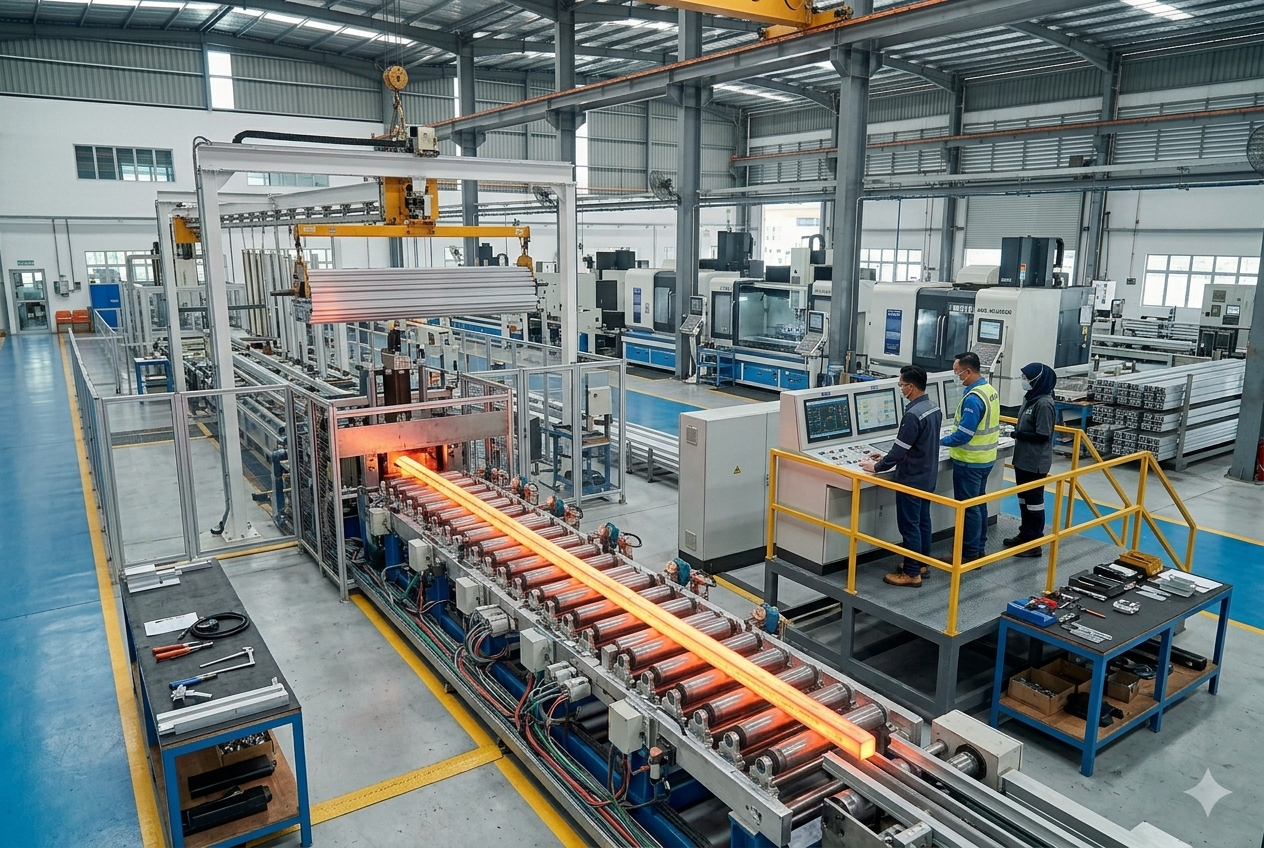
In a typical Selangor extrusion plant, aluminium billets are pre‑heated to 400‑500 °C, then forced through a die by a hydraulic press applying up to 2,500 tonnes of force. The emerging profile is cooled, stretched, and cut to length before ageing or surface treatment to meet specifications.
The process begins with billet loading into the heater, followed by transfer to the press where the dummy block builds pressure. After extrusion, the profile passes through a quenching tank, then a stretcher to straighten it, and finally a saw or shear cuts it to the required length. Post‑extrusion treatments such as anodizing or powder coating are applied based on customer requirements.
What Equipment Is Used Alongside Dies in the Extrusion Line?
Besides the die, the extrusion line includes a billet heater, pressure container (dummy block), ram, quenching system, stretcher, and saw or shear. Ancillary equipment such as lubrication sprayers, temperature sensors, and die‑change carts support consistent operation, quick die turnover, and overall line reliability.
Effective integration of these components ensures smooth billet flow, consistent pressure, and rapid cooling, which are essential for maintaining profile quality and maximizing press uptime. Regular calibration of sensors and timely replacement of worn parts further enhance line reliability.
Where Can Selangor Manufacturers Source High‑Quality Extrusion Dies and Related Services?
Selangor manufacturers can obtain high‑quality extrusion dies from specialized tooling firms, overseas OEMs, or local machining workshops that provide design, fabrication, heat treatment, and refurbishment services. Choosing a supplier familiar with local alloy profiles and production volumes ensures optimal die performance, shorter lead times, and accessible technical support.
Local workshops often offer faster response times for die repairs and modifications, while international suppliers may provide access to advanced die technologies and materials. Evaluating factors such as lead time, cost, technical support, and warranty helps manufacturers choose the best partner for their extrusion needs. Partnering with a supplier familiar with local alloy profiles and production volumes ensures optimal die performance, shorter lead times, and access to support such as Kamco Aluminium Services.
Frequently Asked Questions (FAQs)
What is the typical lifespan of an aluminium extrusion die?
The lifespan varies widely depending on material, design, and operating conditions, but a well‑maintained H13 die can last between 50,000 and 150,000 tonnes of extruded aluminium before requiring major refurbishment. Factors such as alloy abrasiveness, temperature control, and lubrication play a major role in determining actual service life.
How often should extrusion dies be inspected for wear?
Dies should be inspected visually after every production shift and measured with precision tools at least once a week to detect bearing wear, cracking, or dimensional changes. Regular inspections help catch early signs of deterioration, allowing timely maintenance and reducing the risk of unexpected downtime.
Can extrusion dies be repaired, or must they be replaced when damaged?
Many dies can be repaired through processes such as welding, re‑machining, heat treatment, and surface coating, which restore their original dimensions and performance characteristics. Replacement is only necessary when the die suffers catastrophic cracking, excessive wear that cannot be corrected, or when design changes make the existing die obsolete.
What role does lubrication play in extrusion die performance?
Lubrication reduces friction between the aluminium billet and the die surfaces, lowering the required pressing force and minimizing wear on bearing areas. Proper lubrication also helps control die temperature and prevents surface defects such as tearing or lines on the extruded profile.
Is it cost‑effective to invest in high‑grade die materials for low‑volume production?
For low‑volume runs, using a lower‑cost die material may be acceptable if the profile is simple and the alloy is not abrasive, as the die will not experience significant wear. However, investing in higher‑grade materials can still be worthwhile when tight tolerances, complex geometries, or corrosive alloys are involved, as it reduces the frequency of die changes and maintains consistent quality.