
Premium aluminium anodizing industrial aluminium anodizing Malaysia custom anodized extrusion suppliers architectural anodized profile manufacturing KL high-micron anodizing finishing services

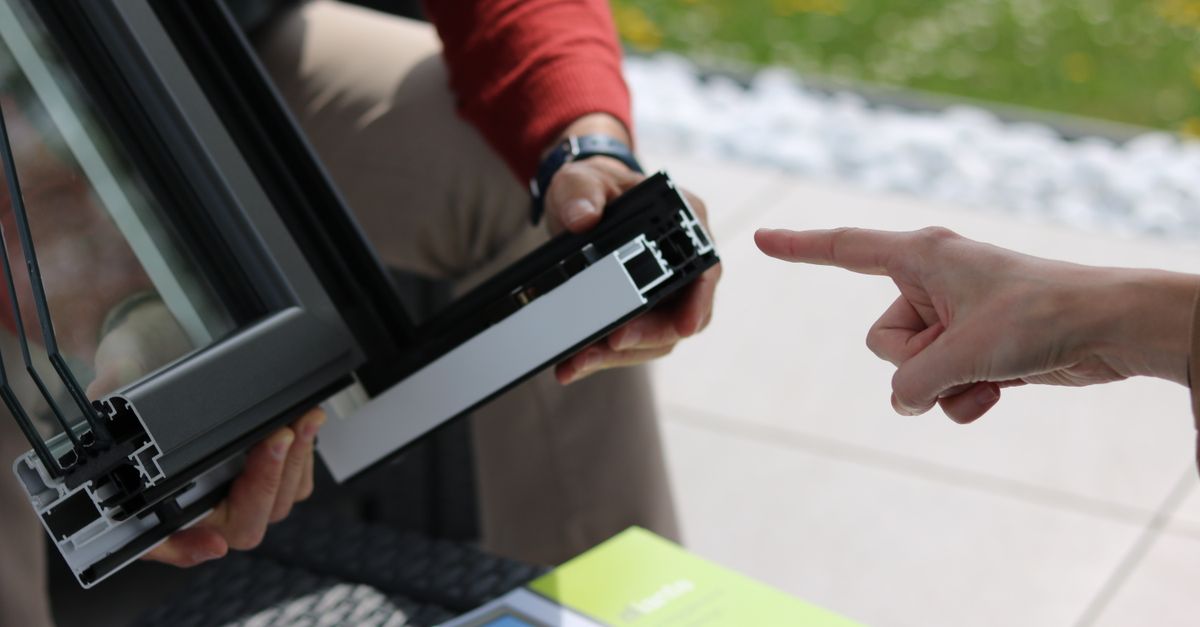
Premium aluminium anodizing industrial aluminium anodizing Malaysia custom anodized extrusion suppliers architectural anodized profile manufacturing KL high-micron anodizing finishing services
The global demand for advanced surface treatments has positioned aluminium anodizing as a critical process for enhancing durability, aesthetics, and corrosion resistance across multiple industries. As manufacturers seek reliable partners that combine technical expertise with consistent quality, understanding the nuances of anodizing technology becomes essential. This article explores the science, applications, and strategic advantages of aluminium anodizing, with a focus on how specialized services support construction, industrial, and architectural projects in Malaysia and beyond.
Fundamentals of Aluminium Anodizing: Process and Benefits
Aluminium anodizing is an electrochemical procedure that converts the metal surface into a durable, corrosion-resistant oxide layer. Unlike painting or plating, the anodic coating integrates with the aluminium substrate, providing exceptional adhesion and hardness. The process begins with cleaning and pre-treatment, followed by immersion in an electrolytic bath—typically sulphuric acid—where a controlled electric current promotes oxide growth. The resulting porous structure can be dyed for colour variation before sealing, which locks in the protective layer and enhances longevity.
Key benefits include improved wear resistance, thermal insulation, and electrical insulation. Anodized aluminium also exhibits superior UV stability, making it ideal for outdoor applications where colourfastness matters. Environmentally, the process generates minimal waste, and the aluminium remains fully recyclable after use. These attributes have driven adoption in sectors ranging from consumer electronics to heavy machinery, where performance and sustainability are paramount.
From a technical standpoint, coating thickness directly influences performance. Standard architectural applications often require thicknesses between 10 and 25 microns, while industrial settings may demand up to 50 microns or more for abrasive environments. The ability to tailor thickness and sealing methods allows manufacturers to meet specific functional and aesthetic requirements without compromising material integrity.
Types of Anodizing Processes: Sulphuric, Hardcoat, and Chromic
Three primary anodizing methods dominate industrial use: sulphuric acid anodizing, hardcoat anodizing, and chromic acid anodizing. Sulphuric acid anodizing is the most common, offering a balance of cost, colour range, and moderate hardness suitable for decorative and functional parts. Hardcoat anodizing, conducted at lower temperatures and higher voltages, produces thicker, denser coatings exceeding 50 microns, ideal for engineering components subjected to wear and thermal stress.
Chromic acid anodizing, though less prevalent due to environmental concerns, yields thinner, more pliable coatings that retain fatigue strength—critical for aerospace applications. Each method involves distinct parameters: electrolyte composition, temperature, voltage, and duration. Selecting the appropriate type depends on factors such as base alloy, desired colour, mechanical load, and regulatory compliance.
Advancements in pulse power supplies and additive-free electrolytes have improved coating uniformity and reduced energy consumption. Modern facilities integrate real-time monitoring of bath chemistry and temperature, ensuring consistent results across large production batches. These innovations support high-mix manufacturing environments where product variability demands flexible yet reliable finishing solutions.
Industrial & Custom Extrusion Applications: Meeting Sector-Specific Needs
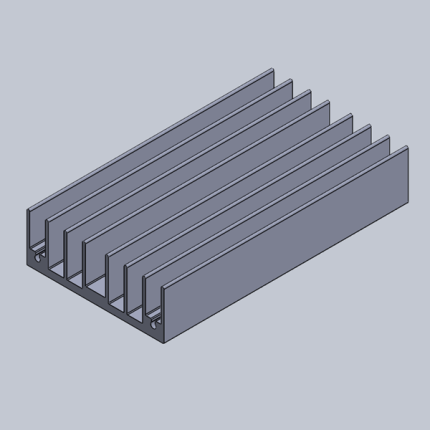
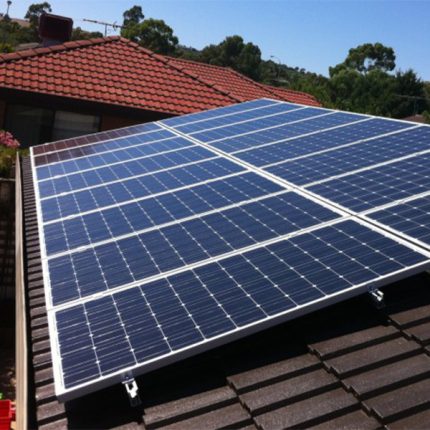
In the industrial aluminium anodizing Malaysia landscape, manufacturers rely on anodized extrusions for machine frames, heat sinks, solar panel mounts, and automation components. The process enhances surface hardness, reduces galling in moving parts, and provides a non-conductive layer for electrical enclosures. Custom extrusion profiles, when anodized, gain added value through improved corrosion resistance in humid or chemically active environments, extending service life and reducing maintenance costs.
Industrial designers often specify anodized aluminium for its lightweight yet rigid characteristics, enabling the construction of modular systems that are easy to assemble and reconfigure. The ability to incorporate brand-specific colours through organic or inorganic dyes allows companies to maintain visual identity across product lines. Furthermore, anodized surfaces are compatible with subsequent processes such as laser engraving or CNC machining, expanding post-finishing customization options.
Supply chain resilience is another advantage. Localized anodizing facilities reduce lead times and transportation risks, particularly for just-in-time manufacturing models. By partnering with suppliers that offer integrated extrusion and finishing services, companies can streamline production, minimize handling errors, and achieve tighter tolerances. This end-to-end approach supports scalable operations from prototyping to high-volume runs.
Custom Anodized Extrusion Suppliers: Enabling Tailored Solutions
Working with specialized custom anodized extrusion suppliers provides access to engineering expertise that bridges design intent and manufacturability. These suppliers typically maintain in-house mould shops, precision presses, and dedicated anodizing lines, allowing tight control over dimensional accuracy and surface quality. Early-stage collaboration helps optimize wall thickness, rib placement, and tolerance stacks to prevent issues such as uneven coating or distortion during thermal cycling.
Value-added services include colour matching, lot traceability, and compliance documentation for industries such as automotive, medical devices, and renewable energy. Suppliers may also offer secondary operations like CNC milling, drilling, or welding, transforming raw extrusions into ready-to-install components. For projects requiring tight schedules, some facilities provide expedited processing with guaranteed turnaround times, supported by inventory buffers and flexible scheduling.
Quality assurance protocols often adhere to international standards, with regular audits verifying coating thickness, seal quality, and adhesion strength. Advanced testing methods such as cyclic salt spray, UV exposure, and microhardness evaluation ensure that finished products meet performance expectations. By choosing a supplier with proven capabilities, manufacturers reduce risk and gain confidence in the reliability of their anodized components.
Architectural Anodized Profiles: Design, Performance, and Urban Integration
The phrase architectural anodized profile manufacturing KL reflects a growing trend in Malaysia’s construction sector, where developers and architects specify anodized aluminium for façades, window systems, louvers, and structural elements. Anodizing provides a sleek, metallic finish that resists fading, chalking, and staining—critical for maintaining aesthetic appeal in tropical climates. The process also enhances resistance to salt spray and pollution, making it suitable for coastal and urban environments.
Design flexibility is a key advantage. Anodized aluminium can be fabricated into complex shapes, including curves, perforations, and integrated lighting channels. The material’s compatibility with dry glazing systems and mechanical fastening simplifies installation while preserving thermal break performance. Fire ratings, when combined with appropriate alloys and coatings, meet stringent building code requirements for high-rise structures.
Sustainability considerations further drive specification. Aluminium is infinitely recyclable, and the anodizing process does not introduce hazardous substances that impede recyclability. Projects pursuing green building certifications such as LEED, BREEAM, or GBI often favour anodized aluminium due to its low environmental impact and potential for contributing to recycled content credits. Life-cycle assessments consistently show lower carbon footprints compared to painted or laminated alternatives.
High-Micron Anodizing Finishing Services: Durability for Demanding Conditions
For applications exposed to extreme wear, chemical exposure, or thermal cycling, high-micron anodizing finishing services deliver coatings that exceed standard thicknesses, often ranging from 50 to 100 microns or more. These thick films provide a robust barrier against abrasion, making them ideal for conveyor systems, hydraulic pistons, and industrial machinery components. The increased hardness—sometimes surpassing 500 HV—reduces surface degradation and extends maintenance intervals.
The hardcoat process achieves these properties through precise control of bath temperature (often near freezing) and current density, resulting in a dense, non-porous oxide layer that requires specialized sealing techniques. Post-seal treatments such as nickel acetate or cold sealing further enhance corrosion resistance without compromising hardness. Colour options are more limited due to the dense structure, but black, bronze, and natural shades remain achievable through inorganic dyes or electrolytic colouring.
Industries such as defence, oil and gas, and heavy equipment manufacturing rely on high-micron anodizing for components that must endure harsh operating conditions while maintaining dimensional stability. Certification to standards like MIL-A-8625 or ISO 7599 ensures that coatings meet rigorous performance benchmarks. Suppliers offering these services typically invest in specialized rectifiers, chillers, and waste treatment systems to manage the higher energy and chemical demands of thick-film production.
Quality, Certifications & Sustainability: Building Trust in Finishing Partnerships
Reputable aluminium finishing providers demonstrate commitment to excellence through internationally recognized certifications. ISO 9001:2015 validates quality management systems, ensuring consistent processes, traceability, and continuous improvement. ISO 14001:2015 confirms effective environmental management, covering waste reduction, energy efficiency, and regulatory compliance. These standards collectively signal a supplier’s ability to deliver reliable, responsible services.
Beyond certifications, leading facilities invest in staff training, calibration of measurement instruments, and participation in proficiency testing programs. In-house laboratories often conduct coating thickness measurements using X-ray fluorescence (FISO) or eddy current probes, seal quality via dye immersion tests, and adhesion strength through tape or bend testing. Documentation of these tests accompanies each batch, providing clients with verifiable proof of conformity.
Sustainability initiatives extend to water recycling, fume scrubbing, and the use of eco-friendly sealants. Some manufacturers have adopted solar-powered rectifiers or implemented heat recovery systems to lower carbon emissions. Transparency in reporting—through sustainability disclosures or third-party audits—helps clients align their procurement with corporate ESG goals. As environmental regulations tighten, partners with proactive green practices gain competitive advantage.
Case Studies & Project Highlights: Real-World Impact
Across Malaysia, anodized aluminium has contributed to landmark projects that showcase both aesthetic ambition and technical resilience. The One Soho Subang development features custom-anodized window louvres that maintain colour integrity despite constant exposure to sunlight and rain. Subang Parkhomes utilized extruded and anodized balcony railings that resist corrosion in a high-humidity environment, reducing long-term maintenance costs for residents.
In the industrial sector, a solar farm in Kedah employed anodized aluminium mounting structures designed to withstand decades of UV exposure and thermal cycling. The high-micron coating provided abrasion resistance against dust and sand, preserving structural efficiency. Similarly, the production line for a multinational electronics manufacturer integrated anodized heat sinks that improved thermal dissipation, enabling higher performance without overheating risks.
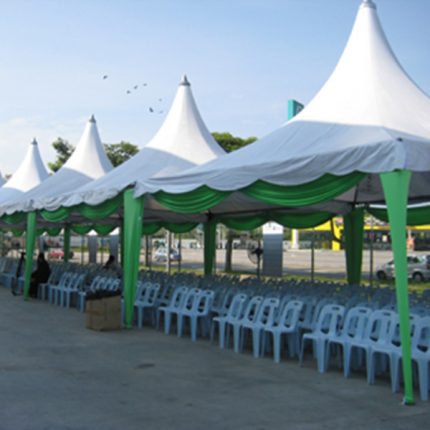
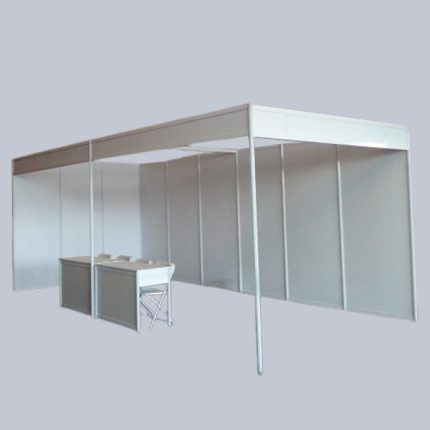
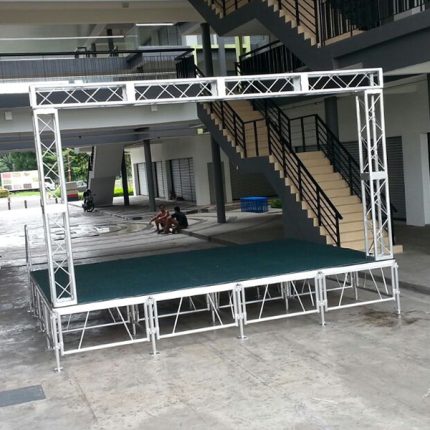
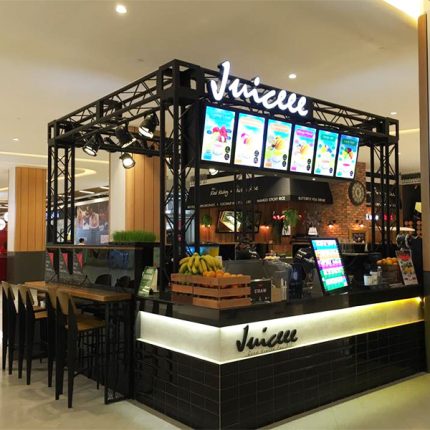
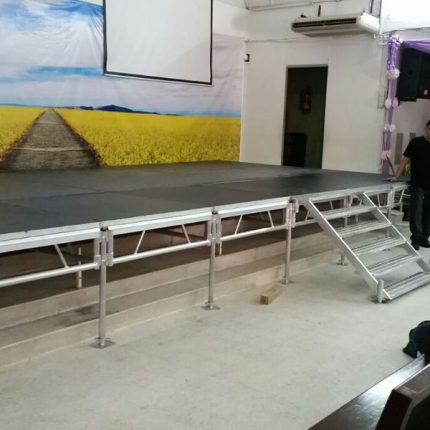
Event infrastructure also benefits: modular stages and kiosks for international exhibitions have used anodized extrusions for lightweight, durable frames that can be repeatedly assembled and disassembled. The non-conductive surface enhanced safety in venues with extensive electrical lighting and audio equipment. These examples illustrate how tailored anodizing solutions support diverse objectives—from visual appeal to functional longevity—while adhering to strict quality benchmarks.
Future Outlook & Innovation: Advancing Anodizing Technology
The evolution of aluminium anodizing is shaped by demands for greater efficiency, enhanced functionality, and reduced environmental footprint. Emerging trends include pulse reverse anodizing, which improves coating uniformity and reduces energy consumption by alternating current direction. Nanocomposite sealants incorporating silica or titanium dioxide nanoparticles offer superior scratch resistance and UV stability, extending the lifespan of decorative finishes.
Digitalization plays an increasing role, with AI-driven process optimization predicting optimal parameters based on alloy composition, geometry, and desired properties. Cloud-based manufacturing execution systems (MES) enable real-time tracking of batches, facilitating predictive maintenance and minimizing downtime. Augmented reality (AR) tools assist technicians in complex masking or fixturing tasks, improving yield and reducing human error.
Research into alternative electrolytes—such as borate-sulphate mixtures or organic-acid-based baths—aims to reduce reliance on hazardous chemicals while maintaining coating quality. Circular economy initiatives focus on recovering aluminium from anodizing sludge and reusing sealed baths through purification technologies. As these innovations mature, they will empower manufacturers to achieve higher performance targets while aligning with global sustainability commitments.
Looking ahead, the integration of anodizing with additive manufacturing presents exciting possibilities. Hybrid processes that combine 3D-printed aluminium structures with selective anodizing could create functionally graded components with tailored surface properties. Continued collaboration between material scientists, equipment vendors, and end-users will drive the next generation of advancements, ensuring that aluminium anodizing remains a cornerstone of modern engineering and design.
Conclusion
Aluminium anodizing stands at the intersection of performance, aesthetics, and sustainability, offering a versatile solution for industries that demand durability without compromise. From precision-engineered industrial components to iconic architectural façades, the process delivers measurable benefits in corrosion resistance, wear protection, and design flexibility. By partnering with experienced suppliers that prioritize quality, innovation, and environmental responsibility, businesses can unlock the full potential of anodized aluminium across their product lifecycles.
For stakeholders seeking to elevate their projects, the key lies in specifying the appropriate anodizing type, thickness, and seal method aligned with operational demands and aesthetic goals. Engaging early with finishing experts ensures compatibility with design intent, manufacturability, and regulatory compliance. As technology advances, those who embrace cutting-edge practices will gain a competitive edge in markets where reliability and sophistication are non-negotiable.
Take the next step: consult with a trusted aluminium finishing provider to explore how tailored anodizing solutions can enhance your next development, manufacturing initiative, or architectural vision. The future of durable, beautiful aluminium begins with a surface engineered to last.